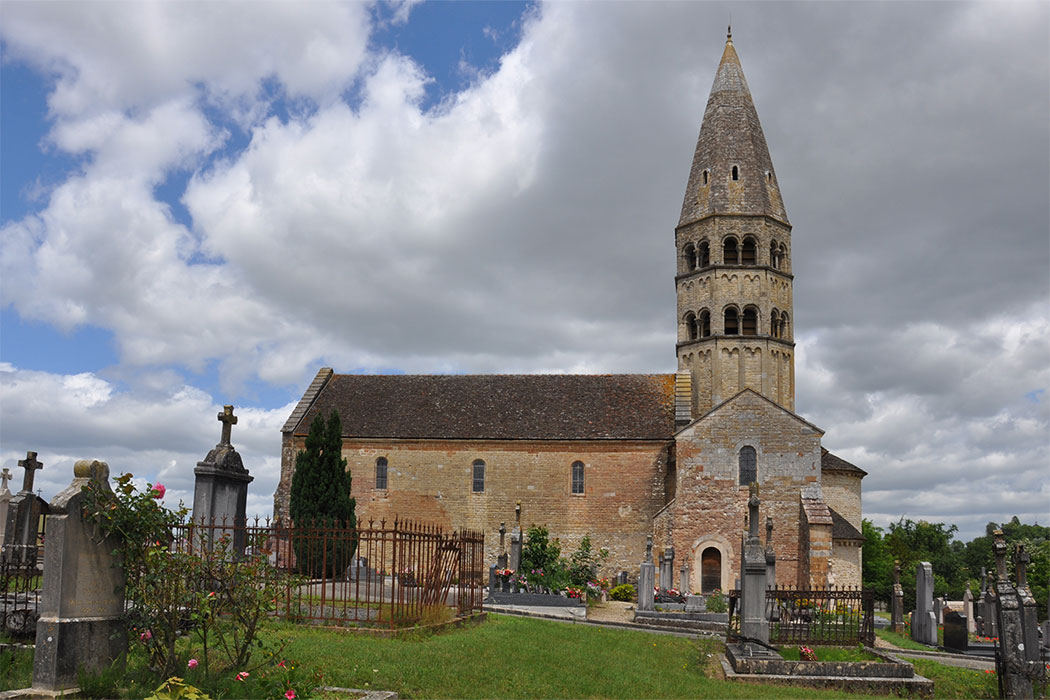

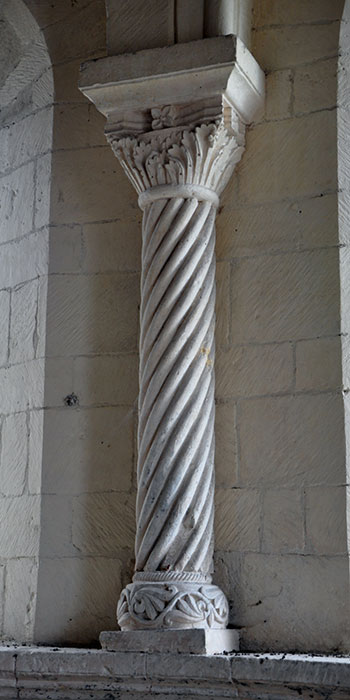
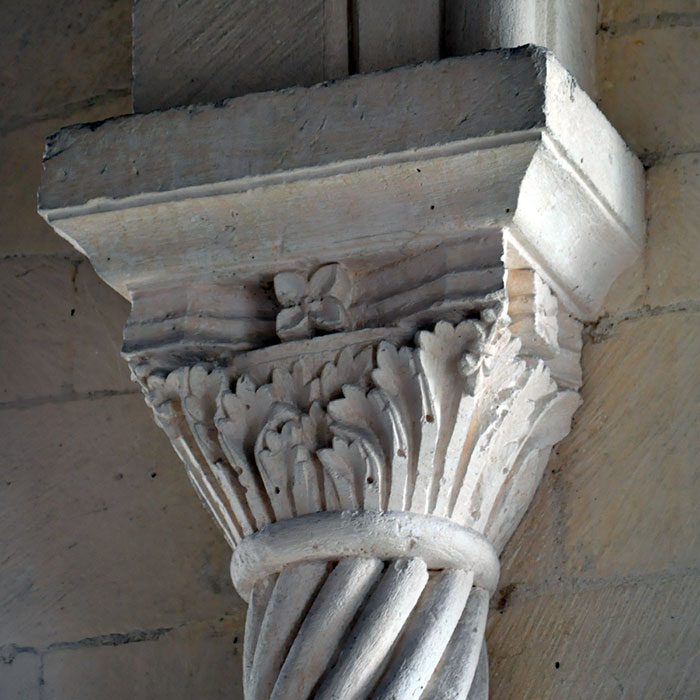
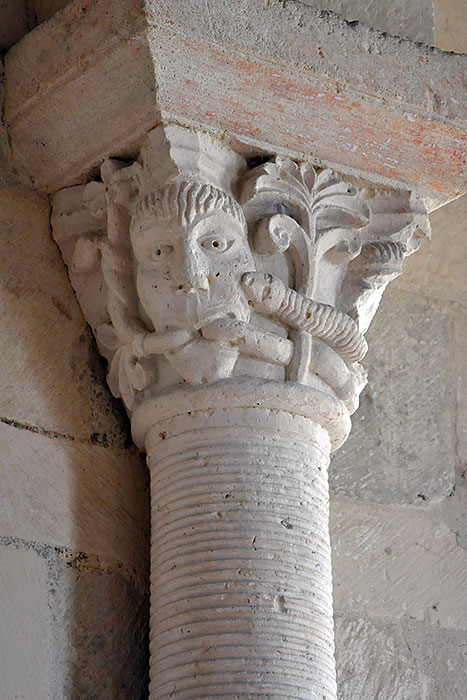
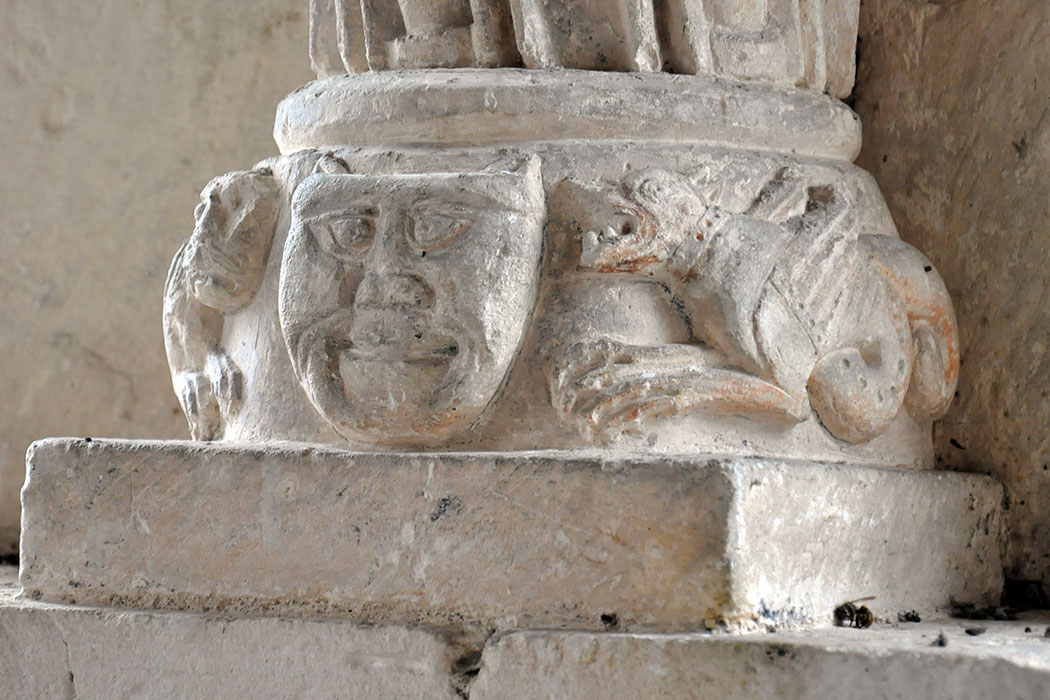
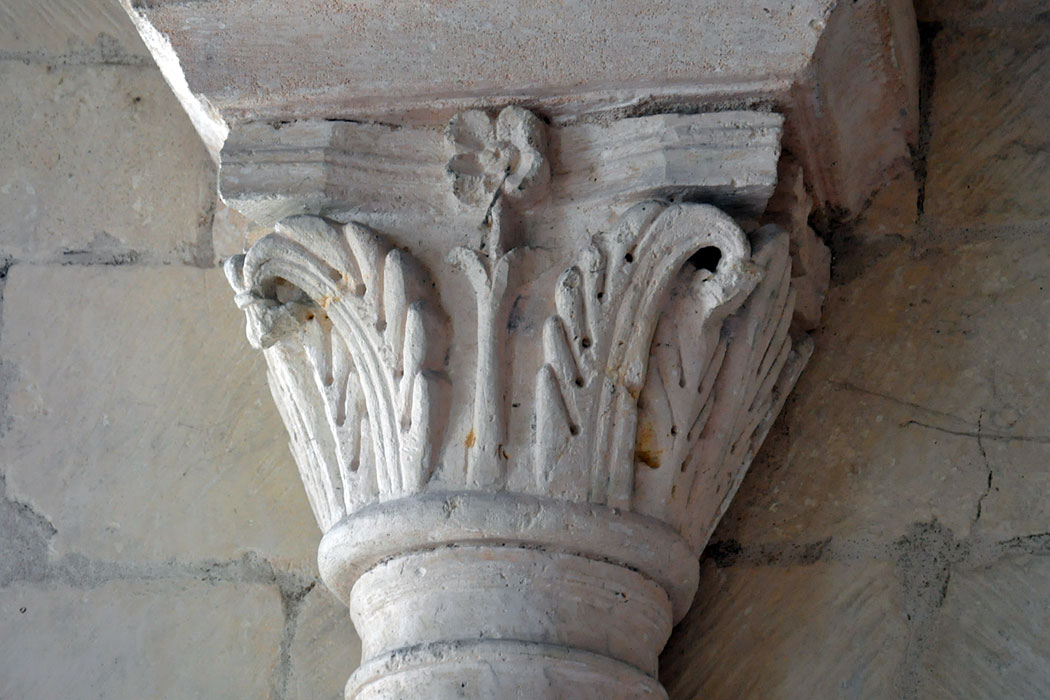
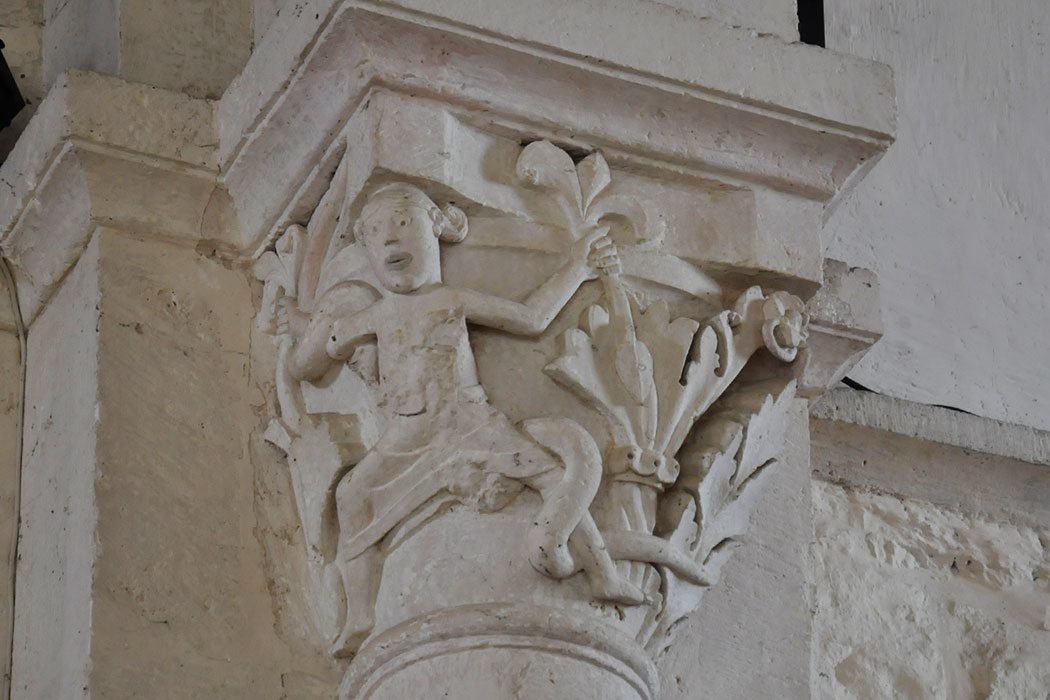
At Saint-André-de-Bâgé there survives a Romanesque church that once belonged to a Benedictine priory dependent on the Abbey of Saint-Philibert de Tournus (Saône-et-Loire), for which some records are known until the second half of the 13th century. Of this building, particular attention should be drawn to its sculptural decoration and to the bell tower.
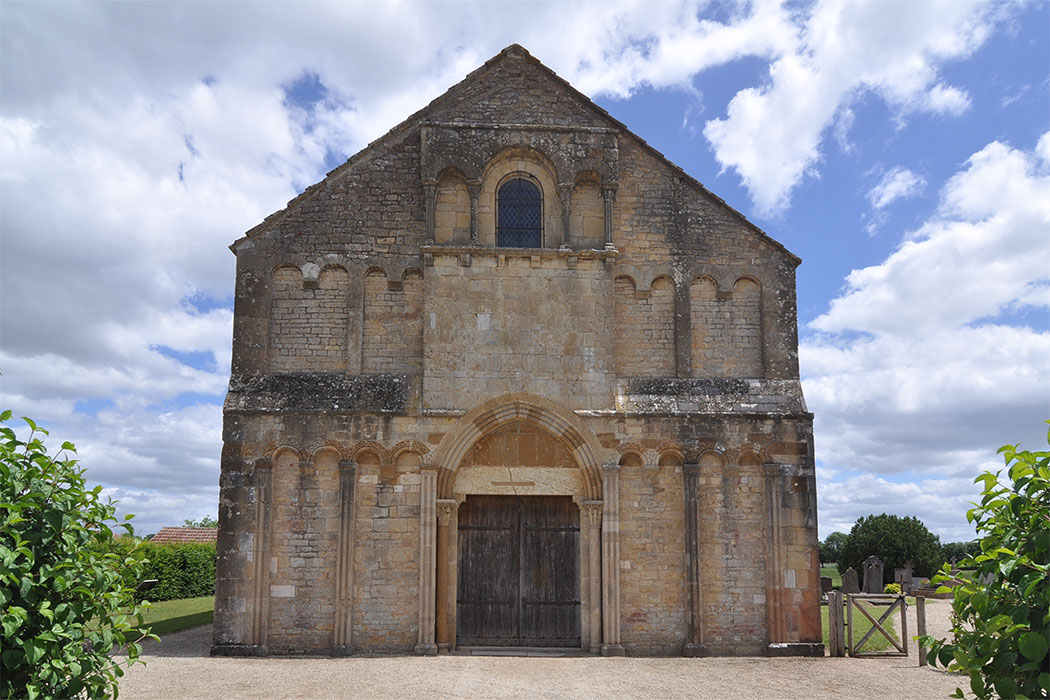
In 1074, Ulrich, lord of Bâgé, with the involvement of Archbishop Humbert of Lyon, donated the chapel of Saint-André to the Abbey of Tournus so that the monks might establish a priory there. Some authors have suggested an origin as early as the 9th century, but the sources are uncertain. During the 12th century, Saint-André-de-Bâgé appears in several confirmations of property granted by different popes to the Abbey of Tournus. It is also known that the priory exercised parochial functions. The last mention of the site as a priory dates from 1269; by that time a new church had already been built at Bâgé, leading to a gradual decline in the importance of Saint-André.
By the 16th century, the priory had already been secularised and the site must have suffered a certain degree of abandonment; a visitation carried out in 1656 reveals that the building was in poor condition. At the beginning of the 18th century its demolition was considered, but in the middle of the same century some repair works were still undertaken. Owing to its precarious state and the absence of worship, the church was not severely affected during the Revolution; it survived, though it was assigned to the Cult of Reason. In the 19th century several restoration campaigns were carried out, and in 1840 the building was listed as a protected monument; the bell tower was also restored at that time.
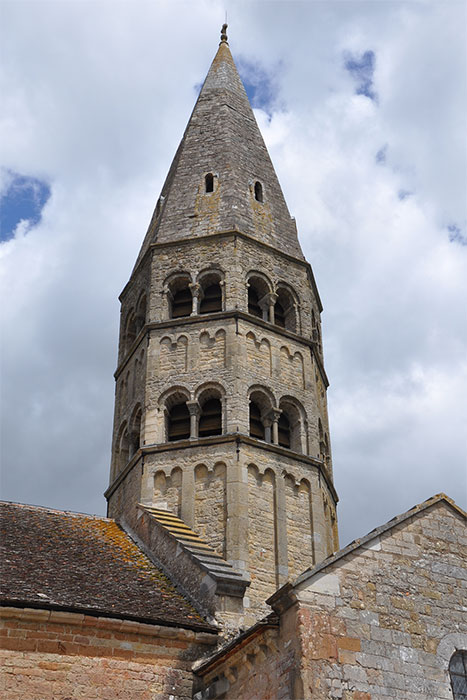
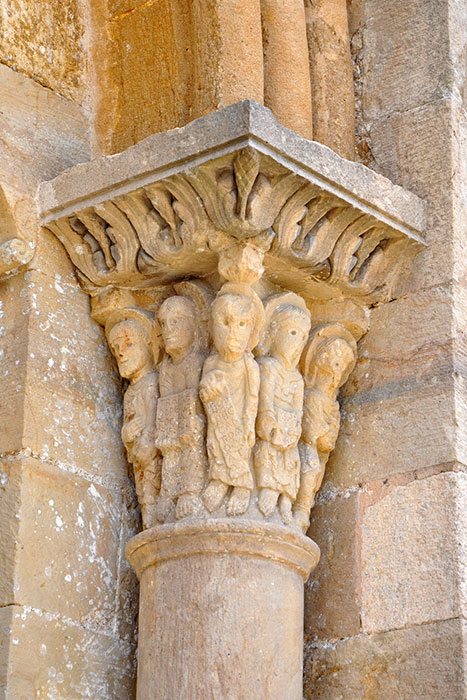
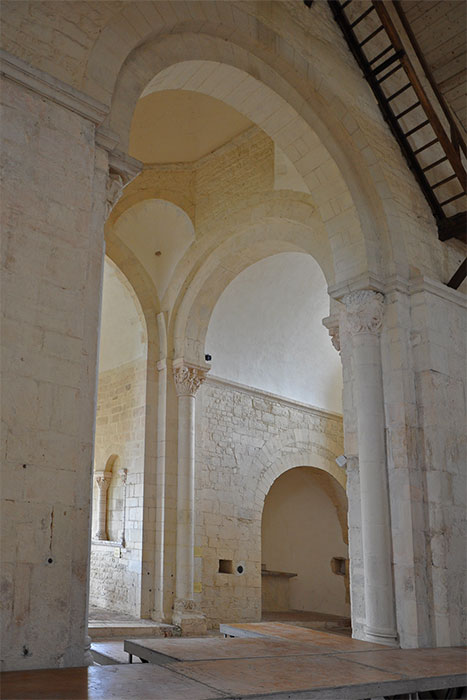
The present church is a Romanesque building that has undergone various modifications over the course of its history. It preserves remains of a 9th-century chapel, probably the one donated by Ulrich to Tournus. A new chancel was added in the 11th century, and in the following century the building was enlarged by the addition of a transept. Sculpted narrative elements from the same period are also preserved. The church has a Latin cross plan, with a single nave and a transept with three semicircular apses. The bell tower, of octagonal plan, is likewise worthy of note.
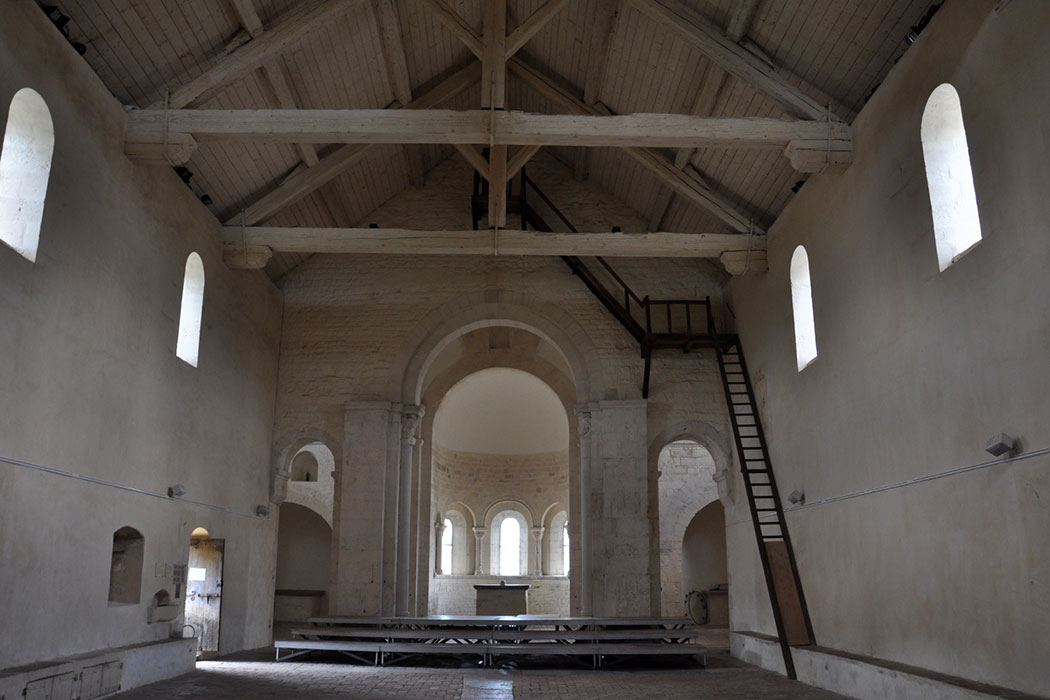
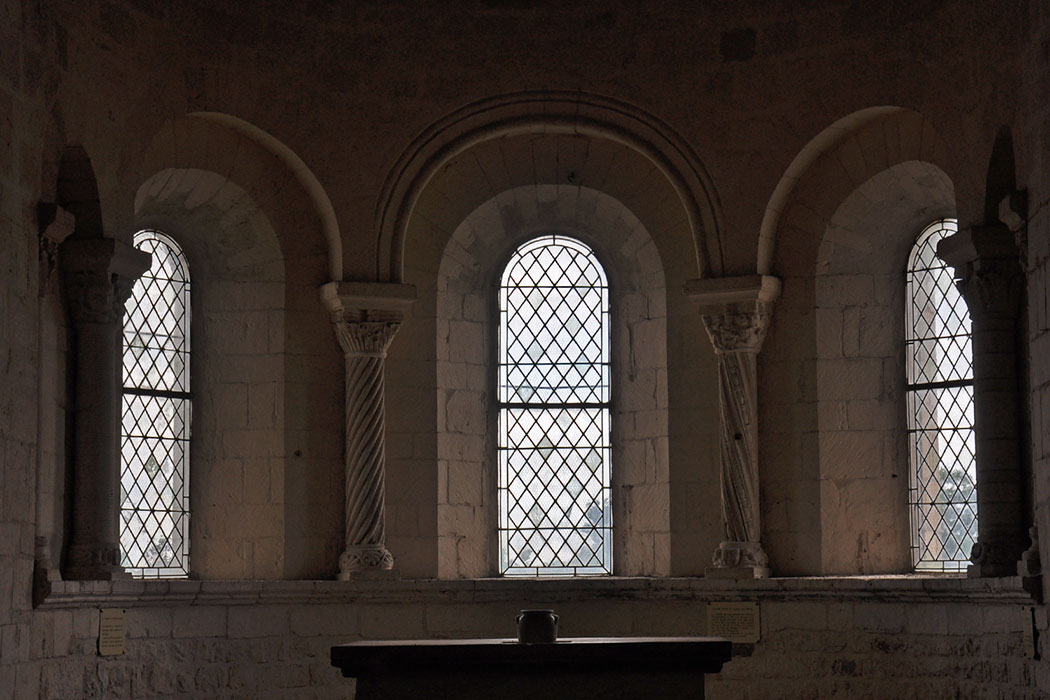
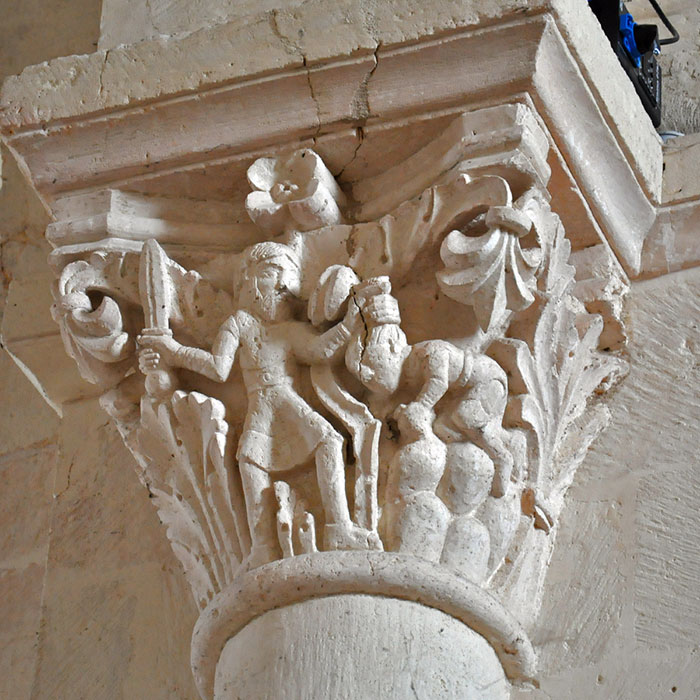
Sacrifice of Isaac
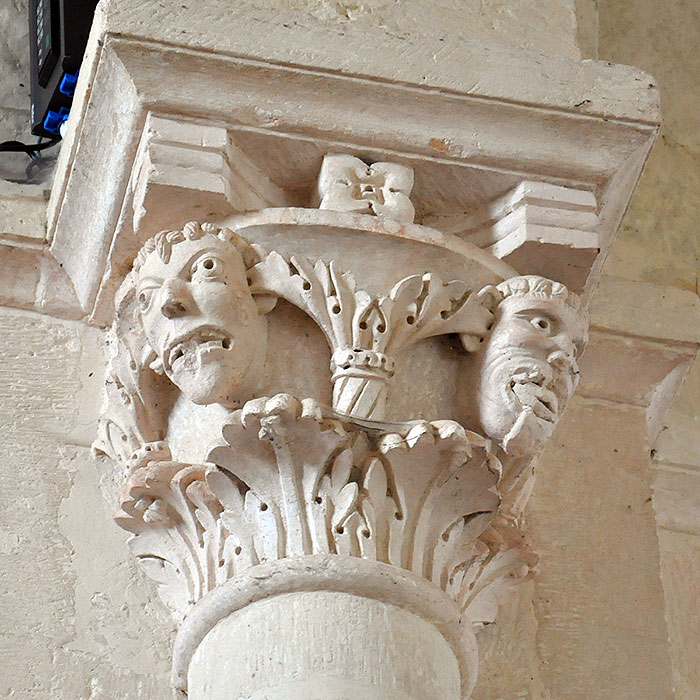
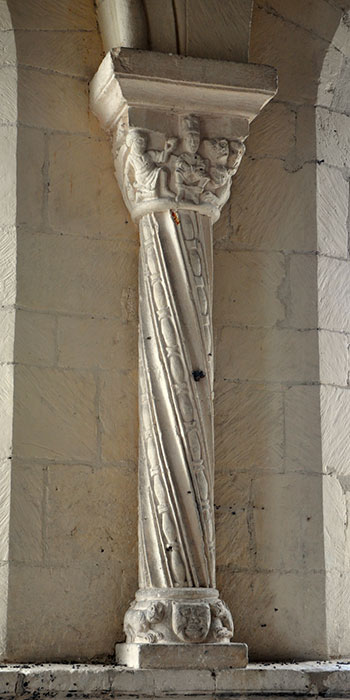
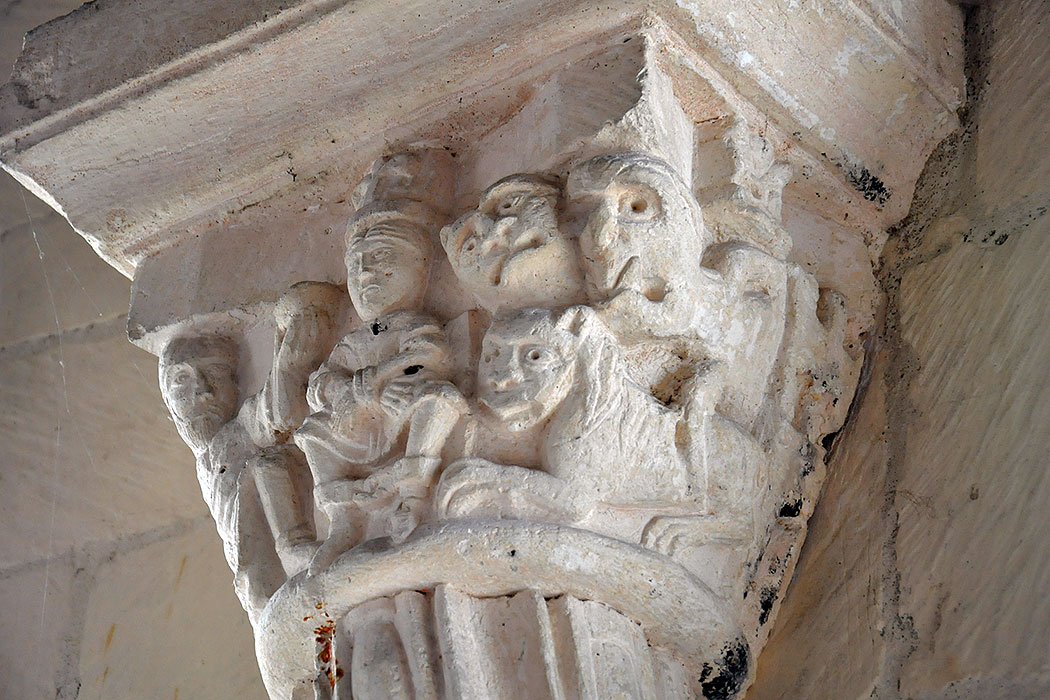
Daniel in the lion's den
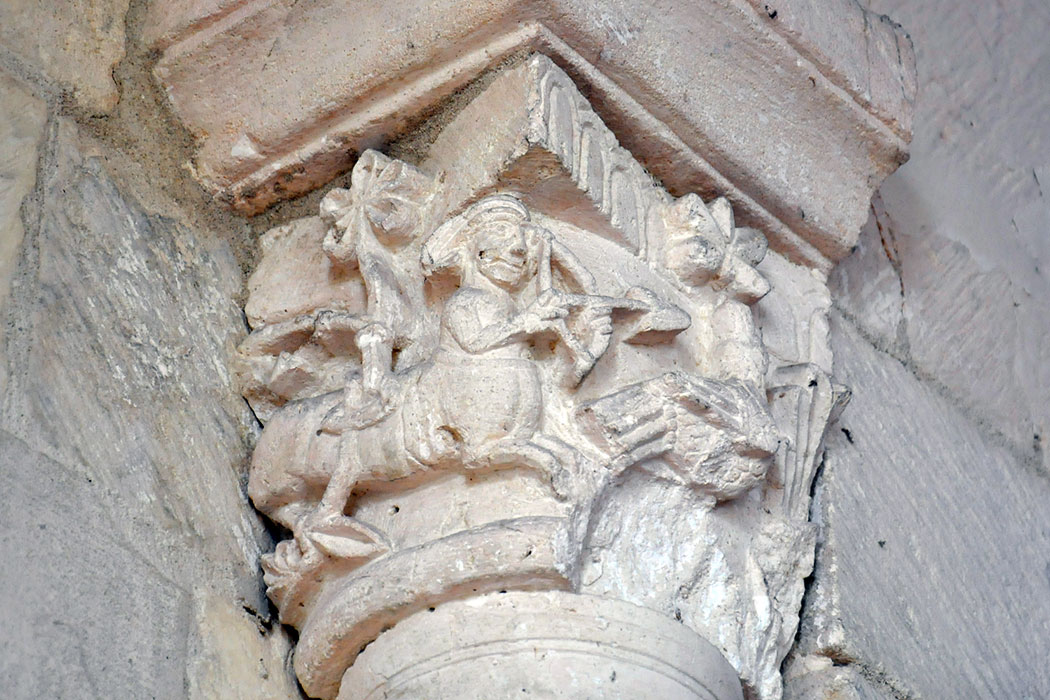
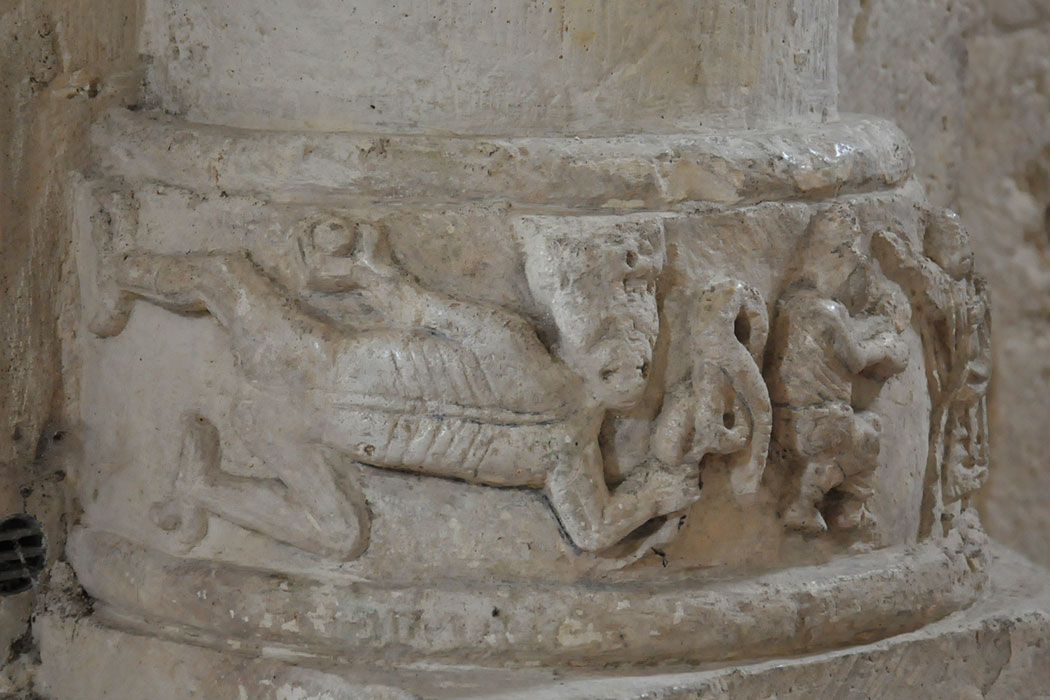
Hunting centaur
- COTTINEAU, Laurent-Henri (1936). Répertoire topo-bibliographique des abbayes et prieurés. Vol. 1. Mâcon: Protat
- MARTIN, Charles (1871). Notice sur l'église romane de Saint-André-de-Bâgé (Ain). Annales de la Société académique d'architecture de Lyon. T. II. Lió: L. Perrin
- MOREL, Jacques (2007). Guide des Abbayes et Prieurés en région Rône-Alpes. Lyon: Autre Vue
- OURSEL, Raymond (1979). Franche-Comté romane. Bresse romane. La nuit des temps, 54. Zodiaque
- REYNAUD, Jean-François; i altres (1995). Saint-André-de-Bâgé. Saint-Philibert de Tournus. Histoire. Archéologie. Art. Tournus: CIER
- VIREY, Jean (1936). Saint-André-de-Bâgé. Congrès archéologique de France, 98 ss. Société française d'archéologie
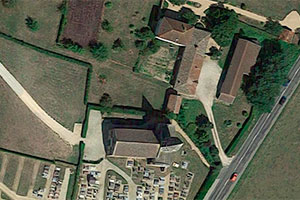
Saint-André-de-Bâgé (Ain) lies to the east of Mâcon. The church, standing in isolation, is situated between this town and Bâgé-le-Châtel; its surroundings are occupied by a cemetery