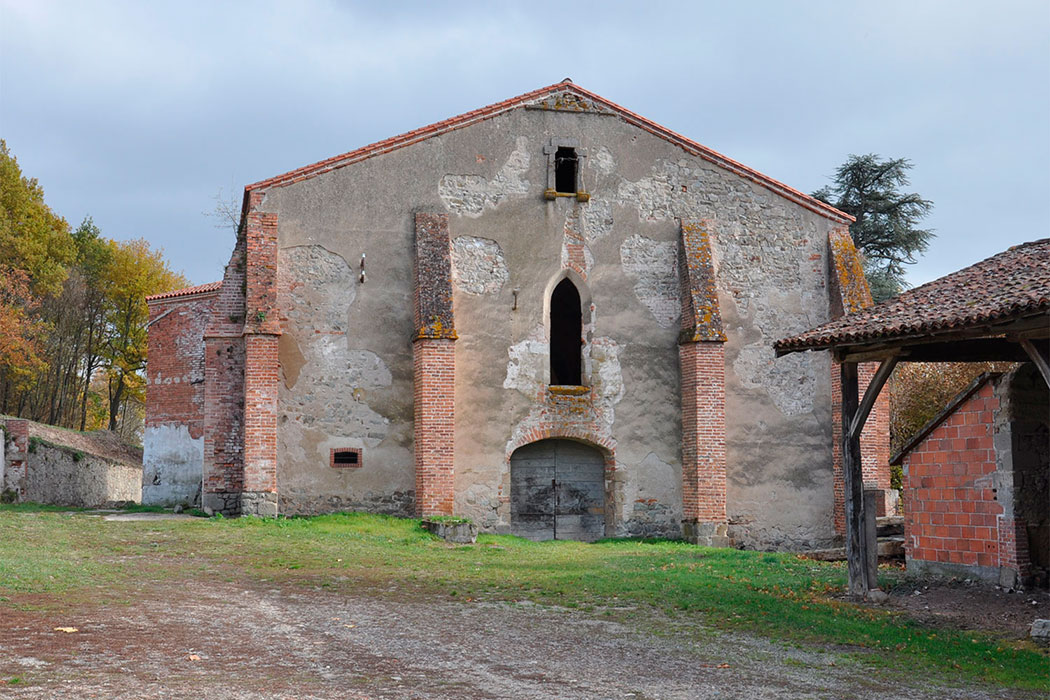

The foundation of the female Cistercian priory of Bonlieu is considered to have taken place in 1199, thanks to the initiative of Guillème, wife of Count Guigues II of Forez (1130–1206). At a later stage, Renaud de Forez, Archbishop of Lyon between 1193 and 1226, intervened in the definitive settlement of the nuns, a role he exercised more as the founders’ son than by virtue of his episcopal authority.
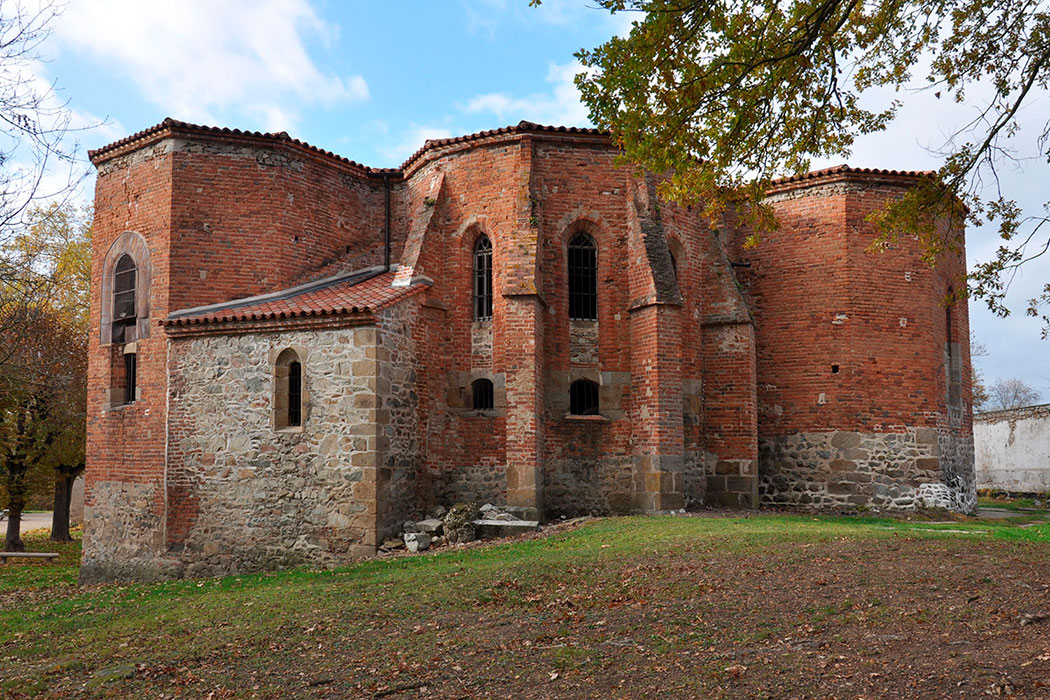
The priory was connected with the Abbey of Bellecombe (Haute-Loire), also a female house and linked to the Abbey of Mazan (Ardèche). It later came to depend on the nearby Abbey of La Bénisson-Dieu (Loire). It received comital protection and its possessions probably derived from that institution. The house enjoyed the privilege of exemption, which released it from episcopal jurisdiction, although this situation led to disagreements and disputes between the institutions concerned. It retained the status of a priory until 1259, when it adopted the title of abbey.
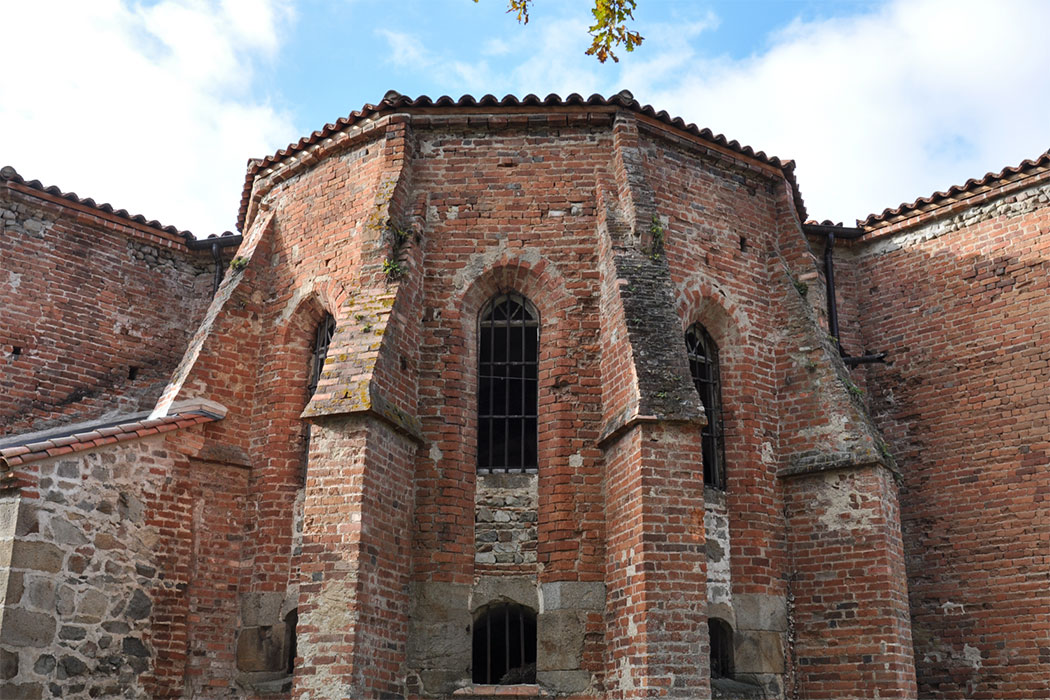
It was a modest house: its properties were scattered throughout the surrounding area and did not reach the extent or value of those held by other comparable foundations. Thanks to the support of the d’Urfé family, a reconstruction of the monastery was carried out around the mid-14th century; the church that survives probably dates from this phase. There is also evidence that in 1463 the monastery was going through a serious crisis in terms of observance, at which time irregularities in the conduct of the nuns of the community were recorded.

Schematic plan of the church
At the beginning of the 17th century, La Bénisson-Dieu came to be occupied by a female community and ceased to supervise Bonlieu, which was placed under the auspices of the Abbey of Clairvaux (Aube). That monastery reformed the site and imposed a new abbess, Marie Anne de Frédevile, appointed in 1610, thereby resolving the problems of observance. In addition, the house was affected by two fires, in 1682 and 1711. After its closure as a result of the Revolution, the site was used for agricultural purposes. Virtually only the church survives.
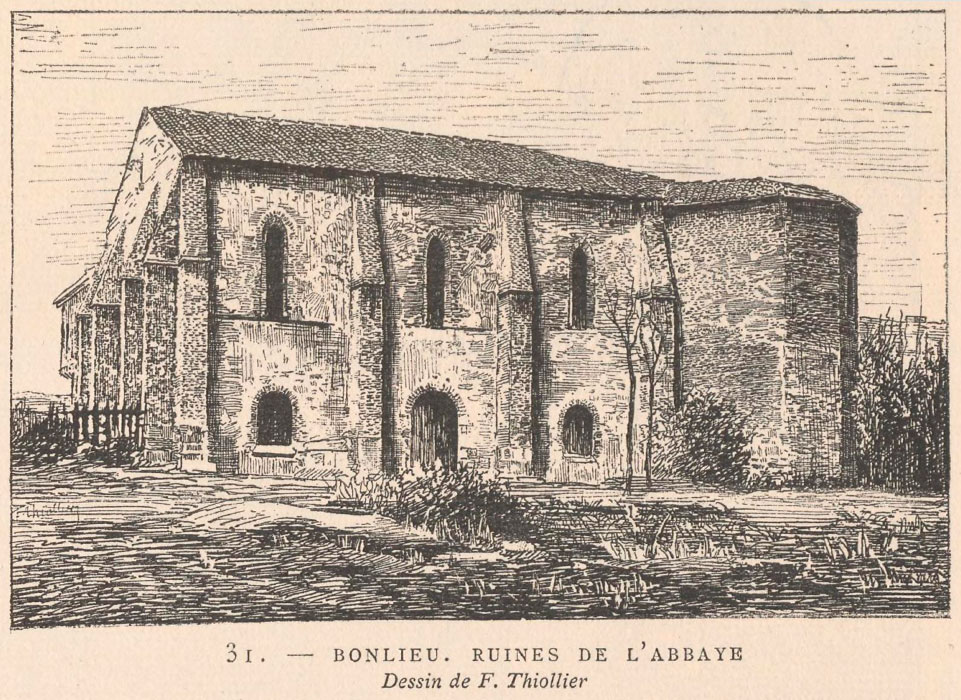
Illustration from Le Forez pittoresque et monumental (1889)
- CANIVEZ, Joseph-Maria; ed. (1937). Statuta Capitulorum Generalium Ordinis Cisterciensis ab anno 1116 ad annum 1786, vol. V. Louvain: Revue d'histoire ecclésiastique
- DU TEMS, Hugues (1775). Le clergé de France, vol. IV. París: Brunet
- PEYRON, Philippe (1999). 650 ans de présence cistercienne en Forez. La Bénisson-Dieu, Valbenoîte et Bonlieu. Bulletin de la Diana, vol. 58/1. Montbrison
- SAINT-MAUR, Congregació de (1725). Gallia Christiana in provincias ecclesiasticas distributa. Vol. 4. París: Typographia Regia

The Abbey of Bonlieu belongs to the commune of Sainte-Agathe-la-Bouteresse, located to the north of Montbrison