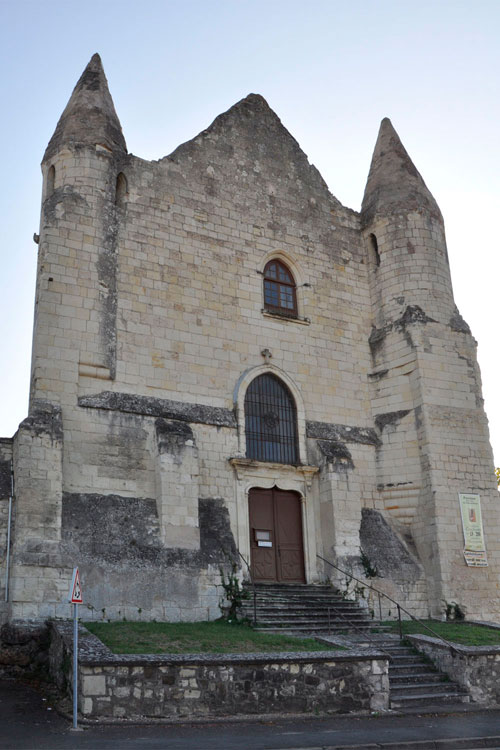
Cellar (13th century)


In 990, Emma of Blois (c. 950-1003), wife of Count William II of Poitiers and Aquitaine (935-994), made a donation to the Abbey of Saint-Pierre de Bourgueil. Traditionally, this act has been regarded as the foundation of the abbey, which would have been established on the site of a modest Benedictine monastery that had existed at least since 977. The countess endowed the house with property and revenues to ensure its maintenance. Emma died in 1003 and was buried in the abbey church.
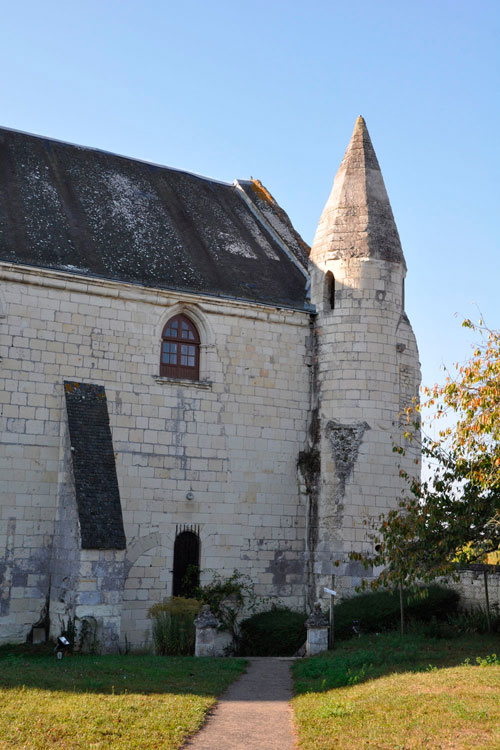
Cellar (13th century)
The first church was blessed in 1001, but, owing to the prosperity of the abbey, it was rebuilt from 1246 onwards. This building was severely damaged by a fire in 1361 during the Hundred Years’ War, and reconstruction began again in 1387; the church was consecrated in 1418, although it later suffered further serious incidents over time (1433, 1562, 1612, 1637...). The rebuilding of the church was never fully completed: only the chancel, with its apsidal chapels, and the transept were finished.
One of the best-known figures associated with the abbey was Baldric of Borgueil (c. 1045-1130), abbot of this monastery between 1089 and 1107, when he left the office to become bishop of Dol. He was a chronicler of his age and, among other works, wrote about the First Crusade and the life of Robert of Arbrissel (c. 1045-c. 1117)), a contemporary of his. The abbey possessed considerable wealth, holding numerous estates and maintaining an extensive network of priories distributed across several dioceses. In 1630, the reform of the Congregation of Saint-Maur was introduced there, and during the eighteenth century the Maurists promoted the construction of new monastic buildings.
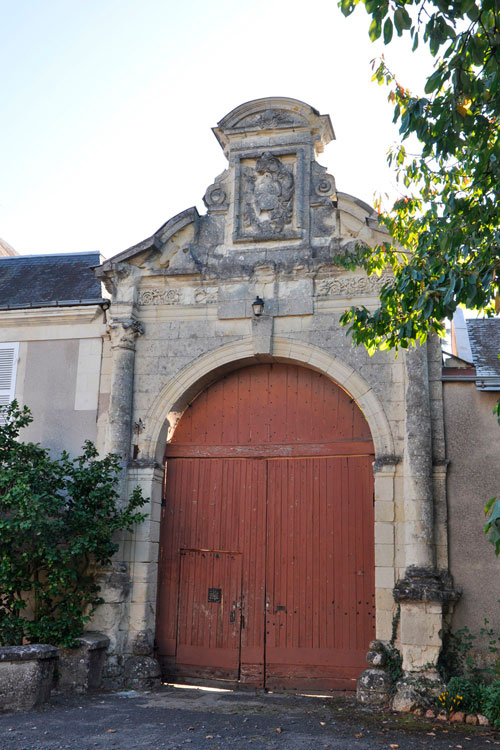
Portal (17th century)
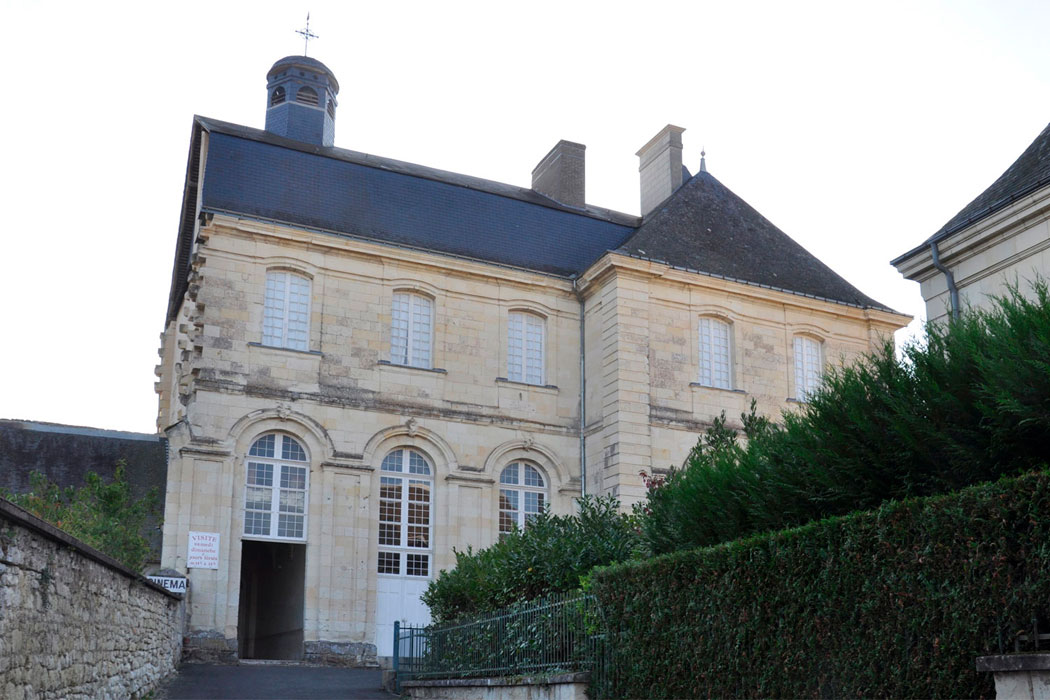
Unfinished outbuildings (18th century)
The monastery survived until the Revolution. In 1791, the site was sold; it later served as a hospital and, by the end of that same century, the church and part of the cloister had already been demolished. From 1828 onwards, the complex was partially occupied by a community of the Ordre des sœurs de Saint-Martin, which left the site in 2016, when it was put up for sale. The monastic buildings and dependencies have been profoundly altered and largely lost. The church has disappeared, although part of the cloister is still preserved. Most of the surviving buildings date from the eighteenth and nineteenth centuries. Among the medieval remains, particular mention should be made of the thirteenth-century cellar, adapted by the female community that occupied the site in more recent times.
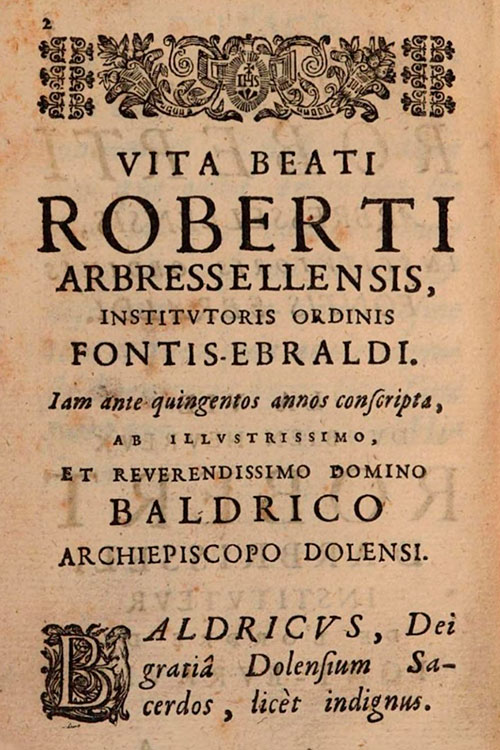
Life of Robert of Arbrissel
Work of Baldric of Bourgueil, abbot of this house
Google Books

According to Armorial général de France (18th century)
Bibliothèque nationale de France
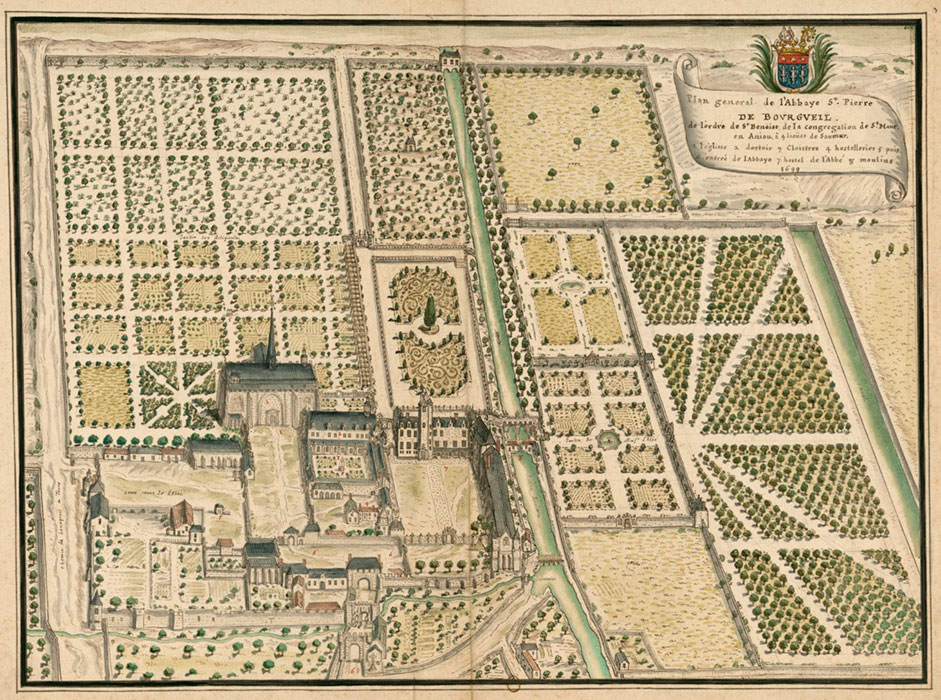
Detail of Plan général de l'abbaye St Pierre de Bourgueil
Louis Boudan, 1699
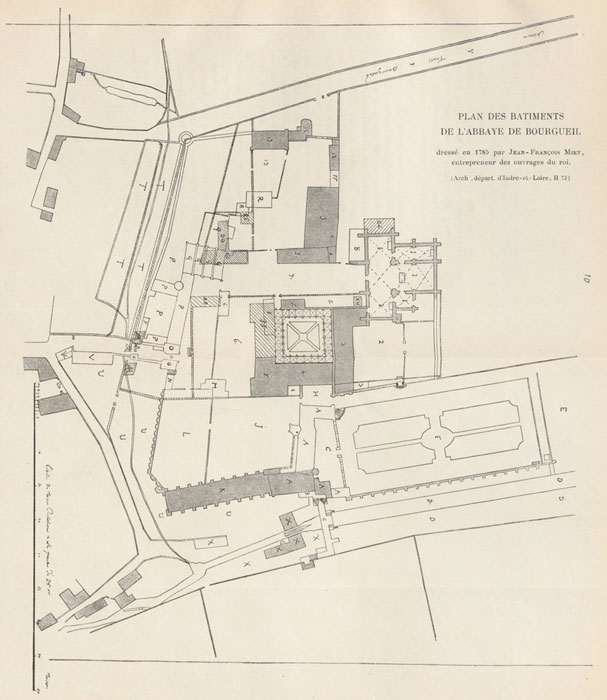
Plan of Bourgueil Abbey before its destruction (1785)
Published in Les anciens bâtiments de l'abbaye de Bourgueil
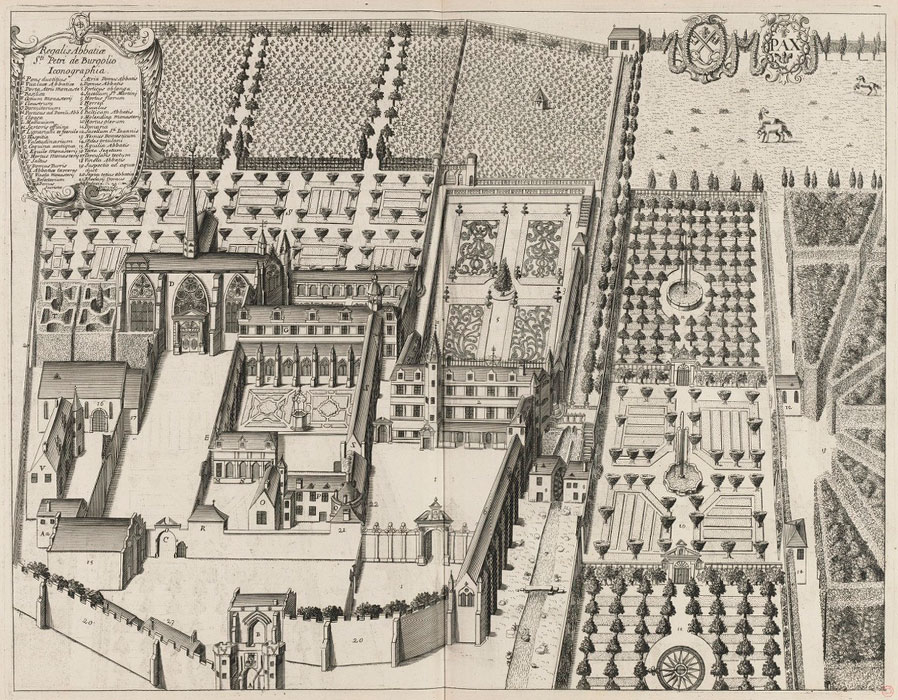
Monasticon Gallicanum
Bibliothèque nationale de France
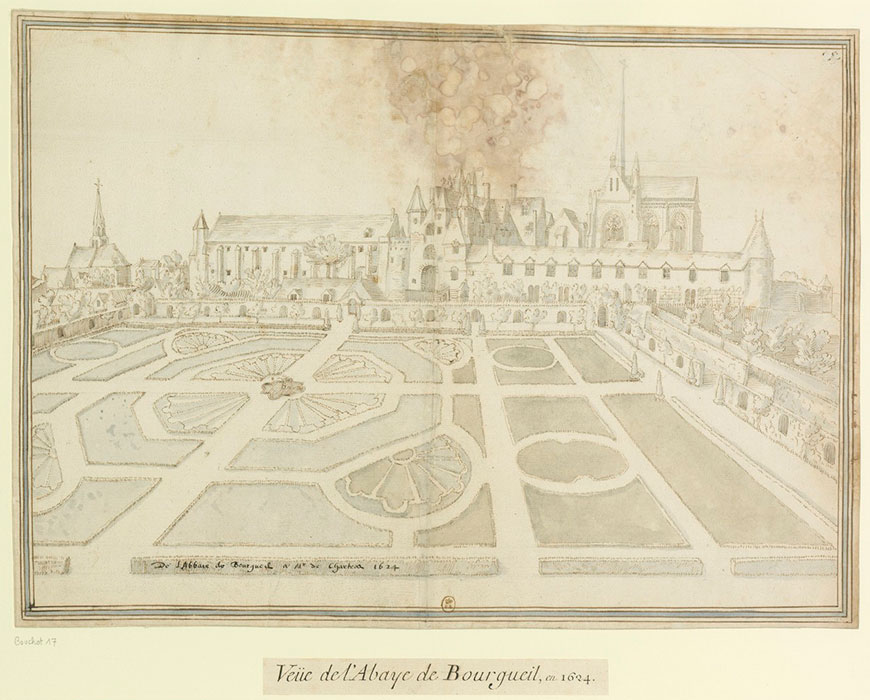
Abbaie de Bourgueil (detail)
Étienne Martellange, (1624)
Bibliothèque nationale de France
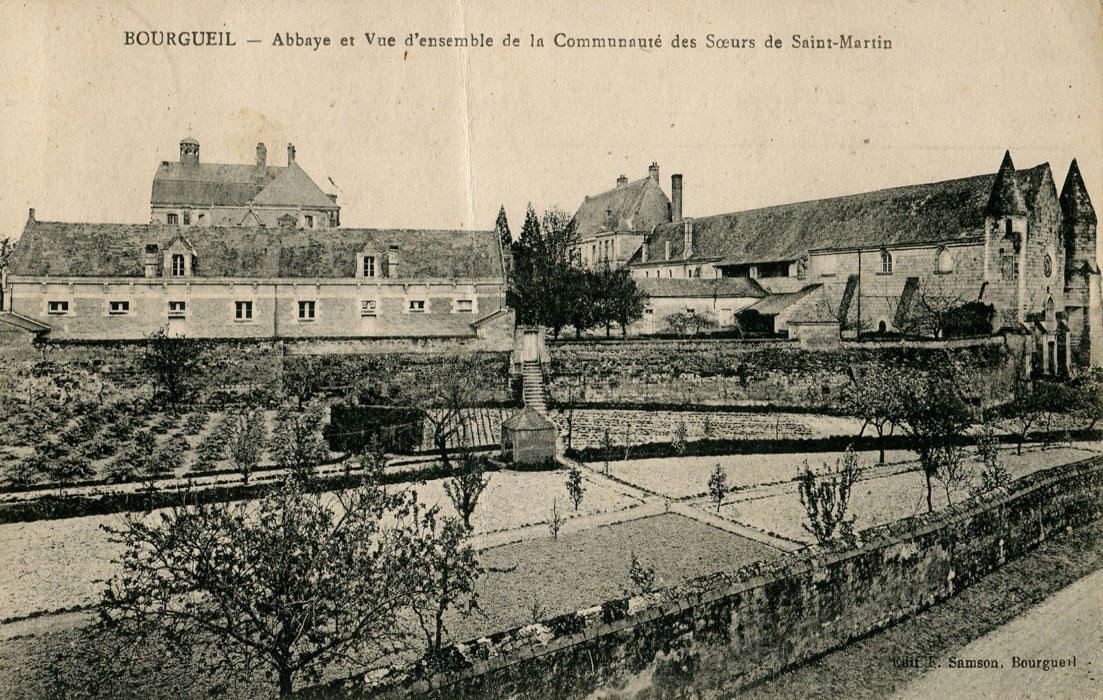
Old postcard, private collection
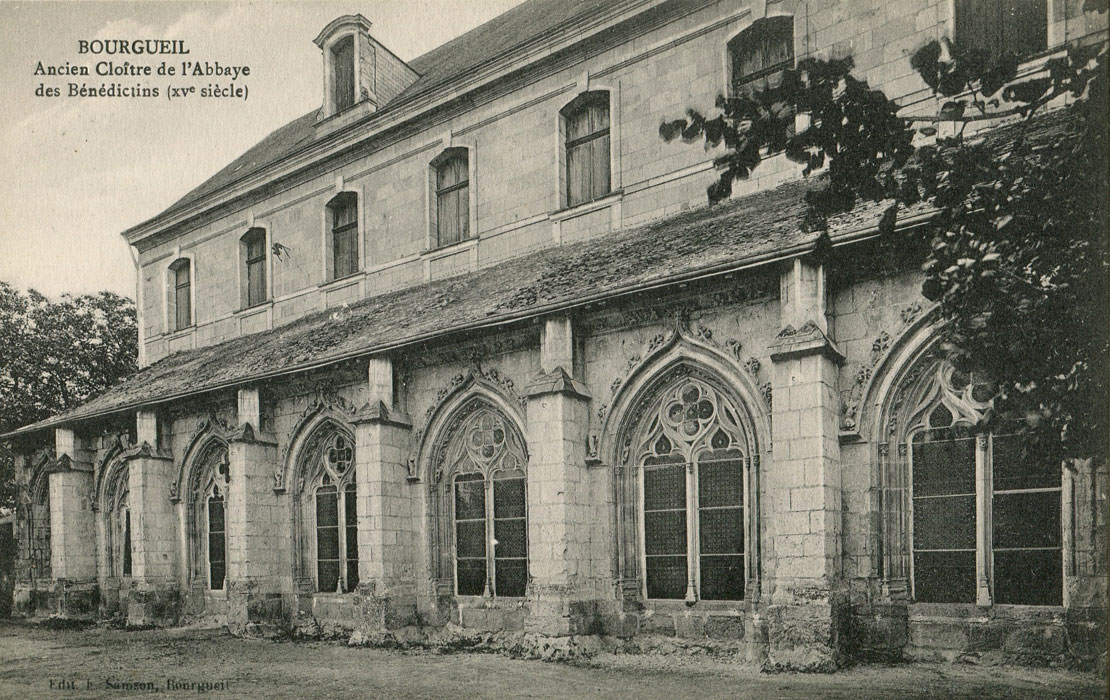
Cloister (15th century)
Old postcard, private collection
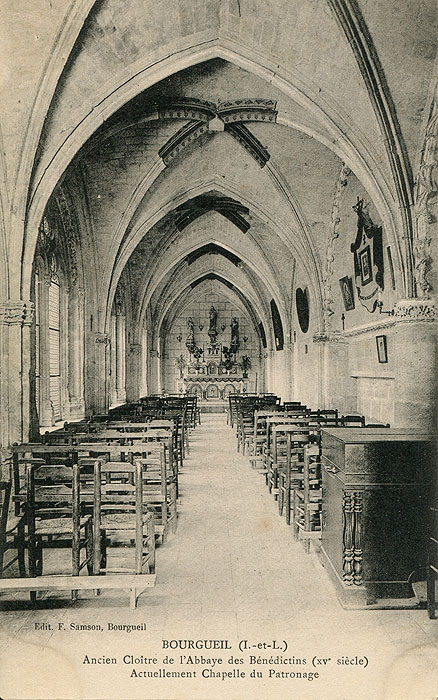
Cloister gallery
Old postcard, private collection
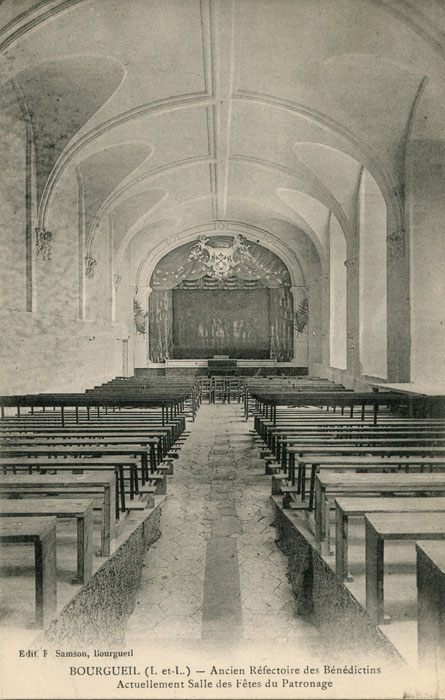
Refectory
Old postcard, private collection
- BESSE, Jean-Martial (1920). Abbayes et prieurés de l'ancienne France, vol. 8, Tours. París : Picard
- CARRÉ DE BUSSEROLLE, Jacques-Xavier (1879). Dictionnaire géographique, historique et biographique d'Indre-et-Loire et de l'ancienne province de Touraine. Vol. II. Tours: Rouillé-Ladevèze
- COULBEAUX-LE HUEROU, Armelle (2007). Hagiographie et politique : l’exemple de Baudri, archevêque de Dol (1107-1130). Atala, núm. 10
- DELAUNAY, Amélie (2003). L'évolution topographique des bâtiments de l'abbaye de Bourgueil, du XIe au XIXe siècle. Bulletin de la Société archéologique de Touraine. T. XLIX. Tours
- GOUPIL DE BOUILLÉ, Jean (1927). Les anciens bâtiments de l'abbaye de Bourgueil. Bulletin de la Société archéologique de Touraine. T. XXIII. Tours: Péricat
- PEIGNÉ-DELACOURT, Achille (1877). Monasticon Gallicanum. Paris: G. Chamerot
- SAINT-MAUR, Congregació de (1856). Gallia Christiana in provincias ecclesiasticas distributa. Vol. 14. París: Typographia Regia
- SEMUR, François-Christian (2011). Abbayes de Touraine. La Crèche: Geste Ed.
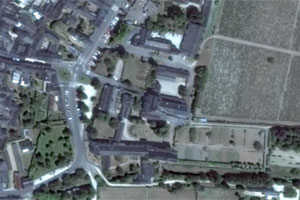
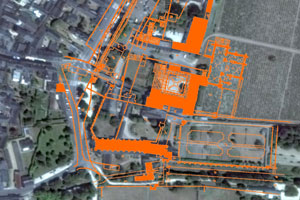
Bourgueil is situated west of Tours, in the Loire valley, between that city and Angers