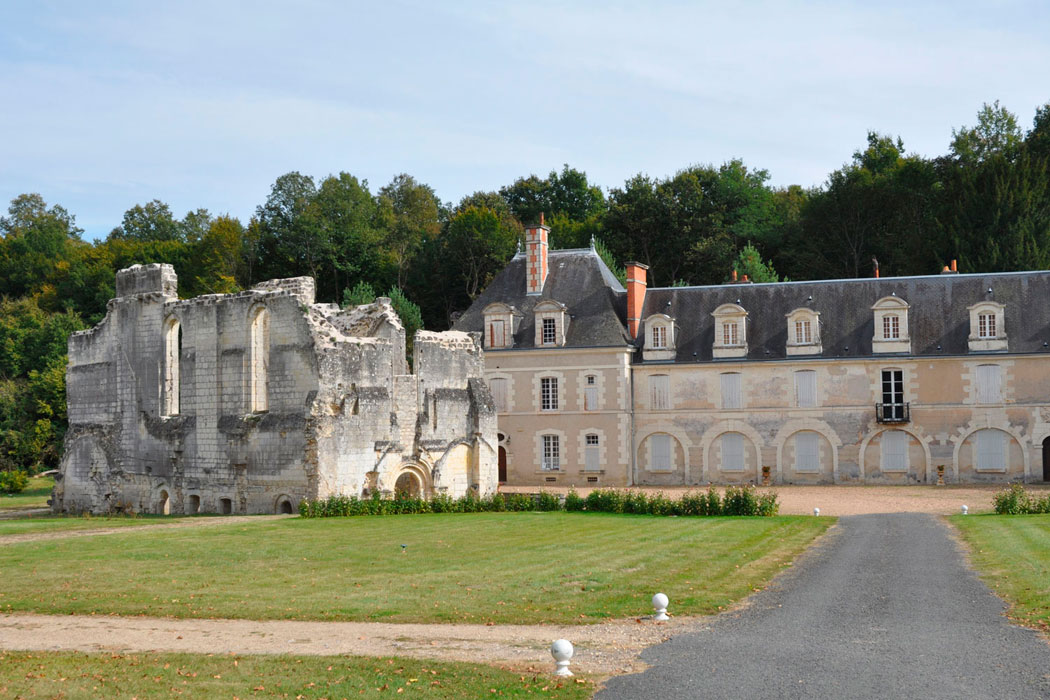

The Charterhouse of Le Liget was founded by the English king Henry II (1133-1189), who also held the titles of Count of Anjou, Maine and Touraine. Traditionally, it is considered that he undertook these foundations because of his involvement in the death of Thomas Becket (1118-1170), his former chancellor, who had become Archbishop of Canterbury.
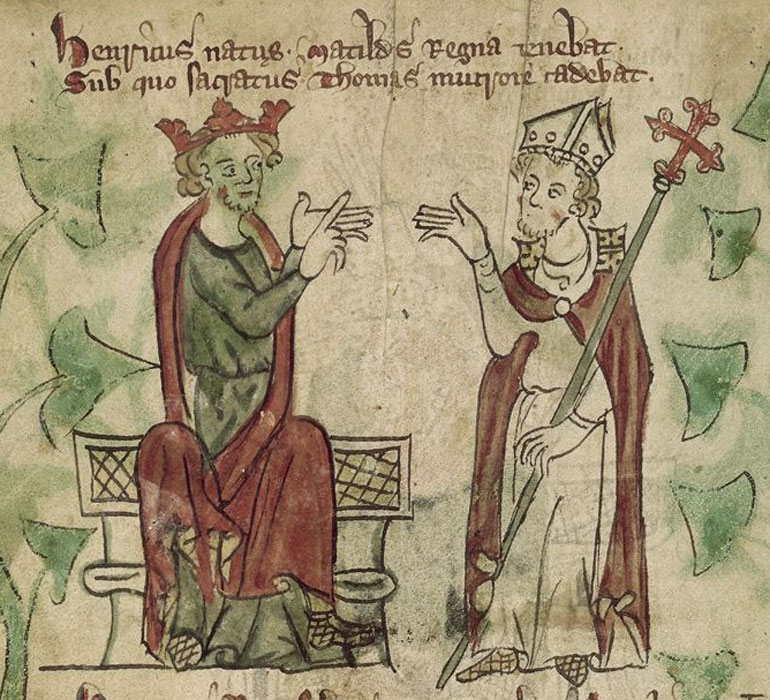
British Library (BL Royal 20 A II, f. 7v)
As an act of penance, he accepted the foundation of three religious houses: Waltham Abbey (East of England), the Charterhouse of Witham (South West England), and that of Le Liget. The lands intended for the new house belonged to the abbey of Villeloin (Indre-et-Loire), and Henry II purchased them from the Benedictines in a transaction carried out between 1176 and 1183. However, the site was already occupied by the first Carthusians, who may have settled there around 1153. The church of Saint-Jean du Liget, situated a few hundred metres to the south-west, may date from that early period.
The foundation is generally dated to 1178, when construction of the charterhouse is believed to have begun. The first church, of medieval origin, was probably consecrated before Henry II's death. Le Liget developed thanks to royal support, especially that of Charles V of France (1337-1380), who, during the second half of the fourteenth century, sponsored the construction of thirteen new cells after permission had been granted to increase the number of Carthusians to twenty-five. The Hundred Years' War does not appear to have directly affected the community, but during the French Wars of Religion the charterhouse was occupied and plundered by the Huguenots. In 1562 the monks were forced to flee, and in 1589 they suffered a new occupation, during which the monastic archives were lost. In 1596 the complex was fortified and, during the eighteenth century, it underwent a general reconstruction.
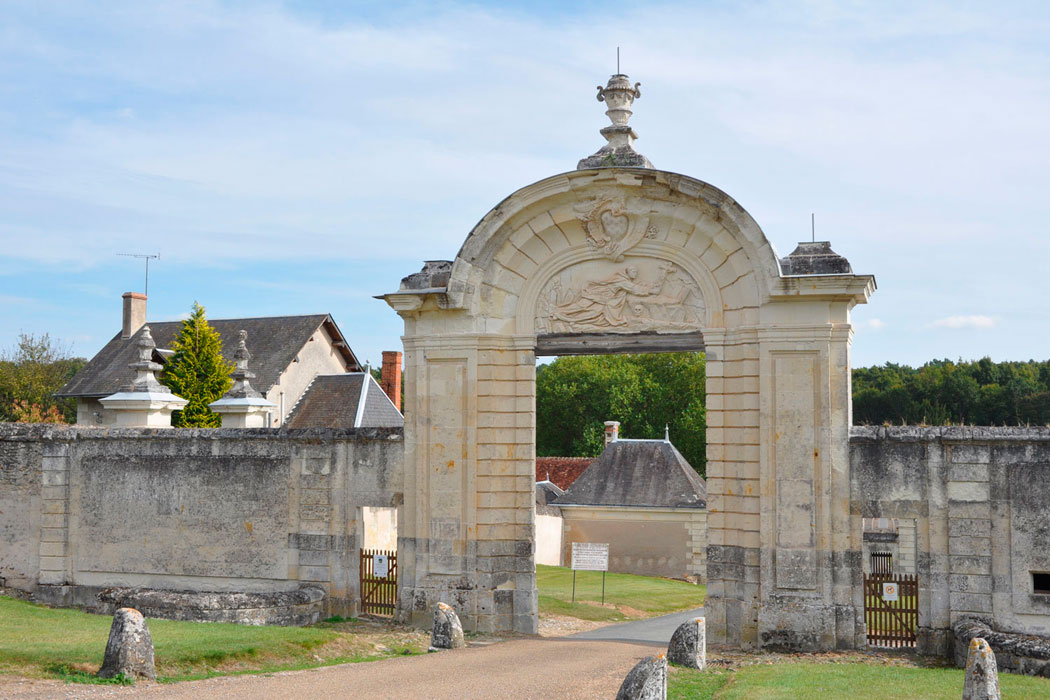
Entrance to the Charterhouse grounds
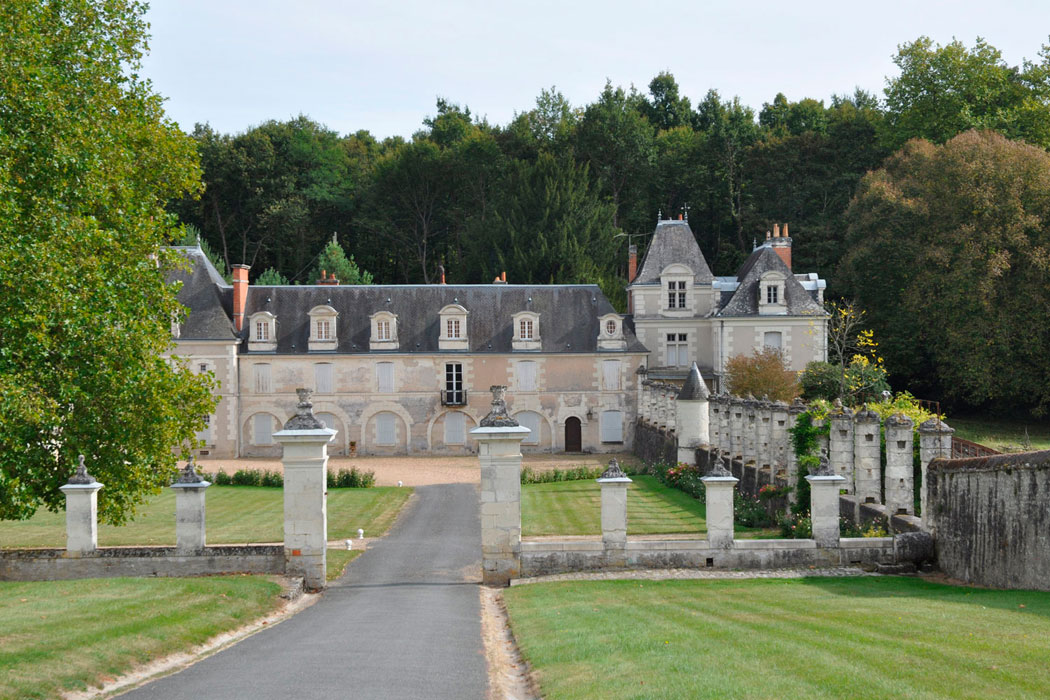
The Carthusians remained at Le Liget until the French Revolution. In 1791 the community was forced to leave the charterhouse and, shortly afterwards, its demolition began. During the nineteenth century the surviving remains started to be appreciated by their owners and were later protected as historic monuments. In addition to several eighteenth-century buildings, the charterhouse preserves the ruins of its medieval church, built in the twelfth century.
Not far from the monastery stands the correrie (Corroirie), a characteristic feature of Carthusian houses, separated from the monastic enclosure and devoted to the administration and agricultural exploitation of the estate. This site escaped destruction and still preserves much of its remarkable medieval fabric. In another isolated location stands the church of Saint-Jean du Liget, linked to the earliest period of the foundation.
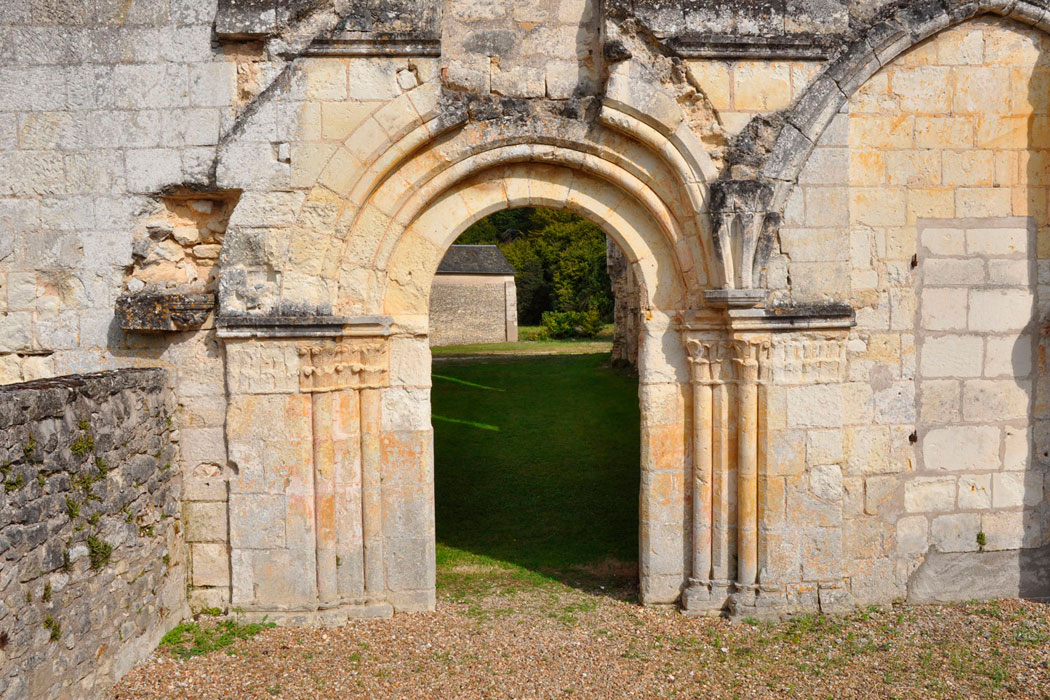
Medieval church
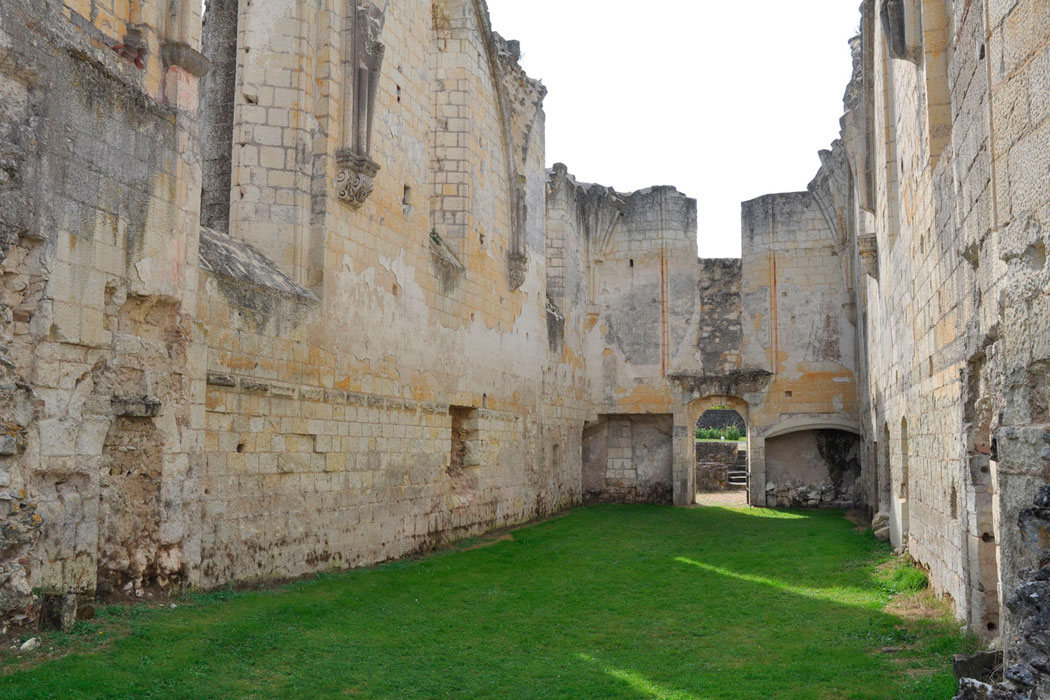
Medieval church
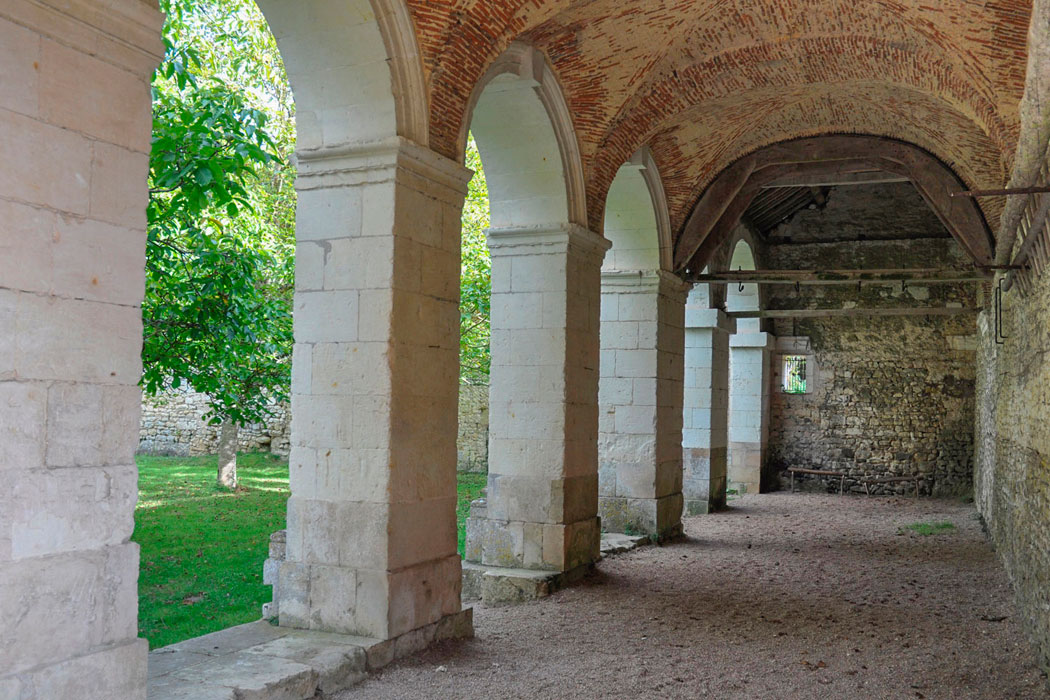
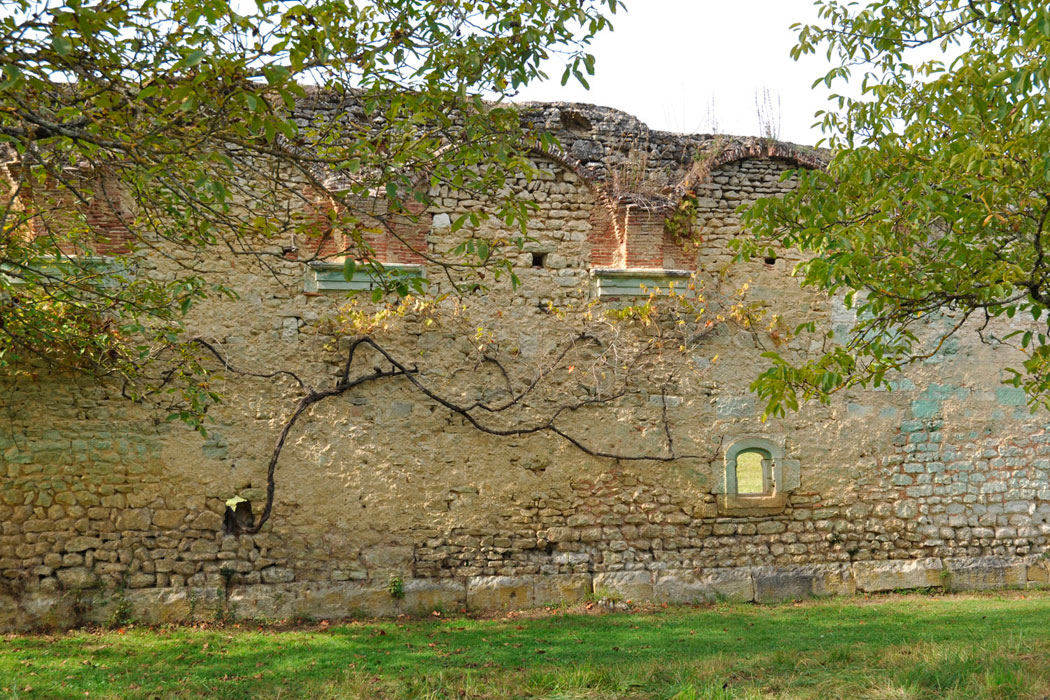
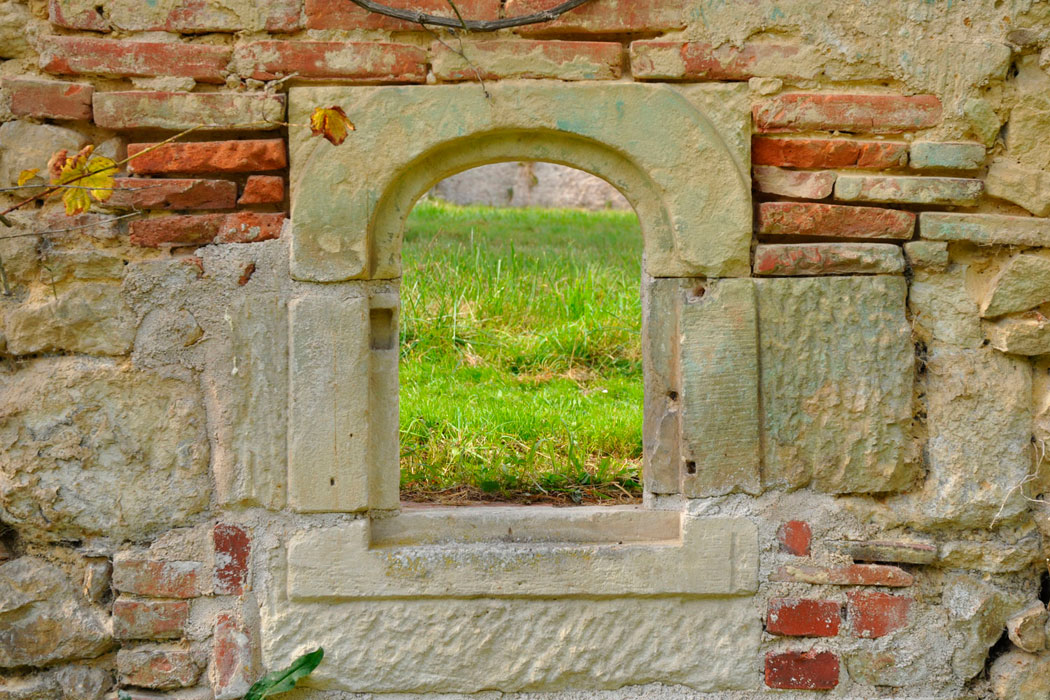
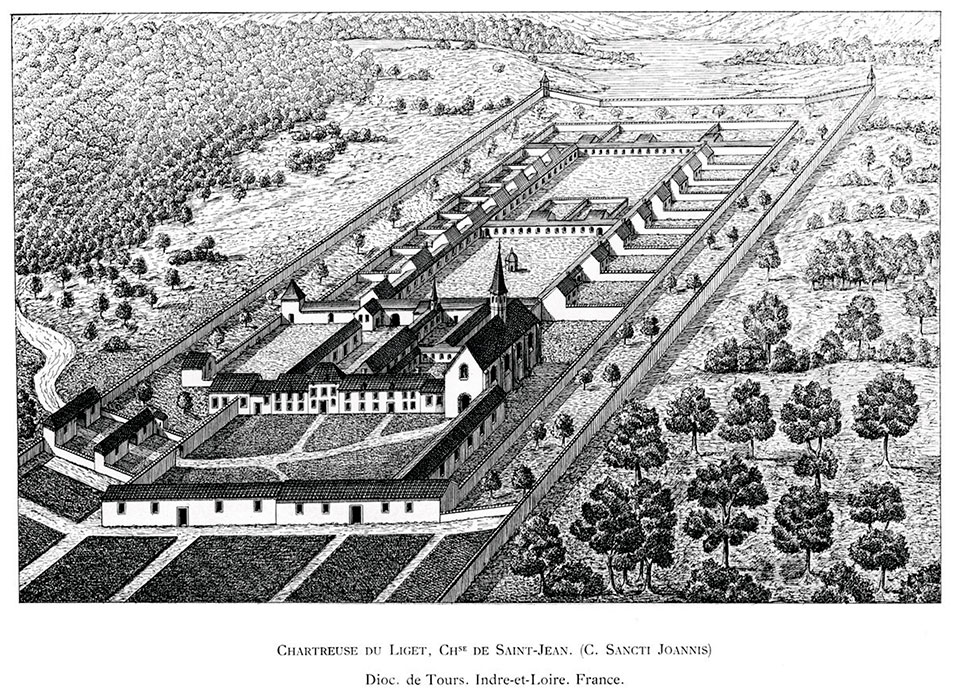
Illustration from Maisons de l'ordre des Chartreux (1913)
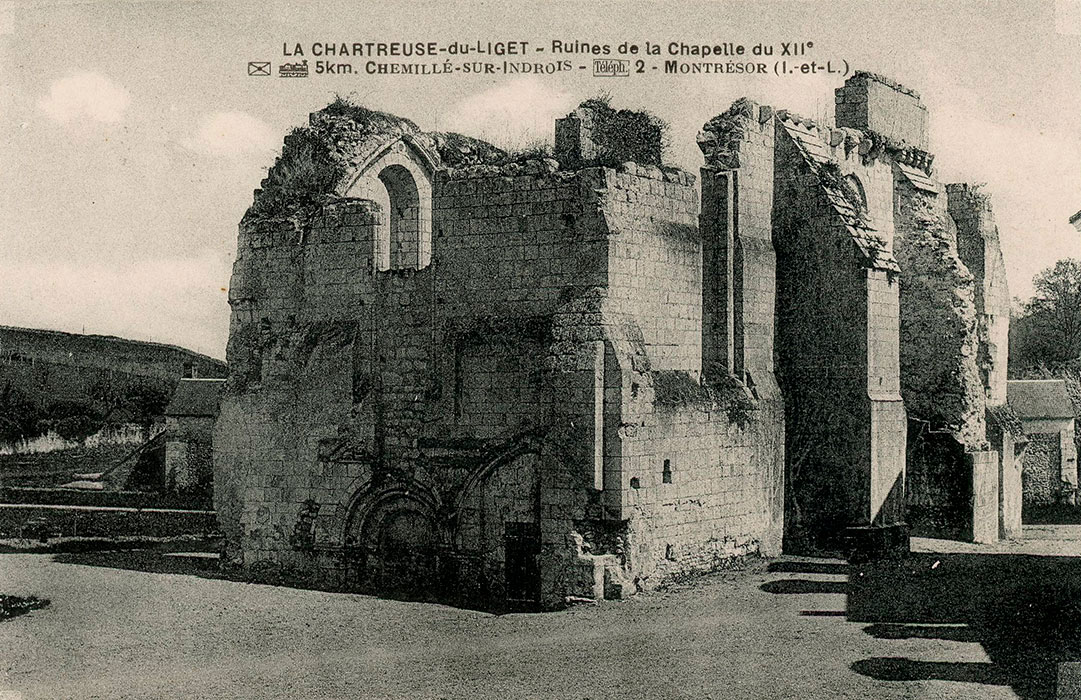
Old postcard, private collection
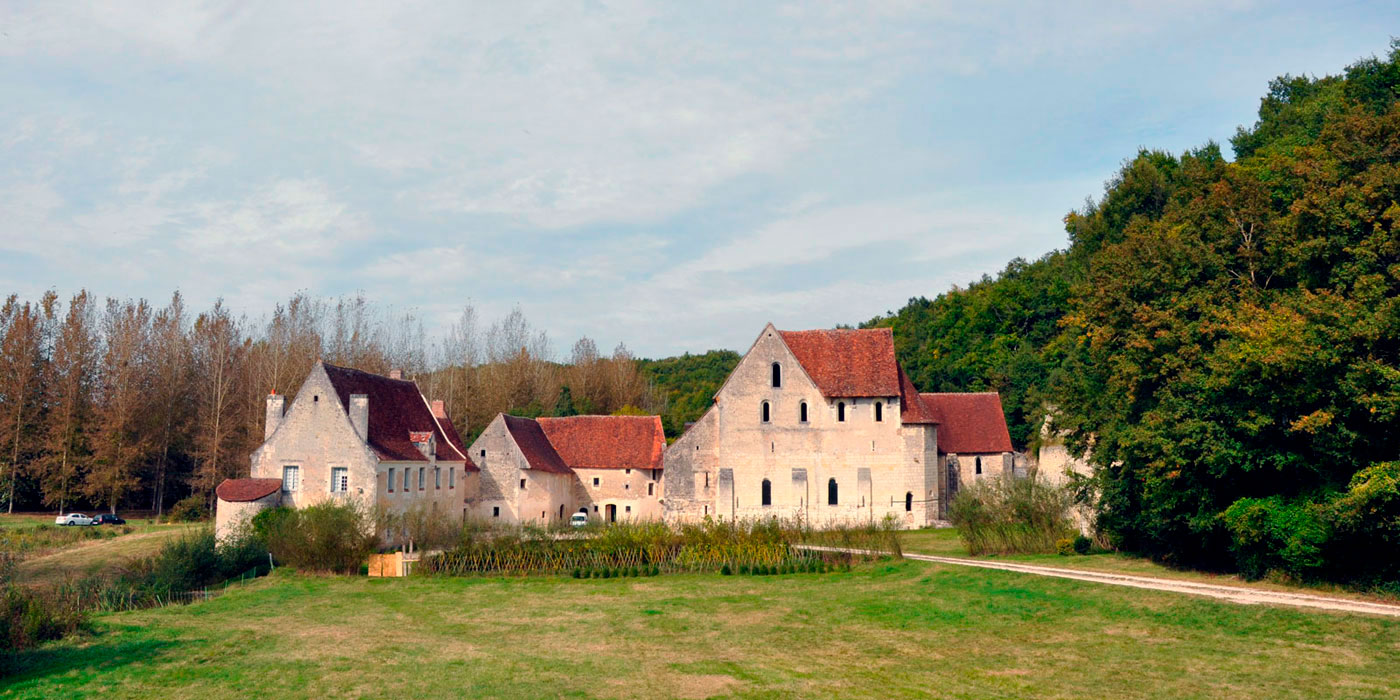
Corroirie
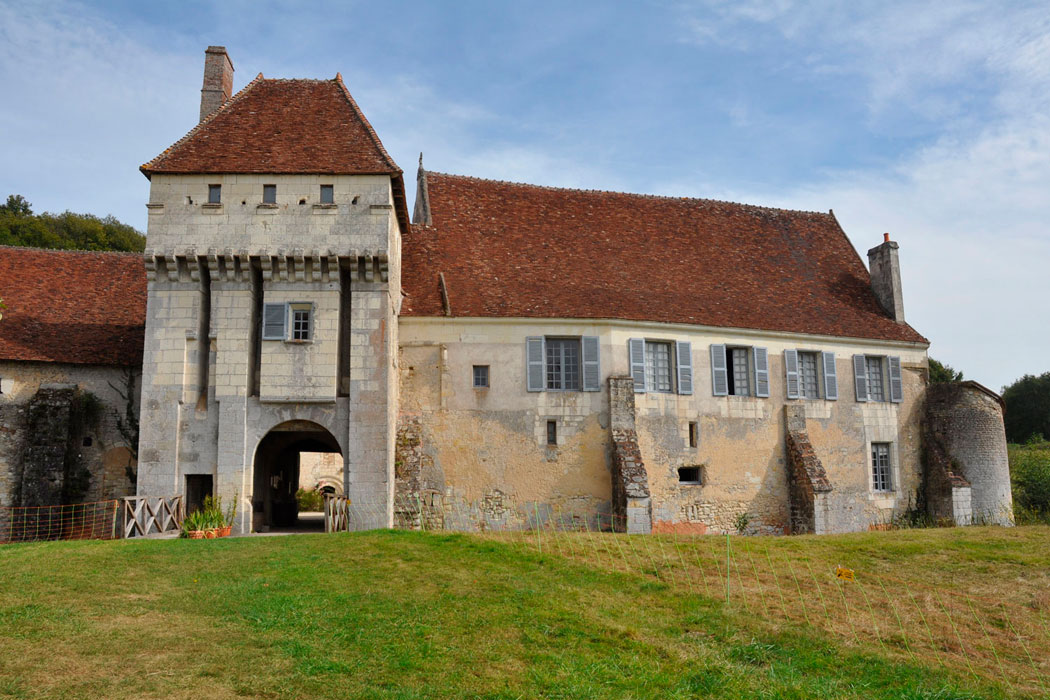
Corroirie
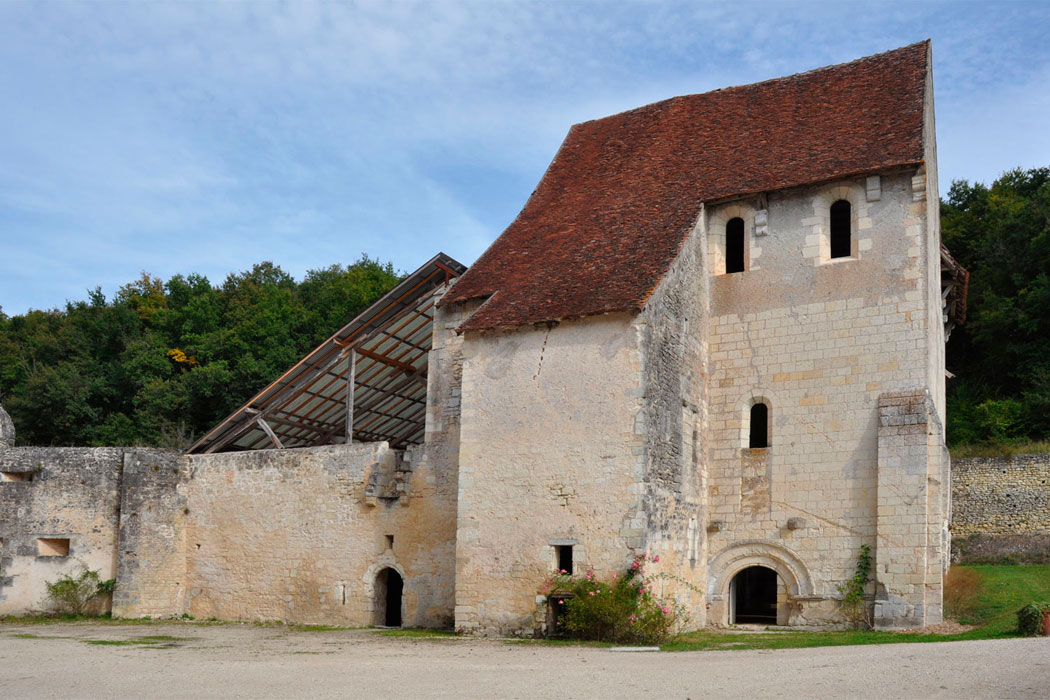
Corroirie
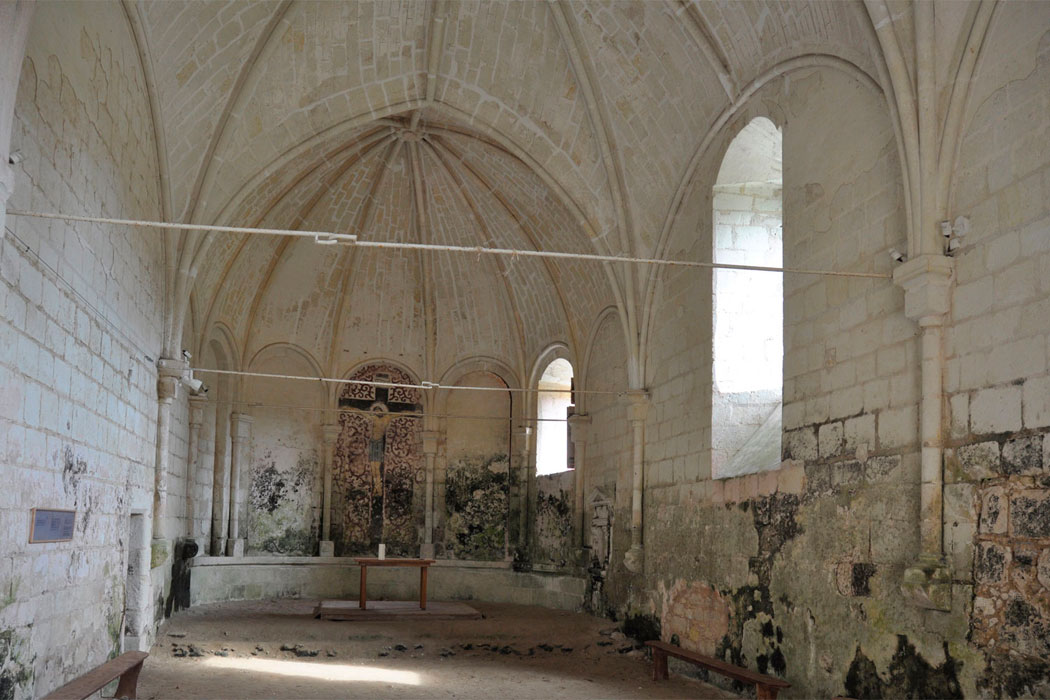
Chapel of the Corroirie
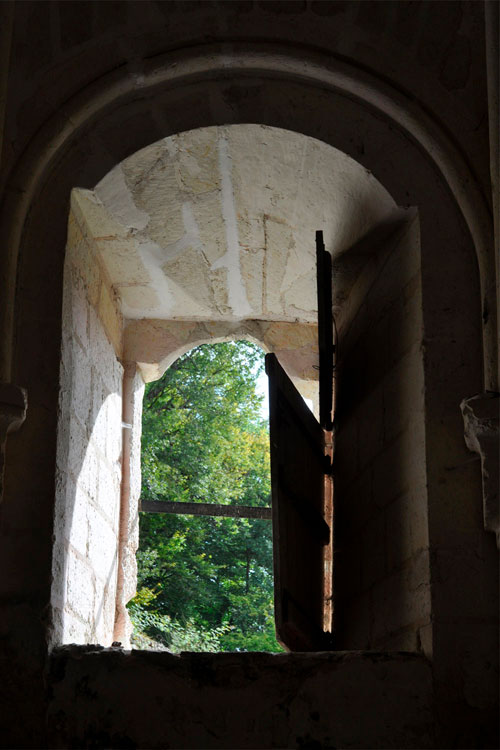
Corroirie
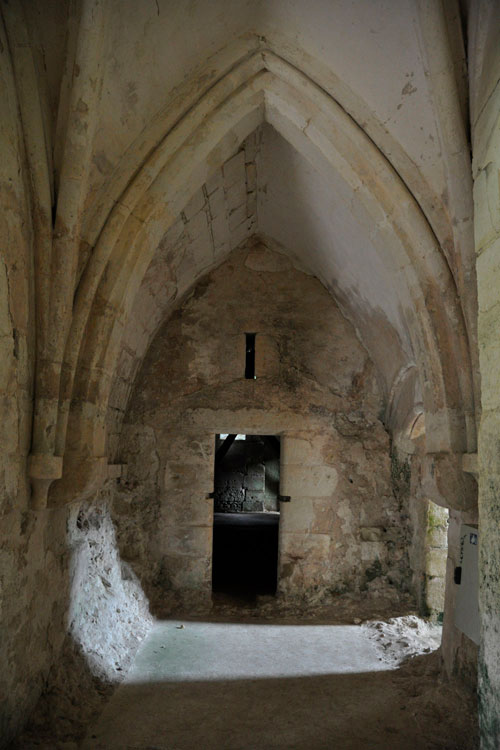
Corroirie
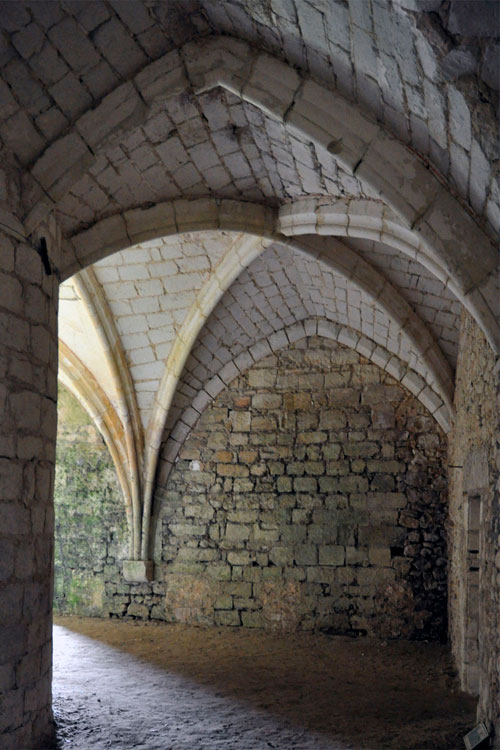
Corroirie
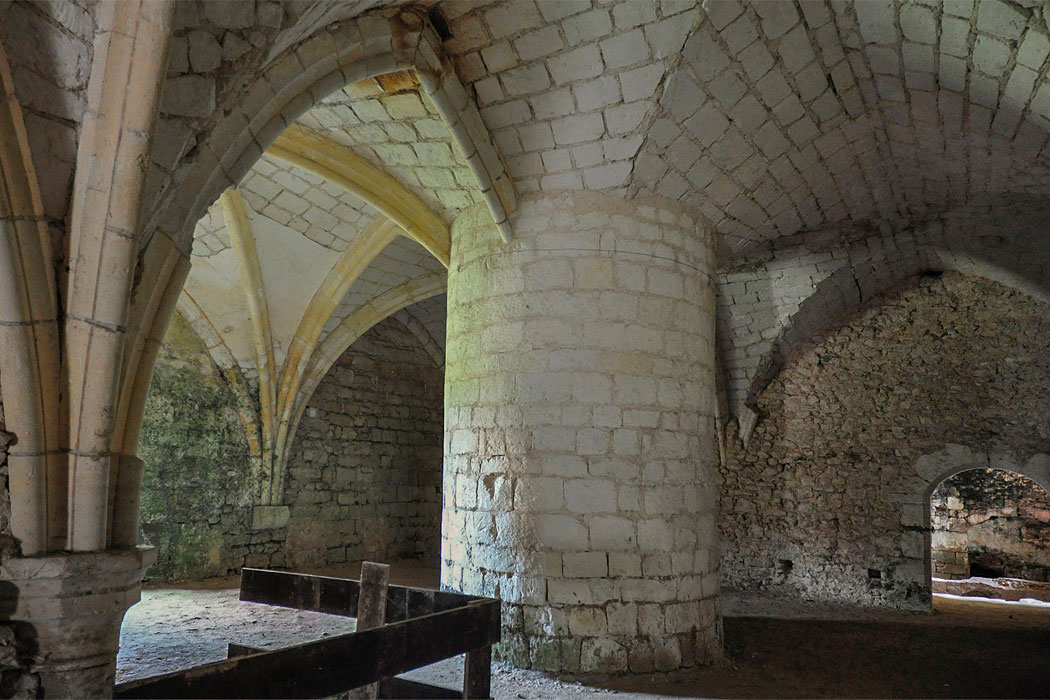
Corroirie
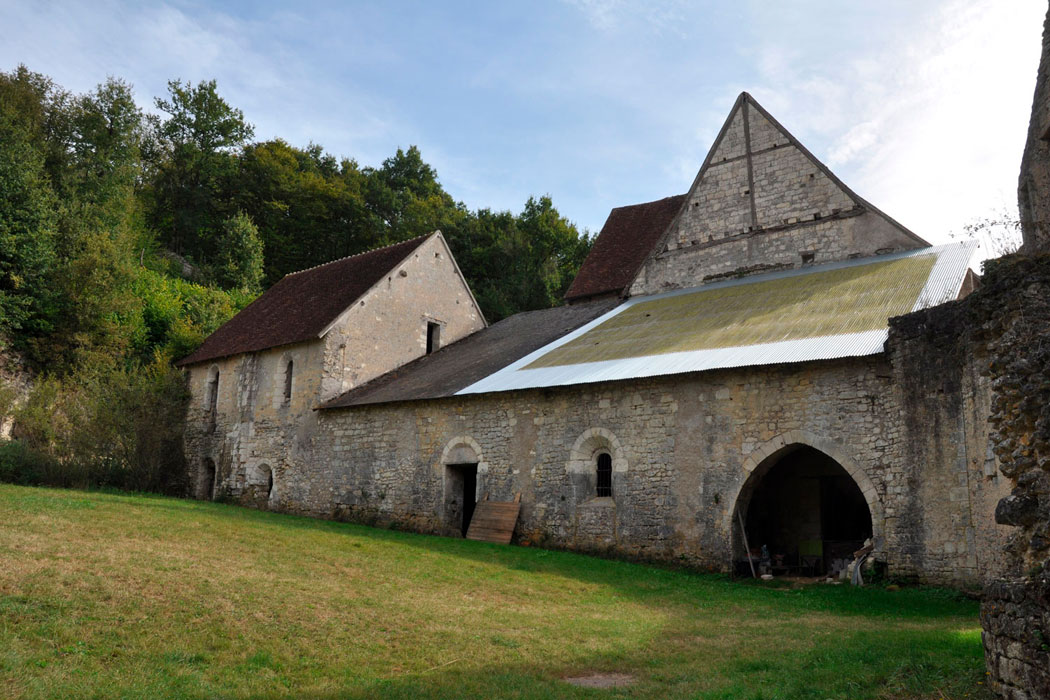
Corroirie
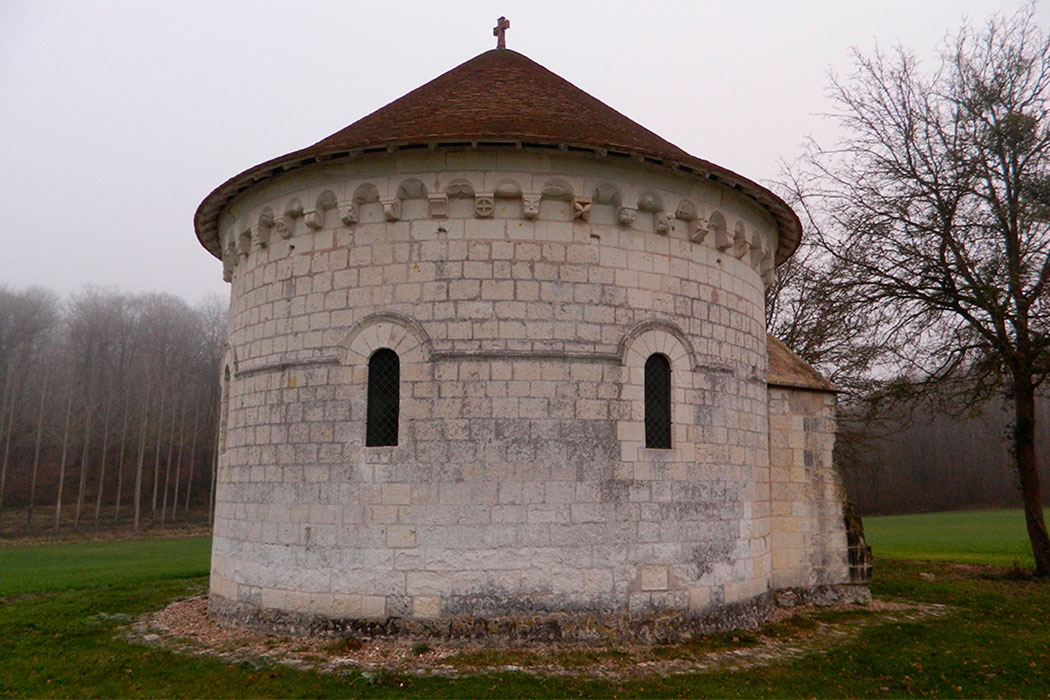
Photo by ManuD, on Wikimedia
- BESSE, Jean-Martial (1920). Abbayes et prieurés de l'ancienne France, vol. 8, Tours. París : Picard
- CARRÉ DE BUSSEROLLE, Jacques-Xavier (1879). Dictionnaire géographique, historique et biographique d'Indre-et-Loire et de l'ancienne province de Touraine. Vol. II. Tours: Rouillé-Ladevèze
- CARTOIXA DE NOTRE-DAME DES PRÉS (1913). Maisons de l'ordre des Chartreux. Vol. I. Chartreuse de Notre-Dame des Prés (Tournai)
- CORROIRIE DU LIGET (sd). Château-monastère de la Corroirie
- DUFAŸ, Bruno (2014). La Corroirie de la Chartreuse du Liget à Chemillé-sur-Indrois (Indre-et-Loire). Étude historique et architecturale. Revue archéologique du Centre de la France, vol. 53
- MOLIN, Nicolai (1903). Historia Cartusiana. Vol. 1. Tornaci
- OSSEBOEUF, Abbé (1895). Excursion à Beaulieu, Le Liget et Montrésor. Bulletin de la Société archéologique de Touraine. Vol. X. Tours: Péricat
- OURY, Dom G. (1971). L'érémitisme dans l'ancien diocèse de Tours au XIIe siècle. Revue Mabillon. Vol. 58. Ligugé
- PHILIPPON, Albert (1934). La chartreuse du Liget. Bulletin de la Société archéologique de Touraine, vol. XXV
- PHILIPPON, Albert (1941). La liquidation de la chartreuse du Liget par la Révolution. Bulletin de la Société archéologique de Touraine, vol. XXVIII
- VALLERY-RADOT, Jean (1949). La Chartreuse du Liget et la Corroirie. Congrès archéologique de France. 106 ss. Tours. Société française d'archéologie
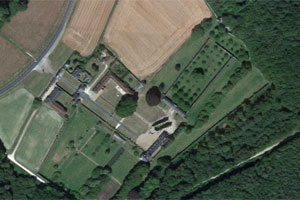
The Charterhouse of Le Liget is located in the commune of Chemillé-sur-Indrois, east of Loches. The Corroirie and the church of Saint-Jean du Liget are situated very close to the monastery