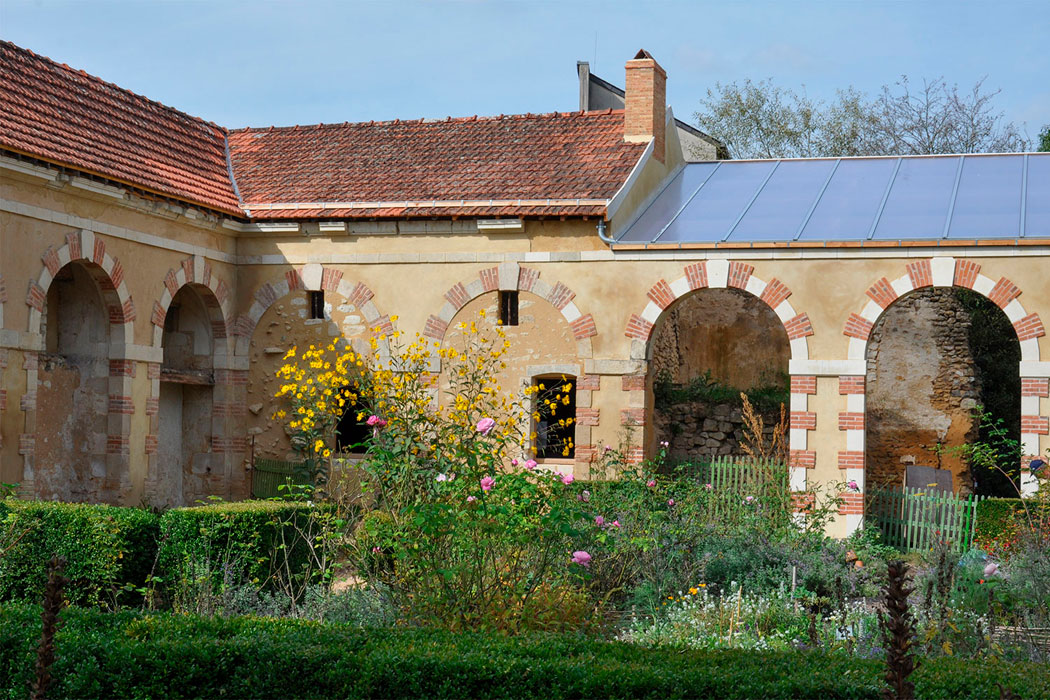
Cloister


The priory of Truffé has its origins in a nunnery founded in the time of Béraire, who occupied the see of Le Mans between 655 and 670. The foundation initiative came from Lopa, widow of Egignius, around the year 660. The existence of this monastery is known from a document issued by Clovis II (635-657), and there are still references to its activity in the time of Charlemagne (748-814), but it disappeared around 866, probably as a result of the Norman invasions.
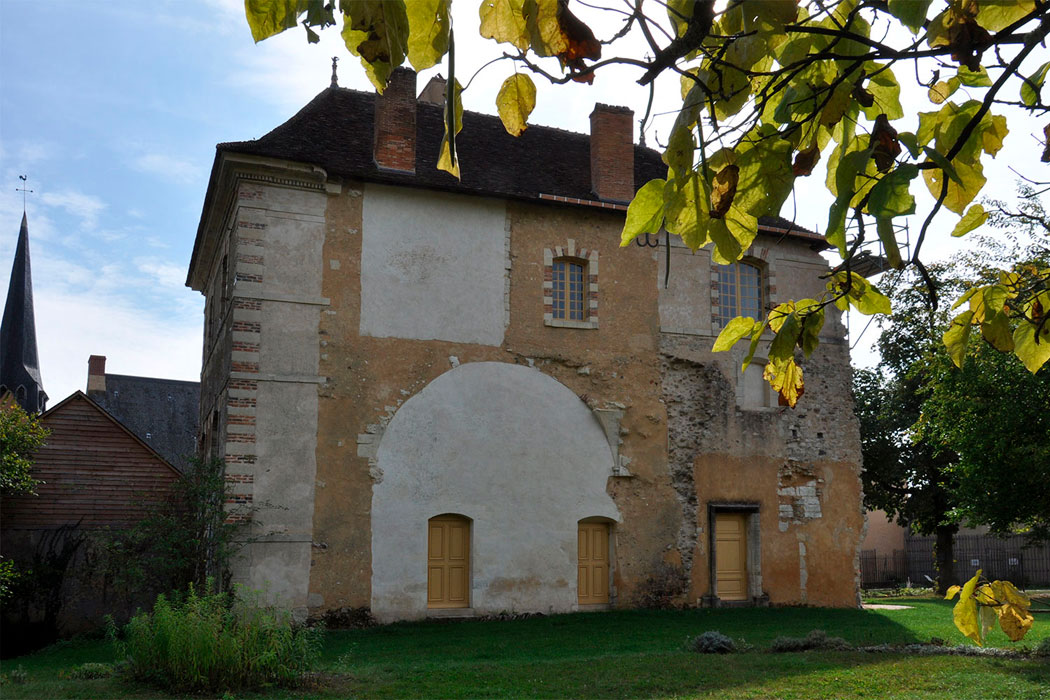
Medieval building renovated in the Maurist-period
In the 11th century, the site of Tuffé, with its church of Notre-Dame, belonged to the lords of Mondoubleau. Around 1030, Hugues de Mondoubleau refounded a monastery there, now with a male community, whose first abbot was Hermenteus, from the abbey of Saint-Pierre de la Couture (Le Mans). The life of this abbey was short-lived and, despite the endowment granted by Hugues, around 1070 his successor Hamelin ceded it to the abbey of Saint-Vincent du Mans, on which it became dependent as a priory responsible for administering the agricultural estates of the territory.
In 1636, Saint-Vincent joined the Congregation of Saint-Maur and, in 1646, a new community arrived at Tuffé from the mother house. This community reformed the priory, both through stricter observance and through the restoration and modernization of the buildings, in a manner similar to what was taking place at Saint-Vincent. This situation continued until 1768, when the priory was left without a community and the monks moved to the mother house. Tuffé then became part of the properties of the monastery of Le Mans. It was also at this time that the medieval church was demolished because of its ruinous condition.
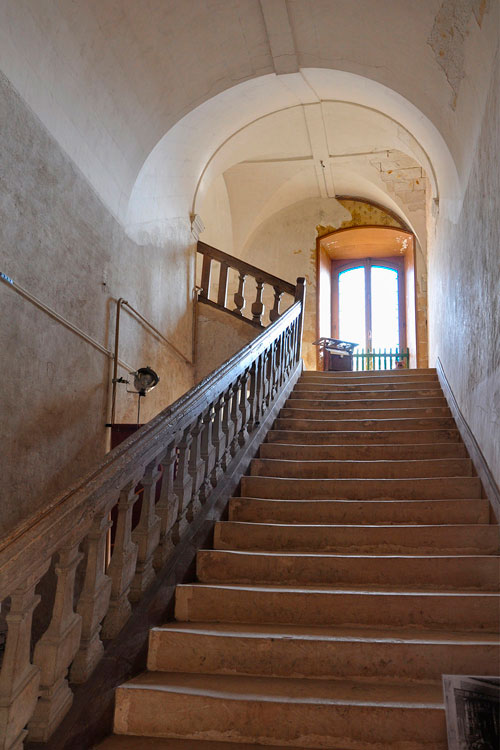
Maurist-period building
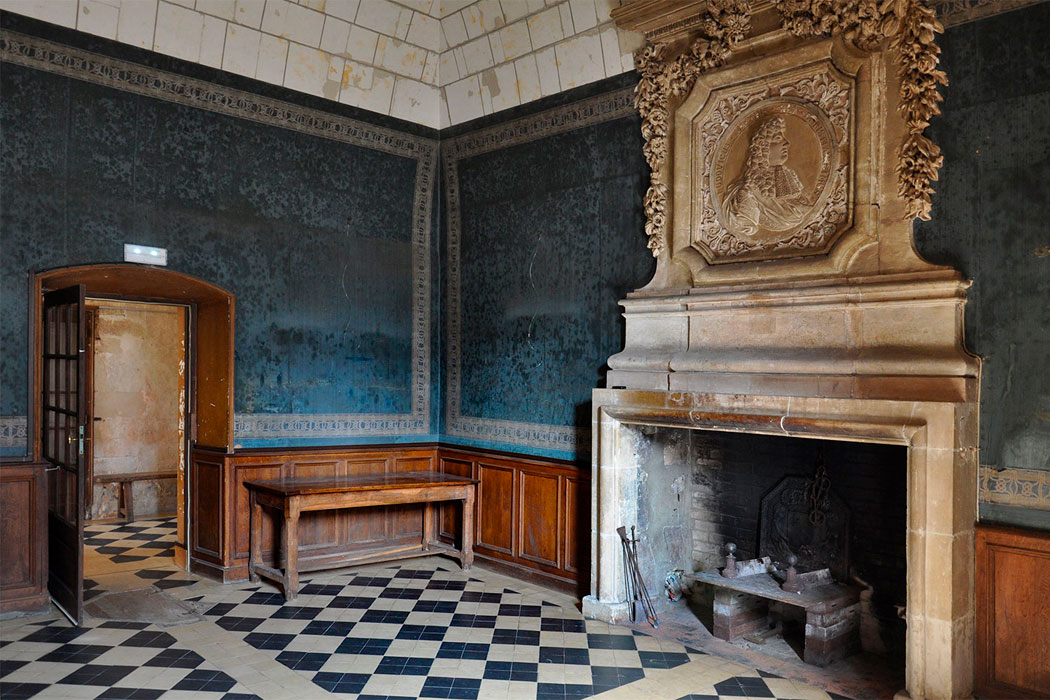
Maurist-period building
Agricultural activity continued until the Revolution, after which the site was put up for sale. In 1798, a faience factory was established there and remained active until 1832. During the 19th century, much of the monastic complex disappeared, although some Maurist-period buildings were preserved; these later became public property and were used, among other purposes, as the town hall.
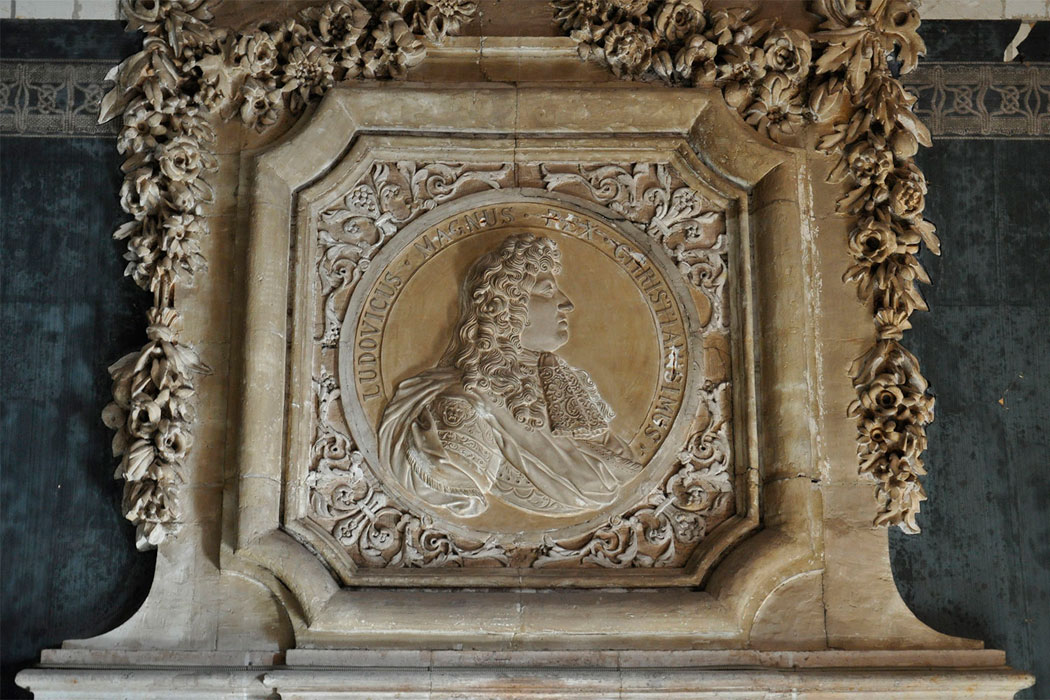
Maurist-period building. Louis XIV
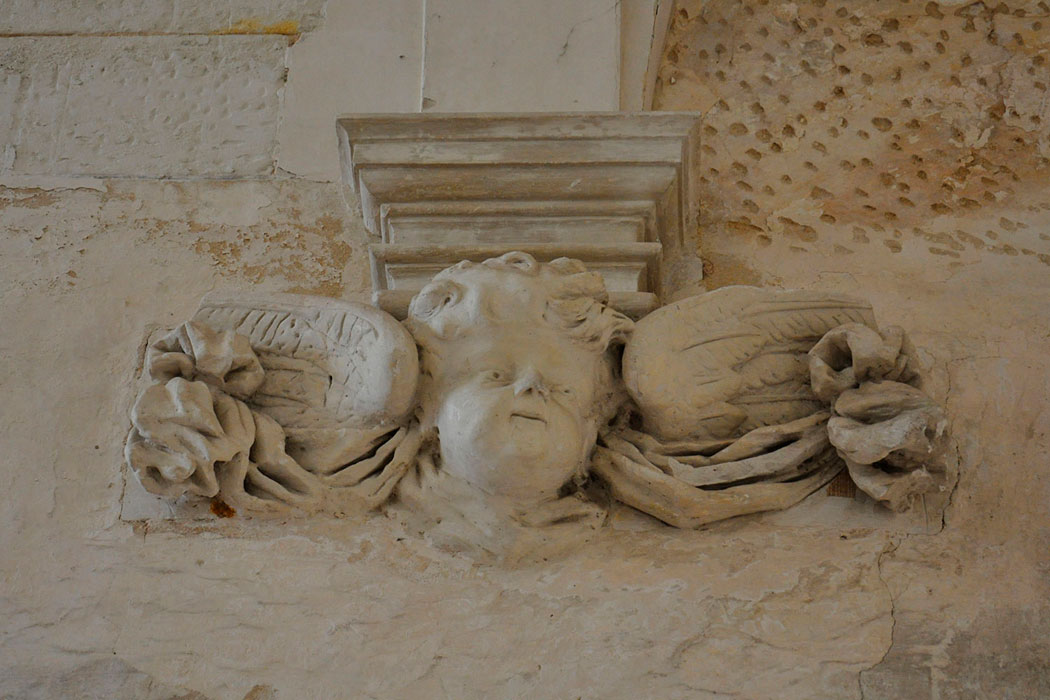
Maurist decoration
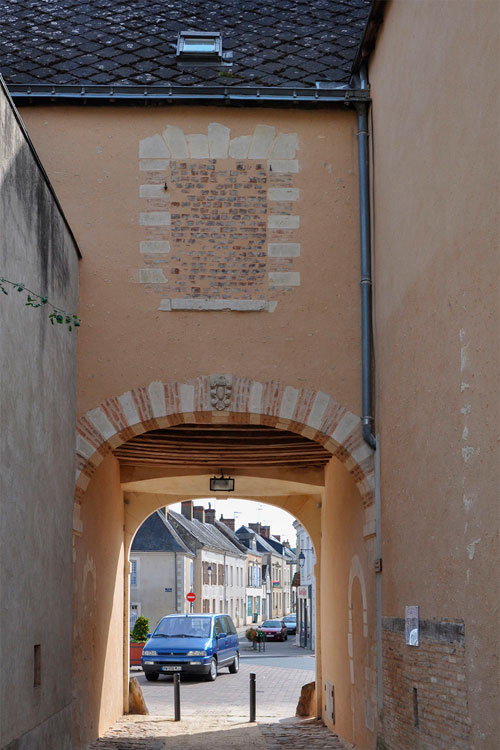
Monastery portal
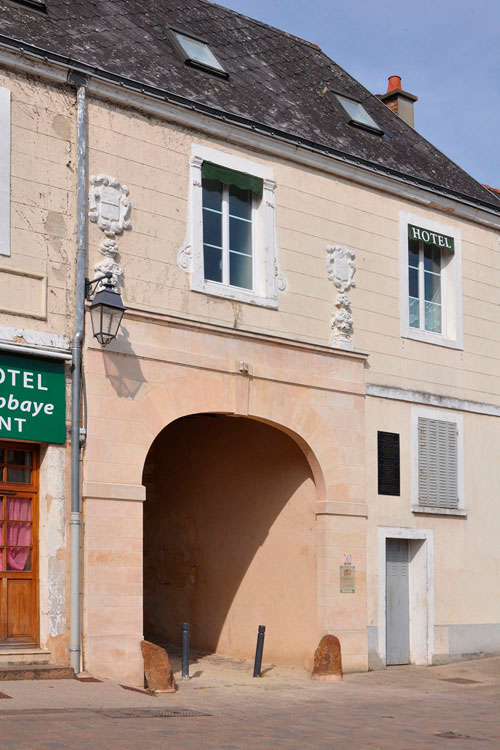
Monastery portal
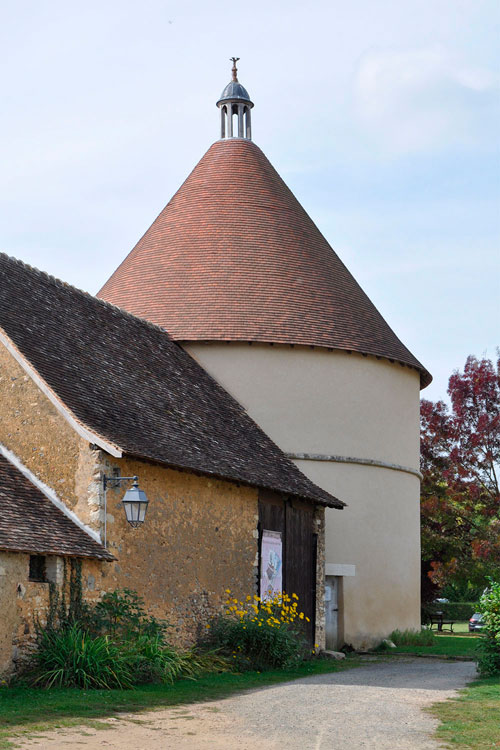
Dovecote
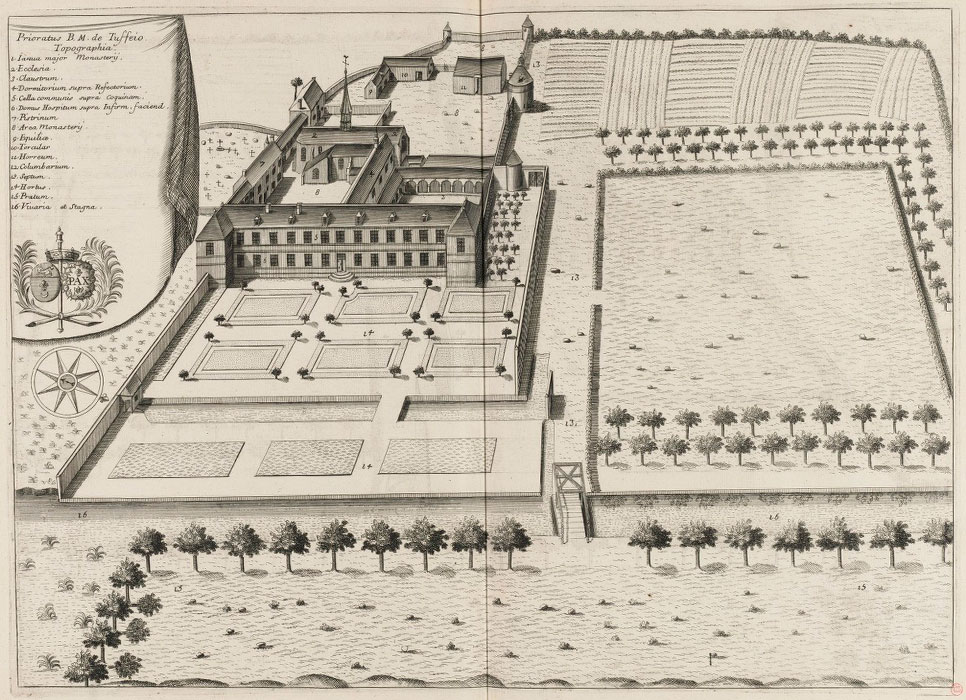
Monasticon Gallicanum
Bibliothèque nationale de France
- BEAUVAIS DE SAINT-PAUL (1837). Essai historique et statistique sur le canton et la ville de Mondoubleau. Le Mans: Monnoyer
- BESSE, Jean-Martial (1920). Abbayes et prieurés de l'ancienne France, vol. 8, Tours. París : Picard
- DESFORGES, Jean-David (2008). Pavillon de l'ancien prieuré Notre-Dame. Rapport d'opération d'archéologie du bâti
- HARDY, Julien; i altres (2021). Abbaye Notre-Dame. Tuffé Val de la Chéronne. Pays d’art et d’histoire du Perche Sarthois
- LEMERCIER, Sylvie (2007). Tuffé. Pays d'art et d'histoire du Perche Sarthois
- PEIGNÉ-DELACOURT, Achille (1877). Monasticon Gallicanum. Paris: G. Chamerot
- PICHARD, Edwige (2005). Le prieuré de Tuffé du temps des mauristes. Mémoire de maîtrise. Université du Maine
- PIOLIN, Dom Paul (1851). Histoire de l’Église du Mans. Vol. I. París: Julien, Lanier et Cie
- SAINT-MAUR, Congregació de (1856). Gallia Christiana in provincias ecclesiasticas distributa. Vol. 14. París: Typographia Regia
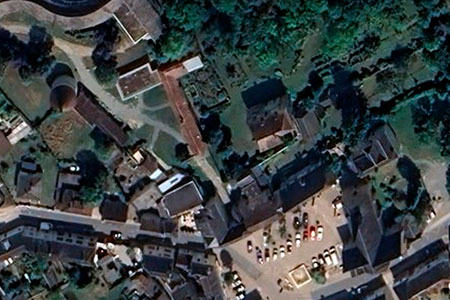
The commune of Tuffé, with the remains of the priory, is situated east of Le Mans, in the direction of Chartres