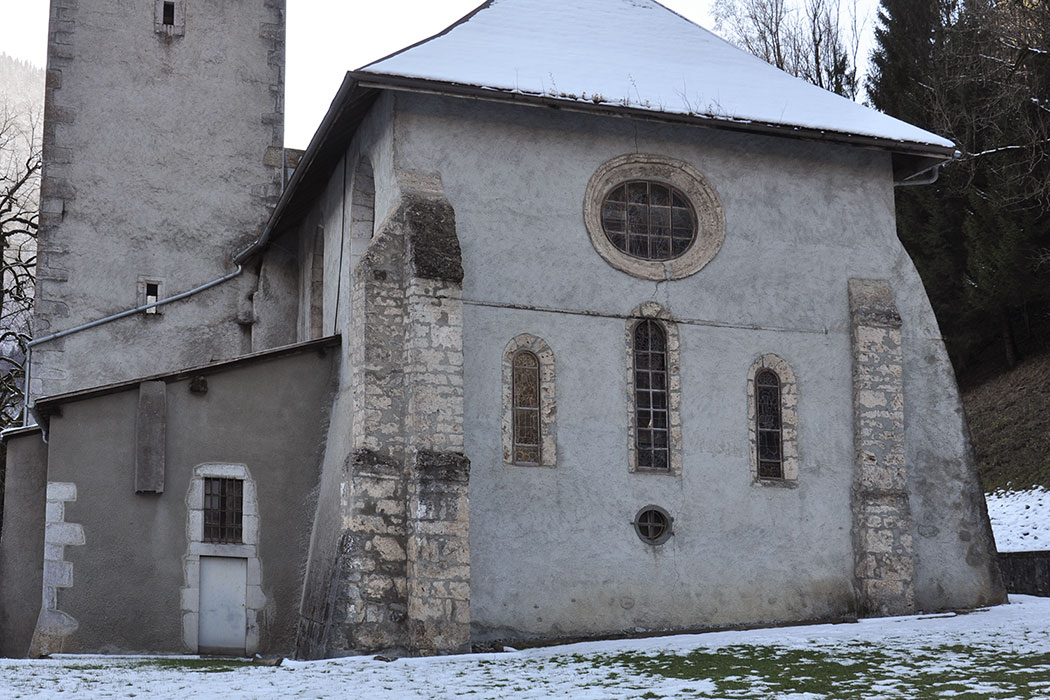

The Abbey of Sixt formed part of a congregation of Augustinian houses dependent on the Abbey of Abondance (Haute-Savoie). It was founded in the 12th century in a mountainous valley south of Lake Léman and managed to remain active, despite its decline, until the Revolution.
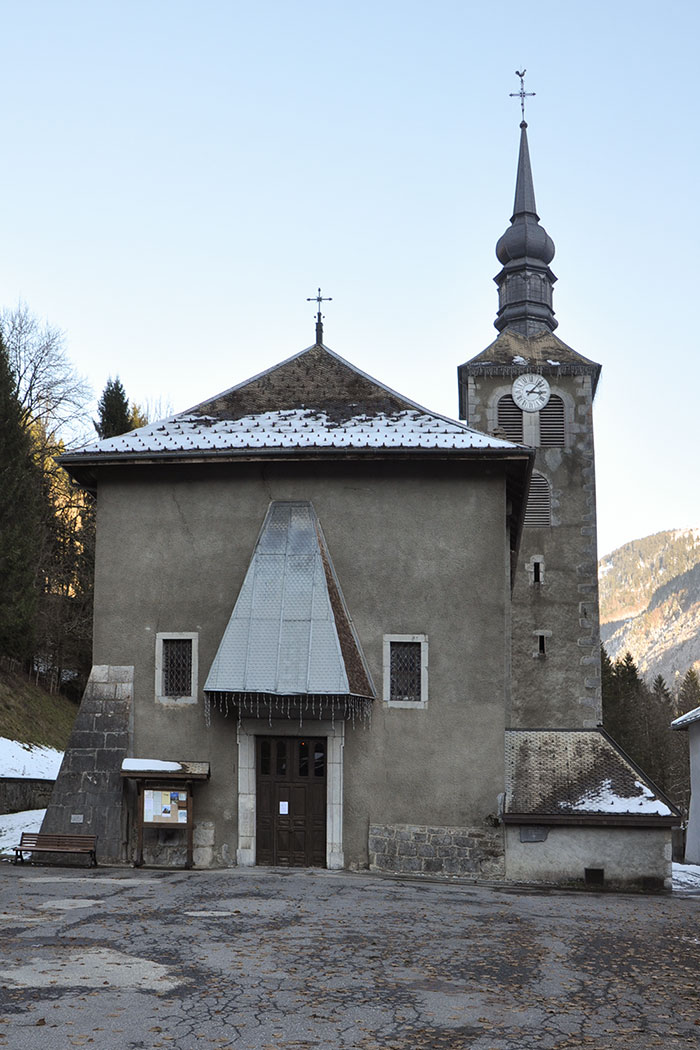
The Augustinian priory of Sixt was founded between 1140 and 1144 from the Abbey of Abondance (Haute-Savoie), itself established by the Abbey of Saint-Maurice d’Agaune (Valais, Switzerland). Although no explicit document survives, the foundation is attributed to Aymon de Faucigny († c. 1168), brother of the bishop of Geneva of that time. It was established on lands belonging to the lords of Faucigny that had previously been granted to Abondance. In 1144 Sixt assumed the title of abbey. Its first abbot was Ponce, probably one of the first monks who had come from Abondance.
Sixt formed part of a congregation of Augustinian houses linked to Abondance, among which, in addition to Sixt itself, were the abbeys of Entremont (Haute-Savoie), Grandvaux and Goaille (both in the Jura), among others. This relationship meant that the abbey depended on the mother house in important matters such as the election of the abbot. It has also been suggested that, nearby and in connection with this community, a house of canonesses was founded. Its prioress, Adélaïde de Faucigny, is even mentioned. In any case, it is believed that around 1285 those canonesses joined the female Charterhouse of Mélan (Haute-Savoie).
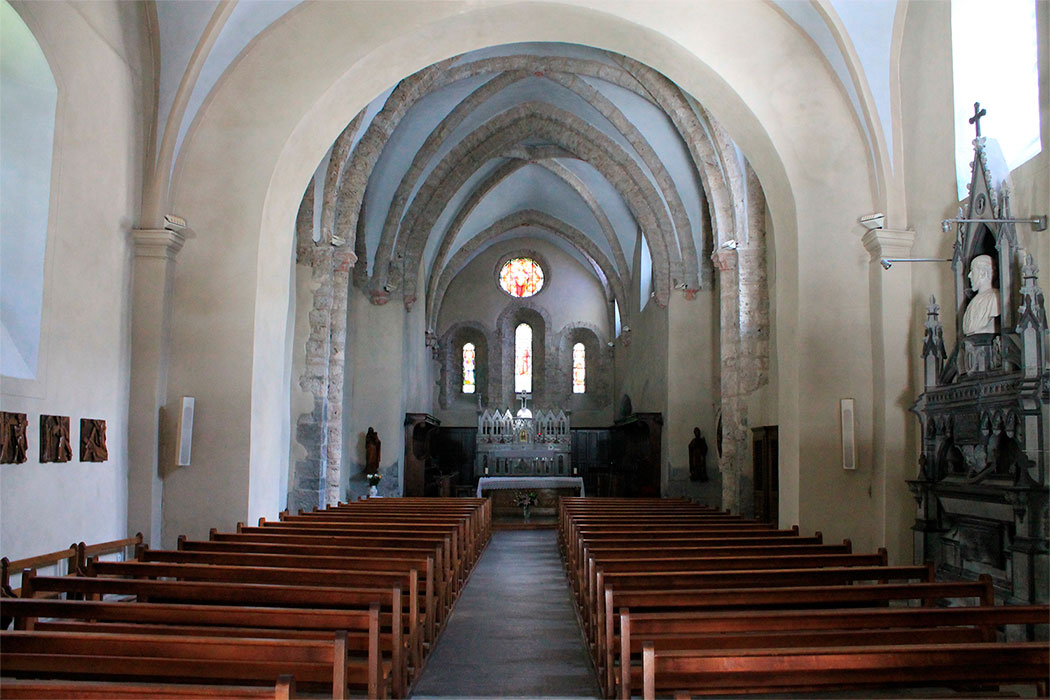
Photo by B. Brassoud, on Wikimedia
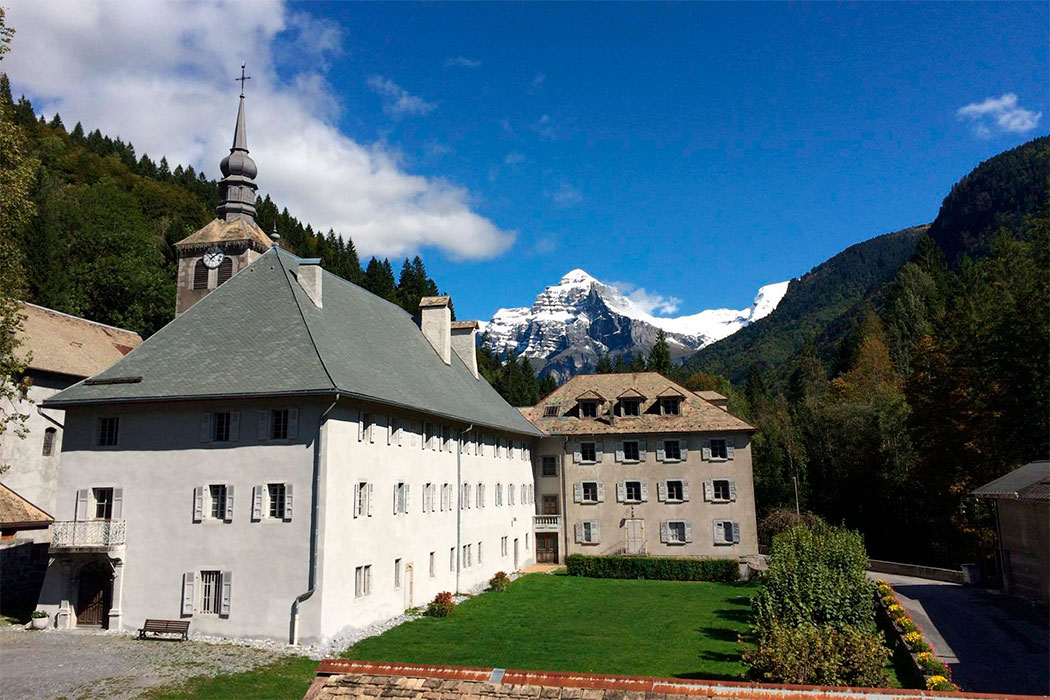
Photo by OT de Sixt, on Wikimedia
A papal bull issued by Innocent III in 1204 listed the possessions of this abbey, which extended through the valleys of the rivers Giffe and Arve as far as Geneva. Many of these possessions derived from donations made by the Faucigny family. During the 15th century the house went through a period of decline and also experienced problems of observance. Around the middle of that century, it was placed under the commendatory system. At the beginning of the 17th century the bishopric of Geneva attempted to restore the situation and to promote the repair of the buildings. The abbey also suffered from fires (the one in 1680 was particularly serious) and floods. This decline led the canons to request secularization.
In 1792 the Duchy of Savoy was incorporated into France and the canonical community disappeared as a result of the Revolution. Its buildings passed into private hands, and those that were not lost were heavily altered. The church survives and had already served parochial functions beforehand. It has a single nave and has been greatly modified and altered over time and by insensitive restorations. Other conventual buildings were converted into a hotel, although they were later recovered and restored.
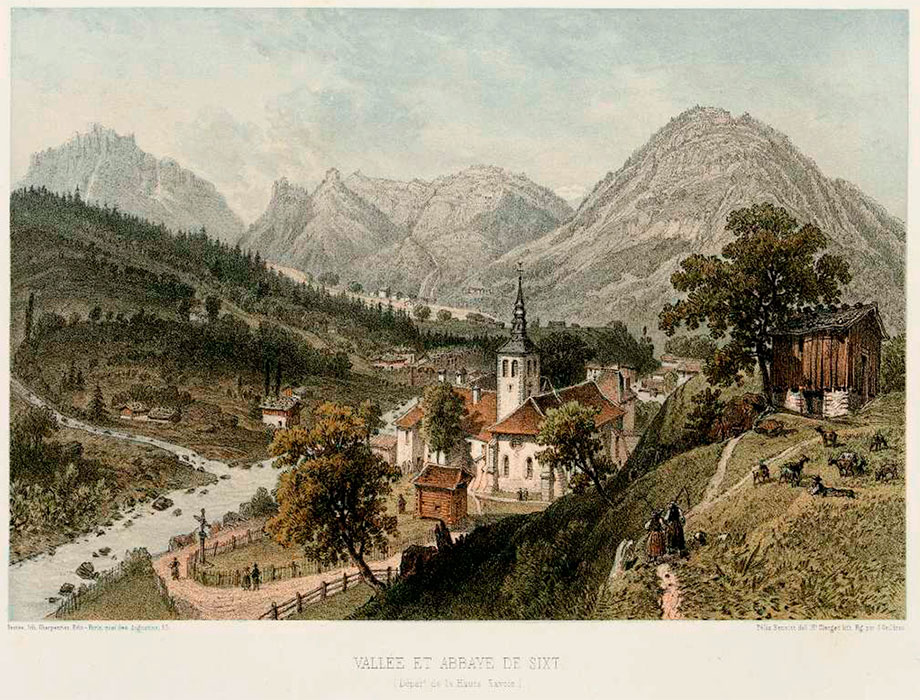
Nice et Savoie: sites pittoresques (1864)
- BESSE, J.-M.; i altres (1939). Abbayes et prieurés de l'ancienne France. Vol. 9: Province ecclésiastique de Vienne. Abbaye de Ligugé
- BESSON, Joseph-Antoine (1871). Mémoires pour l'histoire ecclesiastique des dioceses de Geneve, Tarantaise, Aoste et Maurienne. Moûtiers: Cane
- BOCHATON, Sidonie (2023). L’abbaye de Sixt : des chanoines réguliers en Faucigny (XIIe-XIXe siècle). Mémoires et documents publiés par l’Académie salésienne, vol. 130
- BOCHATON, Sidonie; JOUNEAU, David (2018). L’abbaye de Sixt à travers le temps, résultats des campagnes archéologiques 2015 et 2016. Les Dossiers du Musée Savoisien
- RANNAUD, A. Marie (1916). Histoire de Sixt. Annecy: Abry
- SAINT-MAUR, Congregació de (1865). Gallia Christiana in provincias ecclesiasticas distributa. Vol. 16. París: Firmin Didot
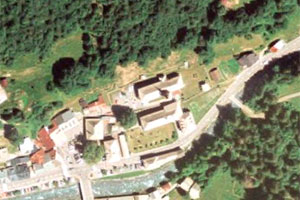
The Abbey of Sixt is located in the commune of Sixt-Fer-à-Cheval (Haute-Savoie), in a mountainous area at the bottom of the valley of the river Giffe, north of Chamonix