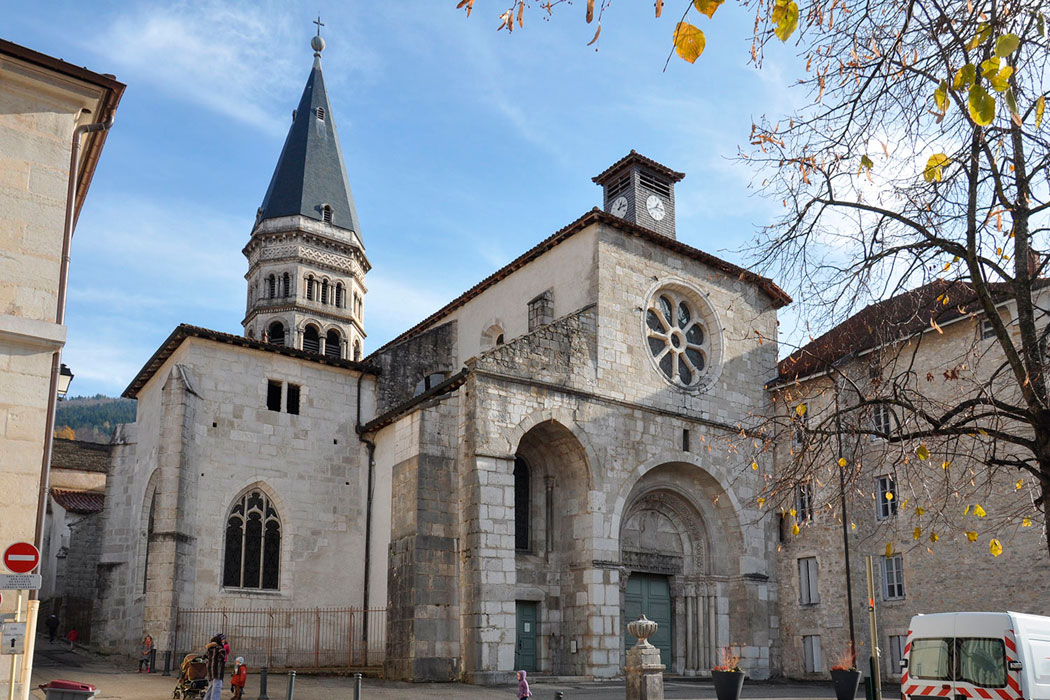
Now Saint-Michel church


Nantua is located in the Bugey region, in the French department of Ain. This site was home to a monastic community known since the Carolingian period, first as a Benedictine abbey and later, after its incorporation into Cluny, as a priory dependent on that Burgundian abbey. The architectural remains preserved from the monastery date from this later phase.
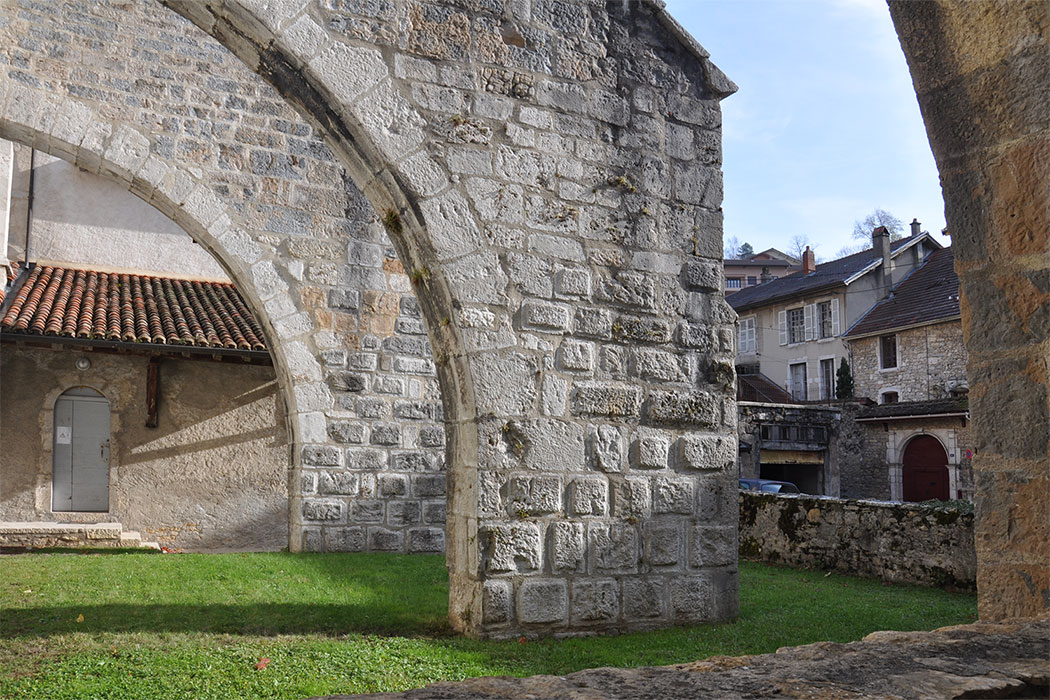
Buttresses at the site of the cloister
A legend attributes the foundation of this monastery to Saint Amand (c. 594–c. 684), who was also responsible for the foundation of the abbey of Elnon (Nord). This account, however, is considered erroneous and probably derives from a toponymic confusion with the abbey of Saint-Pierre de Nant (Avairon), connected with the term Nanto. It is only at a later period that concrete references to Nantua begin to appear. Apart from an uncertain mention of an abbot named Teto, dated to the year 670, no reliable documentation exists before the time of Abbot Syagrius. It should also be noted that there are significant documentary gaps, as the monastery’s archives were destroyed by fire.
Syagrius is mentioned in a document issued by Pepin the Short in 757, which granted the monastery the privilege of immunity; this was later confirmed in 817 by Louis the Pious. During this period, Nantua became part of the Benedictine reform promoted by Benedict of Aniane (c. 750–821). In 852, Lothair I placed the monastery under the authority of the bishop of Lyon. In 877, following the death of Charles the Bald during a journey, his body was temporarily buried at Nantua. In 884, his remains were transferred to the abbey of Saint-Denis, near Paris. In 952, Saint-Pierre de Nantua was destroyed during an attack by Hungarian invaders and was subsequently abandoned.
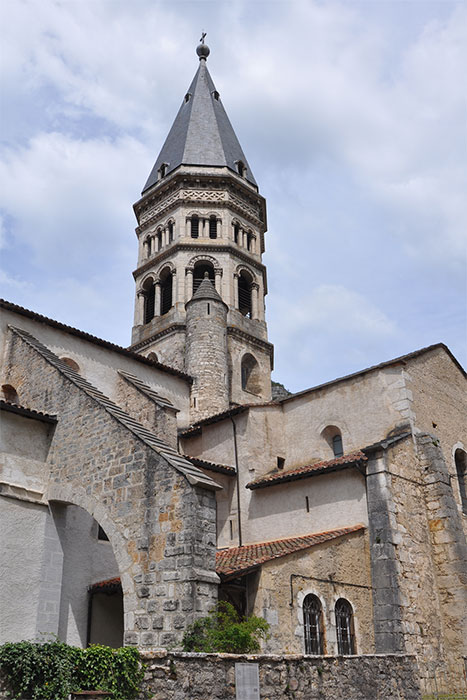
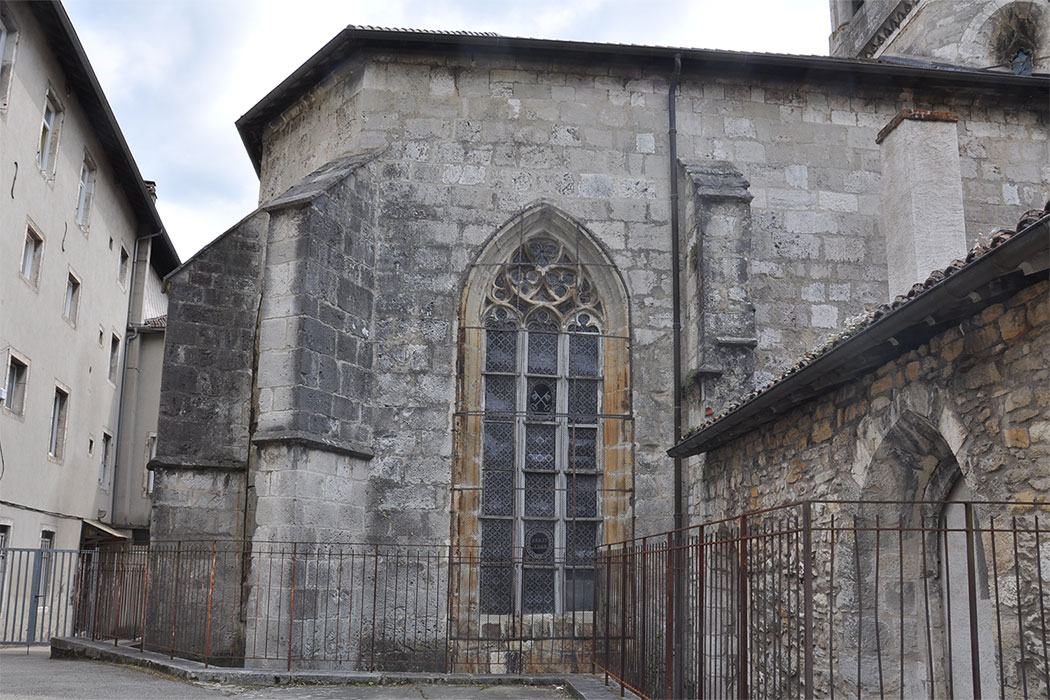
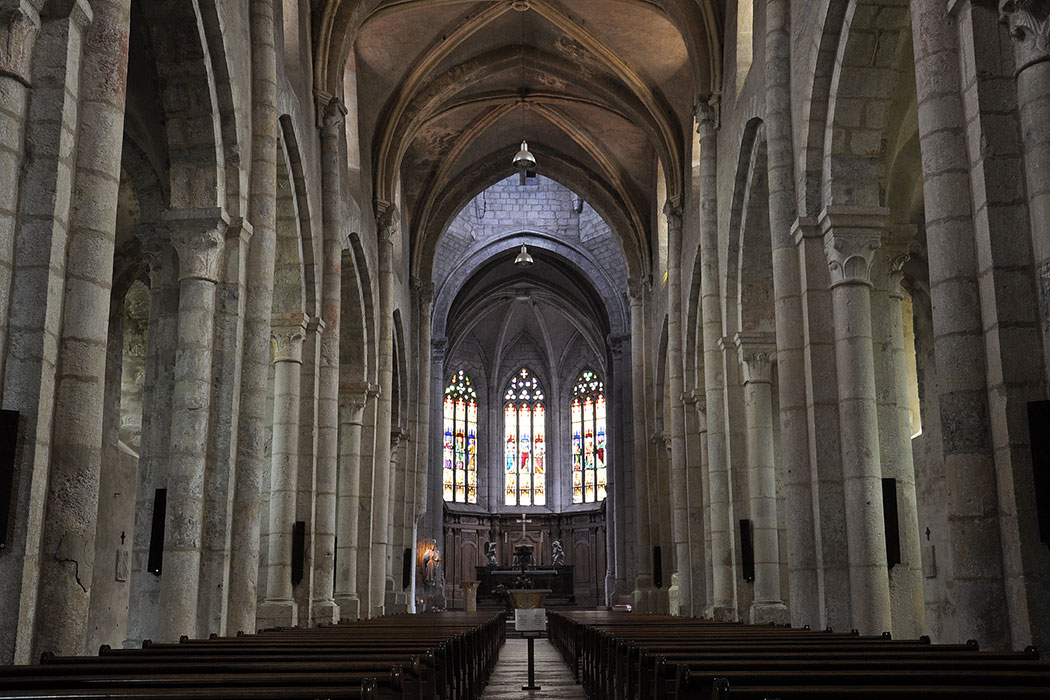
The revival of the monastery came from the abbey of Cluny (Saône-et-Loire), which undertook the reconstruction of the site. In 959, the former monastery was incorporated into the Cluniac sphere. As a result of Cluny’s internal policies, Nantua was reduced to the status of a priory in 1109, a position it retained until the Revolution, when the monastery was permanently suppressed. The site then took on parochial functions transferred from the former parish church of Saint-Michel, which was small and in poor condition and was eventually demolished. From that time onwards, the church was dedicated to Saint Michael.
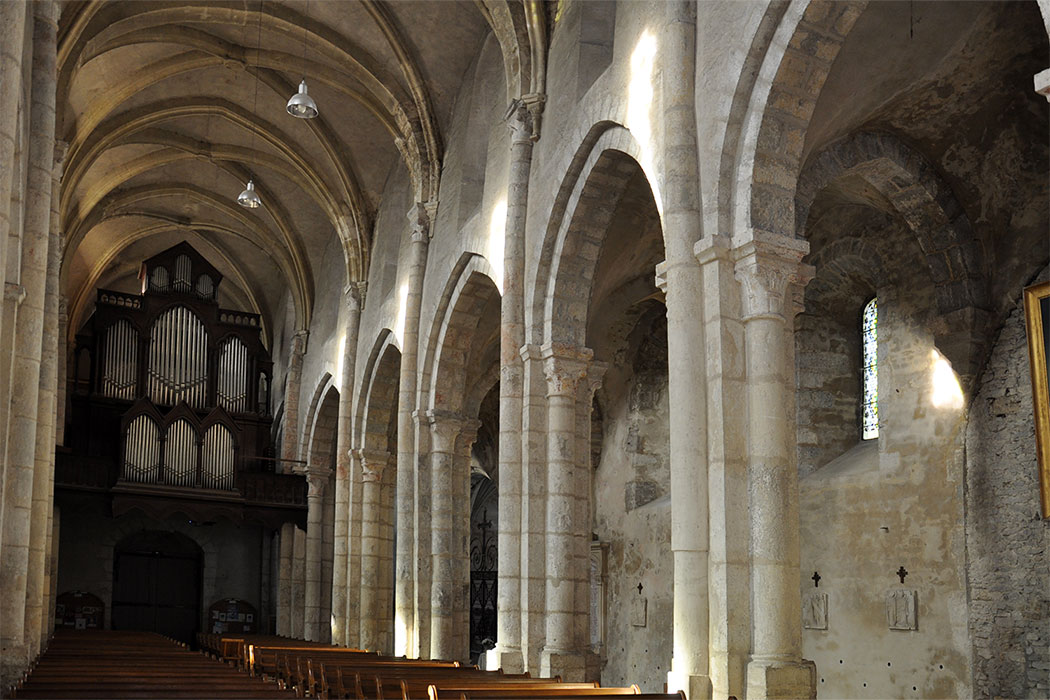
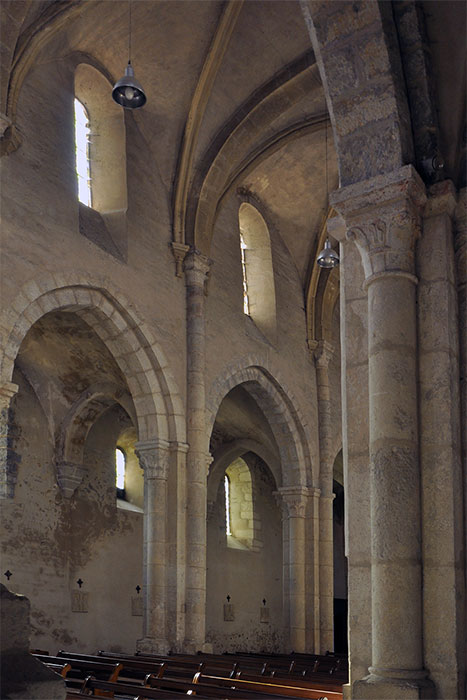
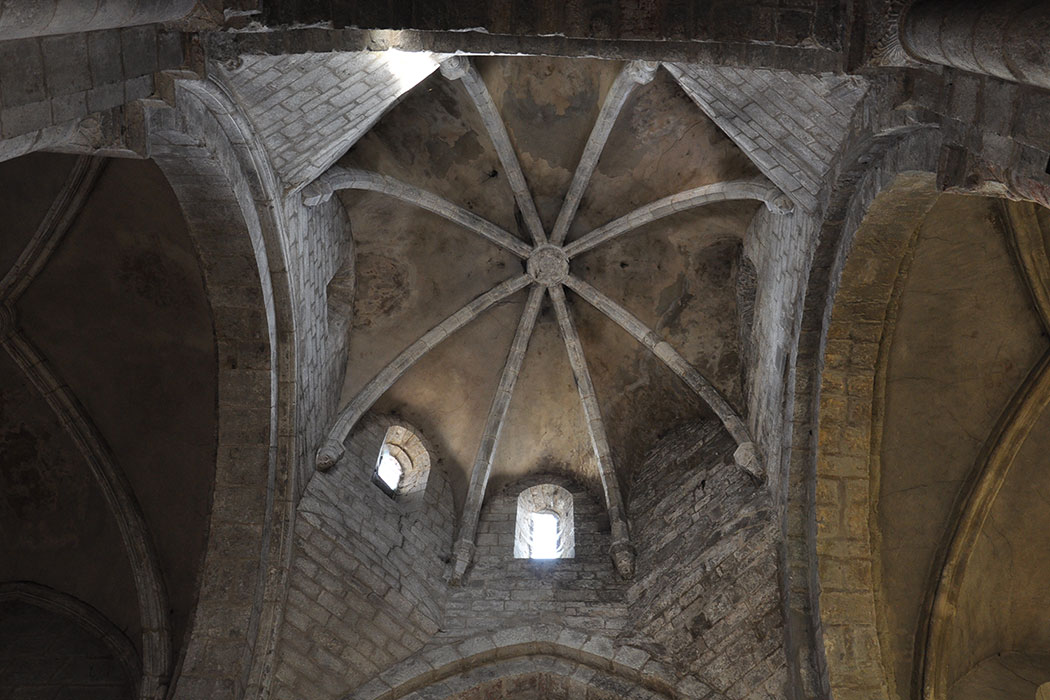
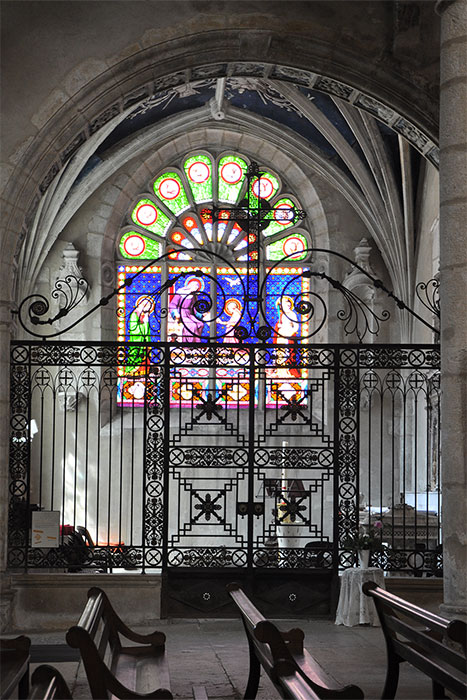
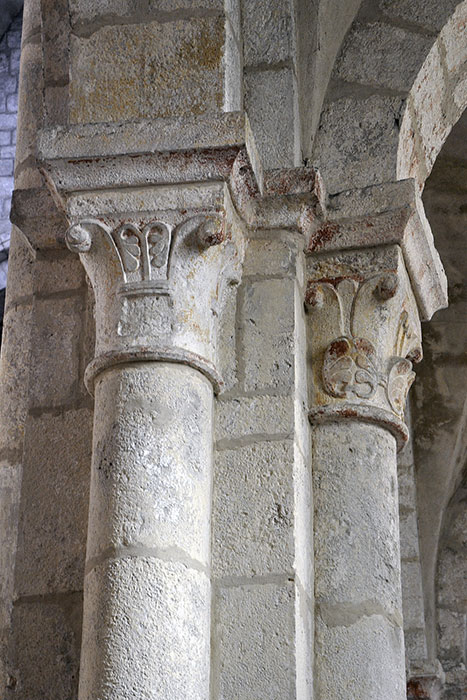
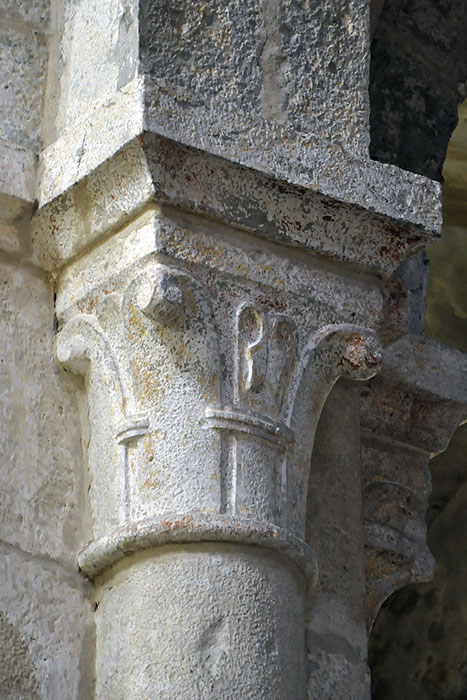
The church of Saint-Pierre was built during the abbacy of Hugh of Semur (1024–1109) at Cluny, replacing an earlier and more modest building consisting of a single nave and an apse. The twelfth-century church had three naves with six bays and a transept, above which opened five apses: three central apses aligned with the naves and two lateral apses opening onto the transept. This chevet was extensively remodelled in the fifteenth century. At the western end stands the main portal, which once featured an important sculptural decoration, badly damaged during the Revolution. The other buildings of the priory have disappeared or have been concealed by later constructions.
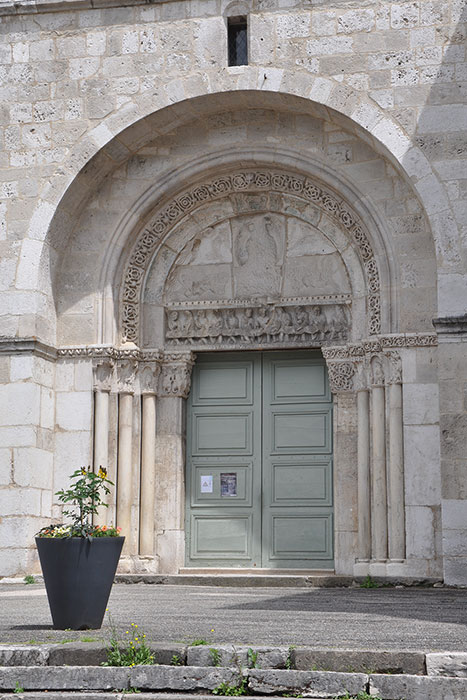
Western portal
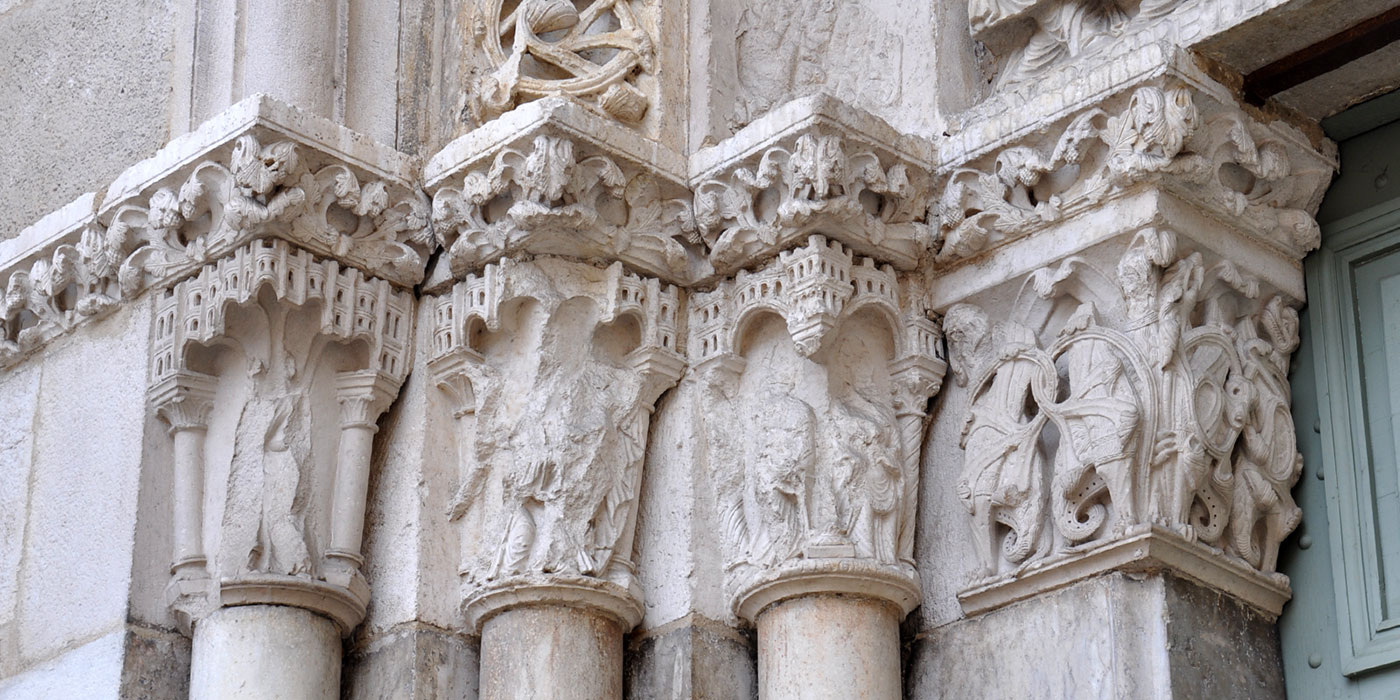
Western portal
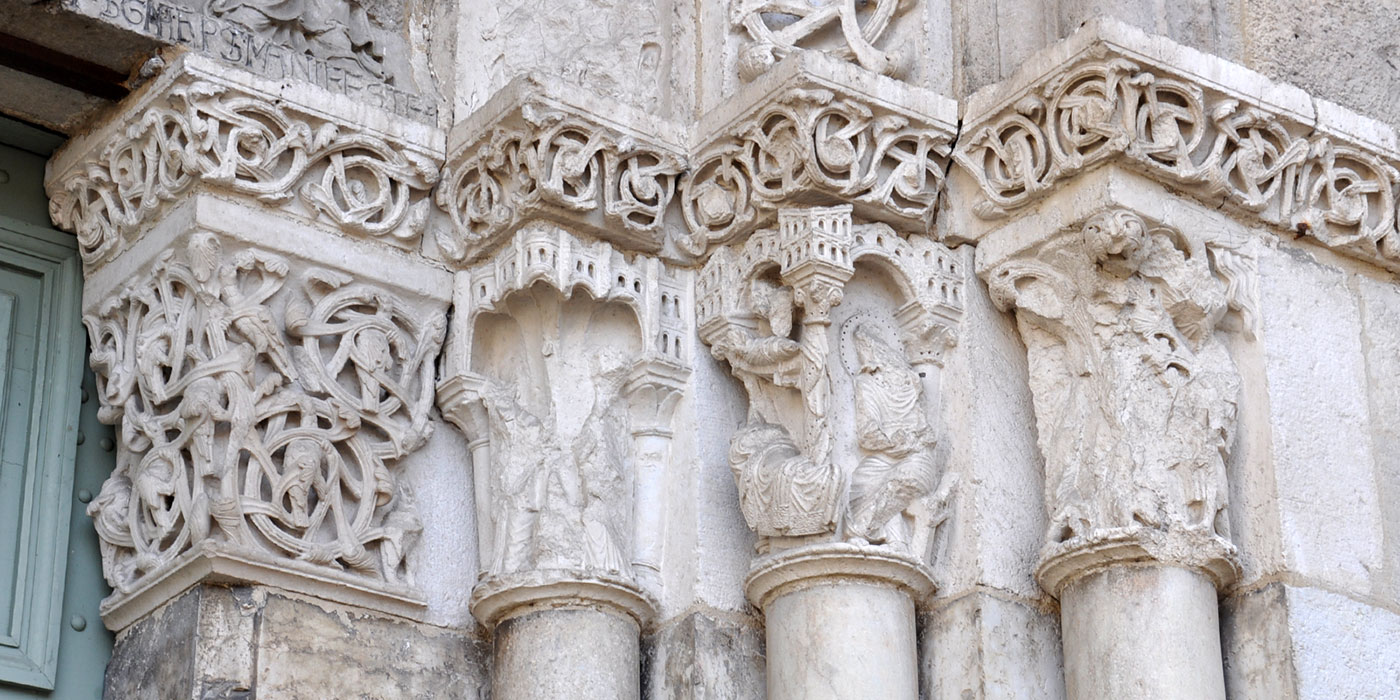
Western portal
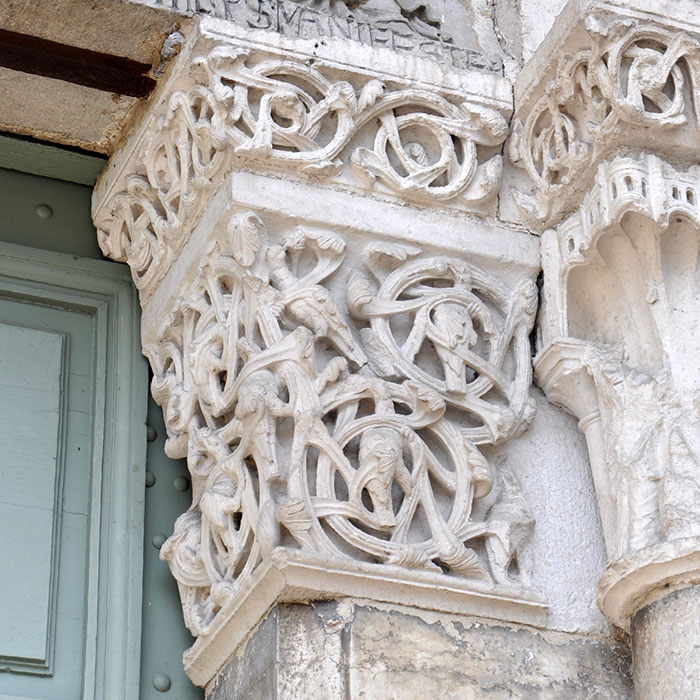
Western portal
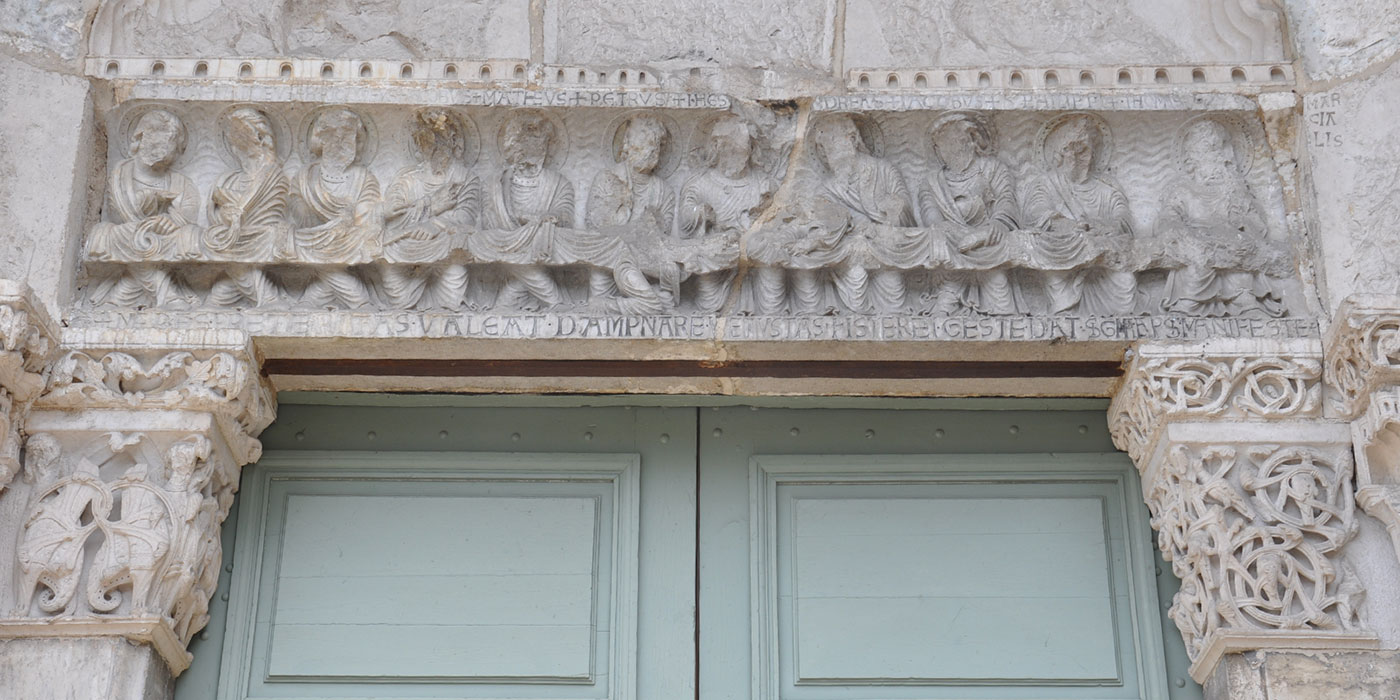
Western portal. Lintel with the Last Supper
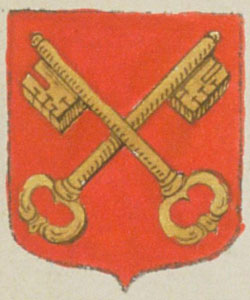
Armorial général de France (18th century)
Bibliothèque nationale de France
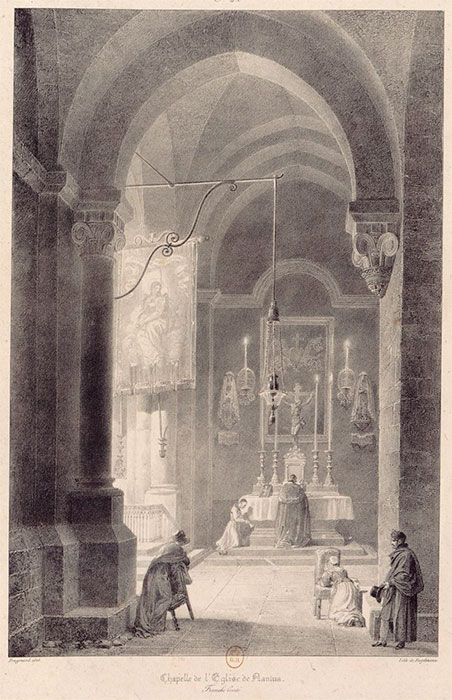
Illustration from Voyages pittoresques et
romantiques dans l'ancienne France
Bibliothèque nationale de France
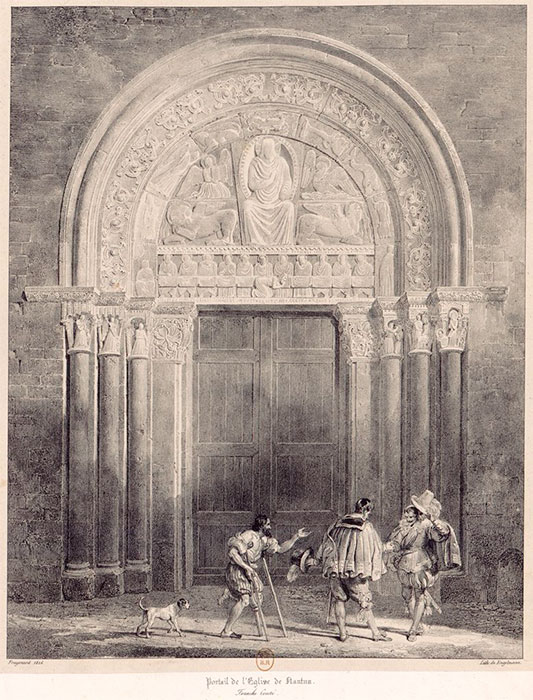
Illustration from Voyages pittoresques et
romantiques dans l'ancienne France
Bibliothèque nationale de France
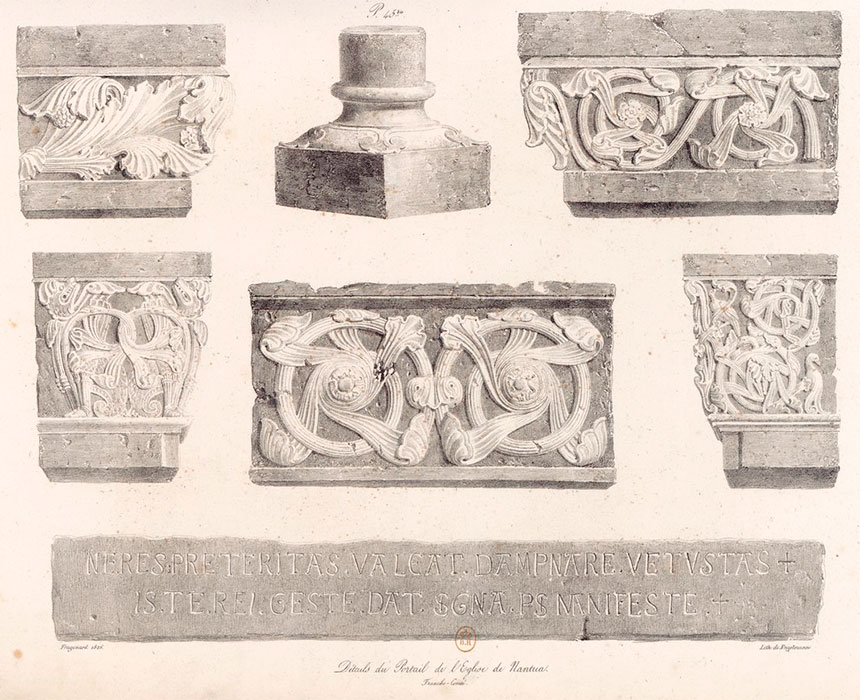
Illustration from Voyages pittoresques et
romantiques dans l'ancienne France
Bibliothèque nationale de France
- BAUD, Anne (2002). Le prieuré clunisien de Nantua. Ancienne abbaye carolingienne du Bugey. Cluny à la découverte des sites clunisiens. Dossiers d’Archéologie, núm. 275
- COTTINEAU, Laurent-Henri (1939). Répertoire topo-bibliographique des abbayes et prieurés. Vol. 2. Mâcon: Protat
- DEBOMBOURG, Georges (1858). Histoire de l'abbaye et de la ville de Nantua. Bourg: Dufour
- DUBOIS, Jacques (1971). L'implantation monastique dans le Bugey au Moyen Âge. Journal des savants
- FISQUET, Honoré (1867). La France pontificale (Gallia christiana). Vol. 8. Lyon. París: E. Repos
- GUÉRIN, Paul (1888). Les Petits Bollandistes. Vies des saints. Vol. 2. París: Bloud et Barral
- GUICHENON, Samuel (1650). Histoire de Bresse, et de Bugey. Vol. 2.2. Lyon: Huguetan
- LE BAS, Philippe (1841). Historia de la Francia. Vol. 4. Barcelona: Imp. Nacional
- LE BOURGEOIS, Pierre (2011). Nantua. Abbatiale Saint-Michel. Saint-Priest: Lescuyer
- NODIER, Charles (1825). Voyages pittoresques et romantiques dans l'ancienne France. Franche Compté. París: Engelmann
- OURSEL, Raymond (1990). Lyonnais, Dombes, Bugey et Savoie romans. La nuit des temps, 73. Zodiaque
- REGAT, Christian (2018). Les origines du monachisme en Savoie. Millénaire de l'abbaye de Talloires : actes du colloque tenu à Talloires. Annecy: Académie
- REVEYRON, Nicolas (2013). Le prieuré clunisien de Nantua : analyse morpho-spatiale et organisation de l’espace ecclésial. Architecture, décor, organisation de l’espace. Alpara
- SAINT-MAUR, Congregació de (1725). Gallia Christiana in provincias ecclesiasticas distributa. Vol. 4. París: Typographia Regia
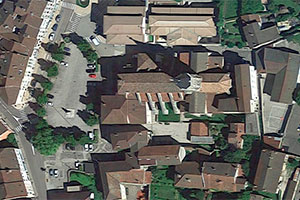
Nantua lies between Lyon and Geneva