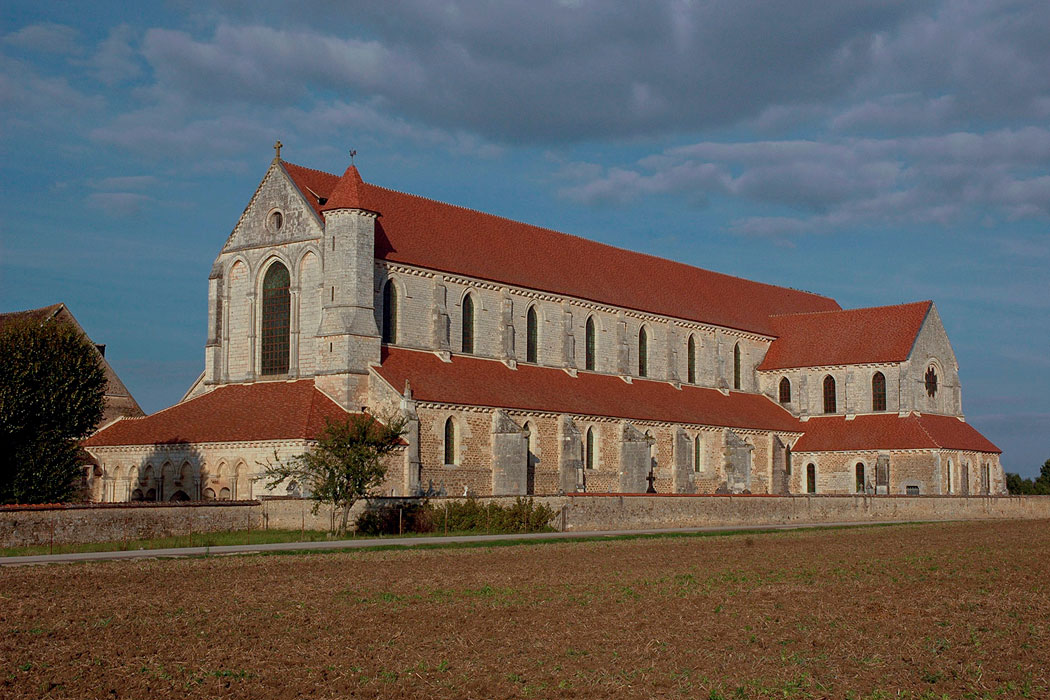

Pontigny Abbey is one of the first four daughter houses founded from Cîteaux (Côte-d’Or). These monasteries formed the nucleus of the expansion of the Cistercian Order and played a fundamental role in its development. The first was La Ferté (Saône-et-Loire), founded in 1113; Pontigny followed in 1114, and then Clairvaux (Aube) and Morimond (Haute-Marne), both founded in 1115.
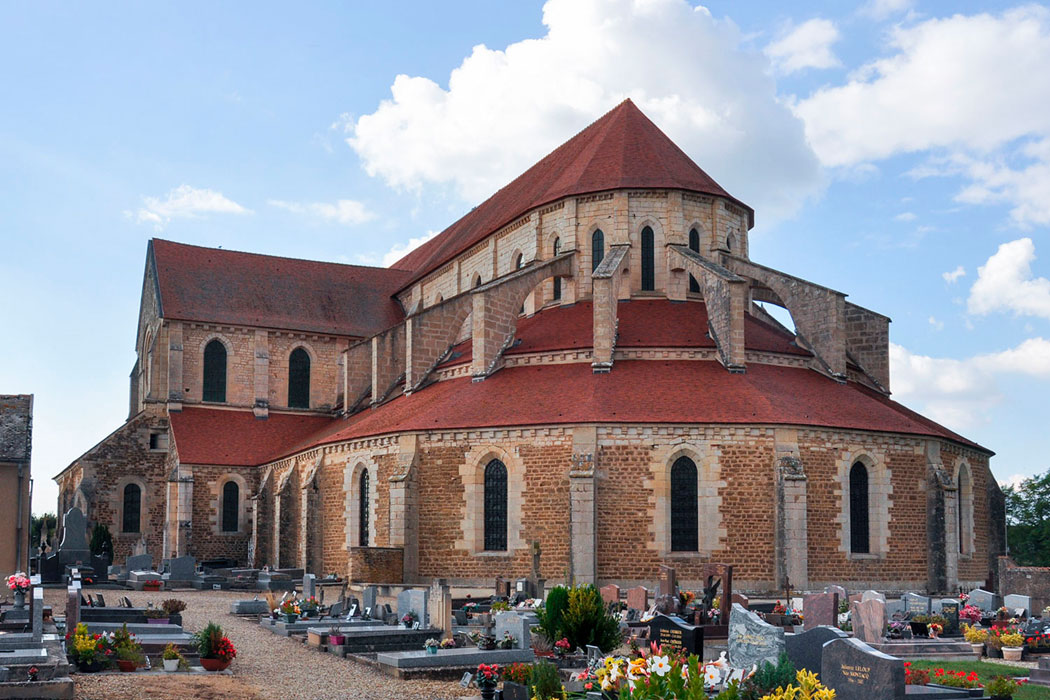
The foundation of Pontigny was promoted through the initiative of Stephen Harding (c. 1060–1134), abbot of Cîteaux from 1108 to 1133. A canon of Auxerre Cathedral and Humbaud, bishop of the same diocese, also took part in the undertaking. The first abbot of Pontigny was Hugues de Mâcon, who was associated with Bernard of Clairvaux (1090–1153). Although there is no documentary confirmation, chroniclers of the Order considered that the site chosen for the new abbey had previously been occupied by a hermit named Stephen.
The construction of Pontigny’s large abbey church has traditionally been dated to the mid-12th century, a period of prosperity for the monastery. The eastern end was probably built between the final decades of the 12th century and the early years of the 13th, as work was still in progress in 1206. Pontigny soon began establishing new foundations. The first was Bouras Abbey (Nièvre), in 1119, followed by Cadouin Abbey (Dordogne) in the same year, and Fontainejean (Loiret) and Jouy (Seine-et-Marne), both founded in 1124. Pontigny eventually had sixteen direct filiations. From its beginnings, the community also had a church, or more precisely an oratory, dedicated to Saint Stephen.
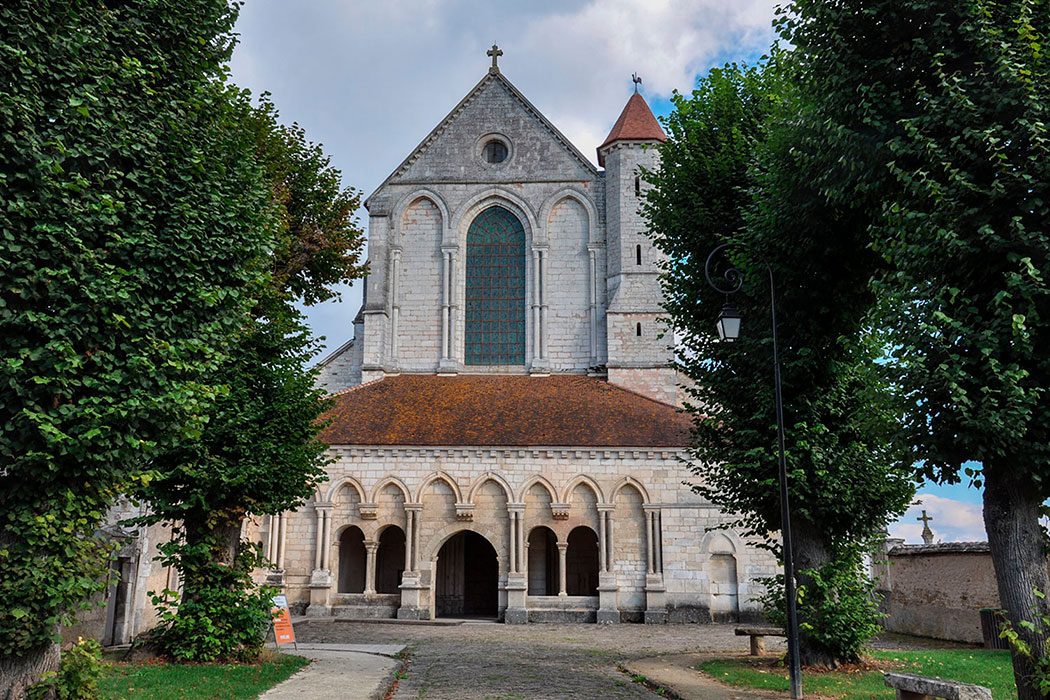
Western façade and narthex
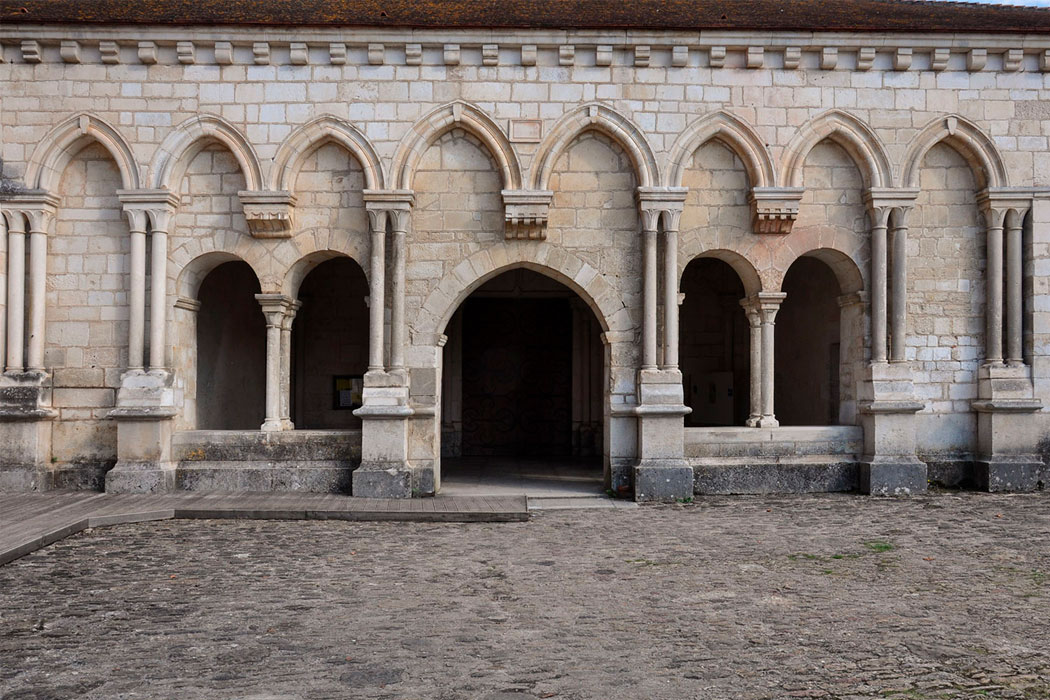
Narthex
Around the turn of the 13th century, the chapel of Saint-Thomas was built in honour of Thomas Becket (c. 1118–1170), Archbishop of Canterbury. Becket had taken refuge at Pontigny between 1164 and 1166. In 1170, he was murdered at Canterbury following conflicts with the English monarchy concerning the defence of the Church’s freedom from royal authority. After Becket, the Archbishops of Canterbury Stephen Langton (c. 1150–1228) and Edmund Rich (Saint Edmund, also known as Saint Edme, c. 1175–1240) were also forced into exile. Edmund died in 1240 and was buried at Pontigny, where he is venerated.
Monastic life continued until the abbey entered a period of decline in the 14th century, owing to the epidemics that devastated the region and the Hundred Years’ War. The community, which had once numbered around fifty monks, was reduced to fewer than twenty. In 1546, the first commendatory abbot, Jean de Bellay, was appointed. The abbey subsequently suffered further damage during the French Wars of Religion: in 1568, it was plundered by the Huguenots and the monks were forced to flee, although they managed to save Saint Edmund’s tomb. During the 17th and 18th centuries, restoration work was undertaken on the buildings and new furnishings were introduced, including the altar-reliquary of Saint-Edme, consecrated in 1749.
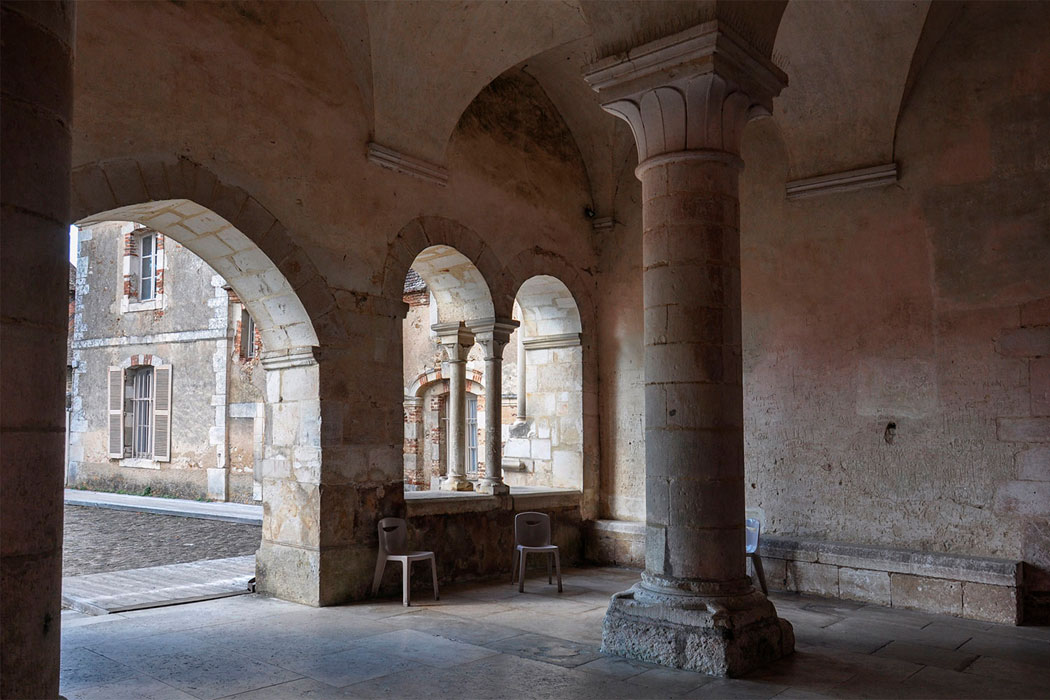
Narthex
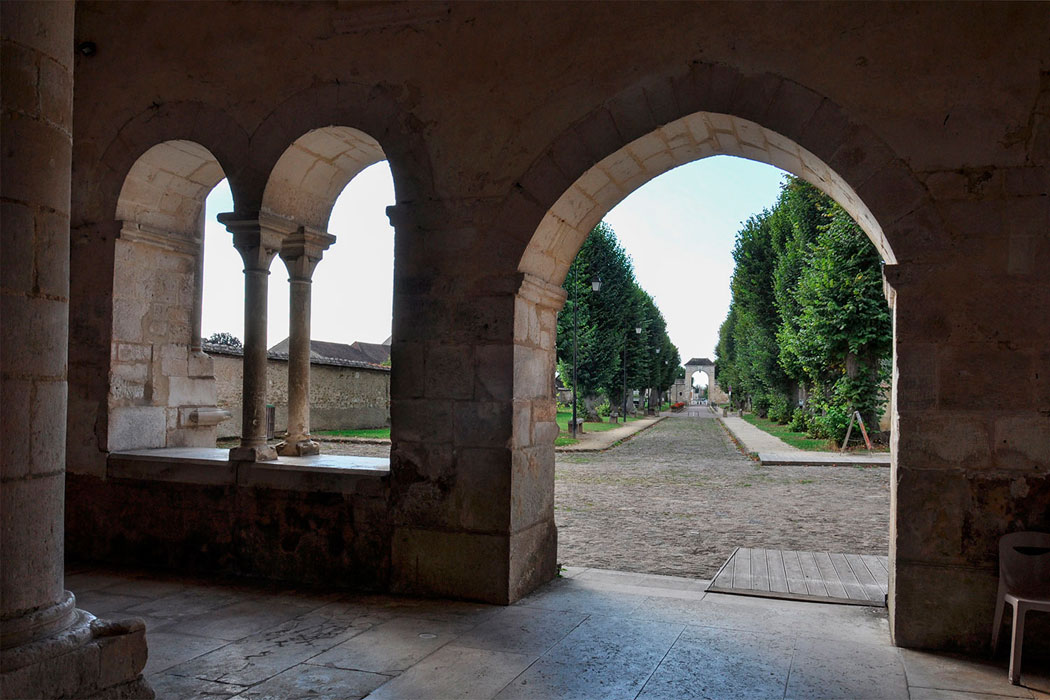
Narthex
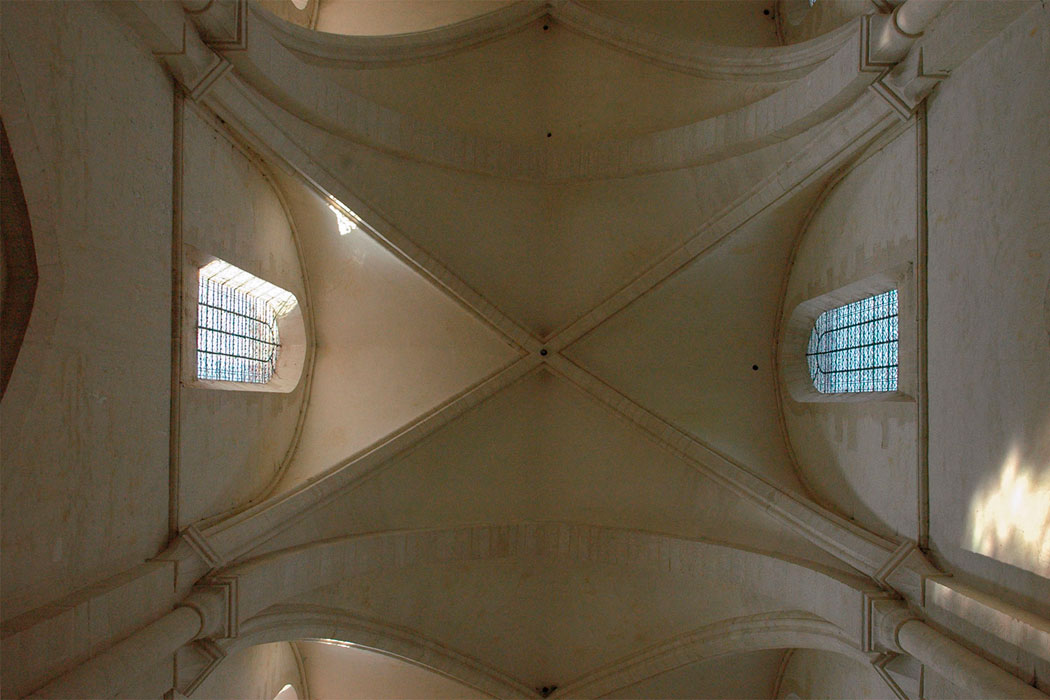
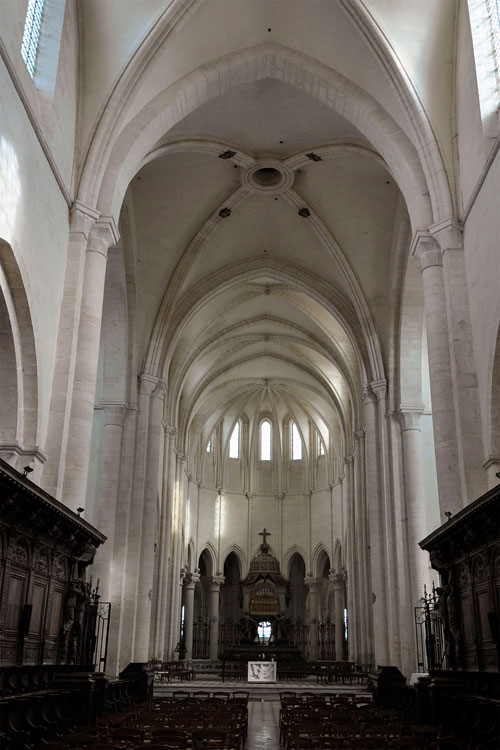
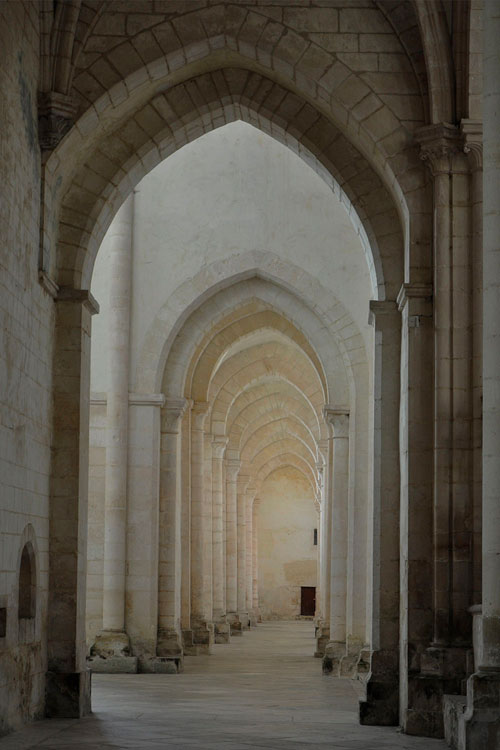
From 1790 onwards, the abbey was affected by the French Revolution. The community dispersed and some of the buildings fell into ruin. The church survived thanks to the popularity of the devotion to Saint Edmund: in 1801, it became a parish church, and in 1840 it was listed as a historic monument. The large abbey church survives. It is preceded by an atrium and consists of three aisles and a transept with lateral chapels. The eastern end comprises the chancel, surrounded by an ambulatory with radiating chapels. Some structures belonging to the other monastic buildings also survive.
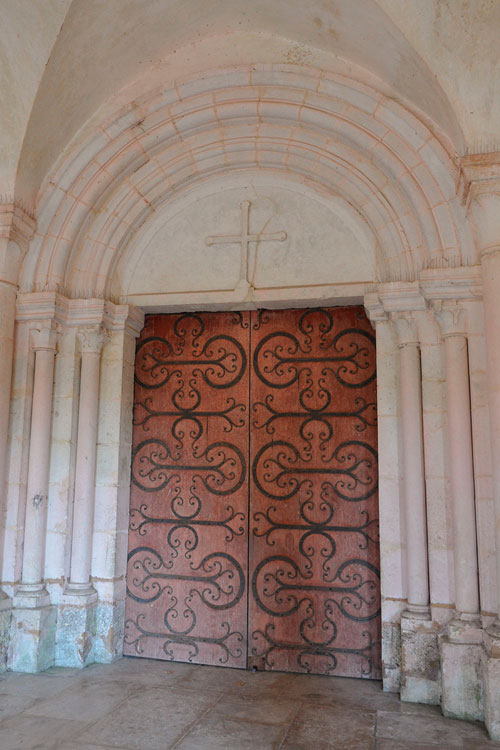
Church portal
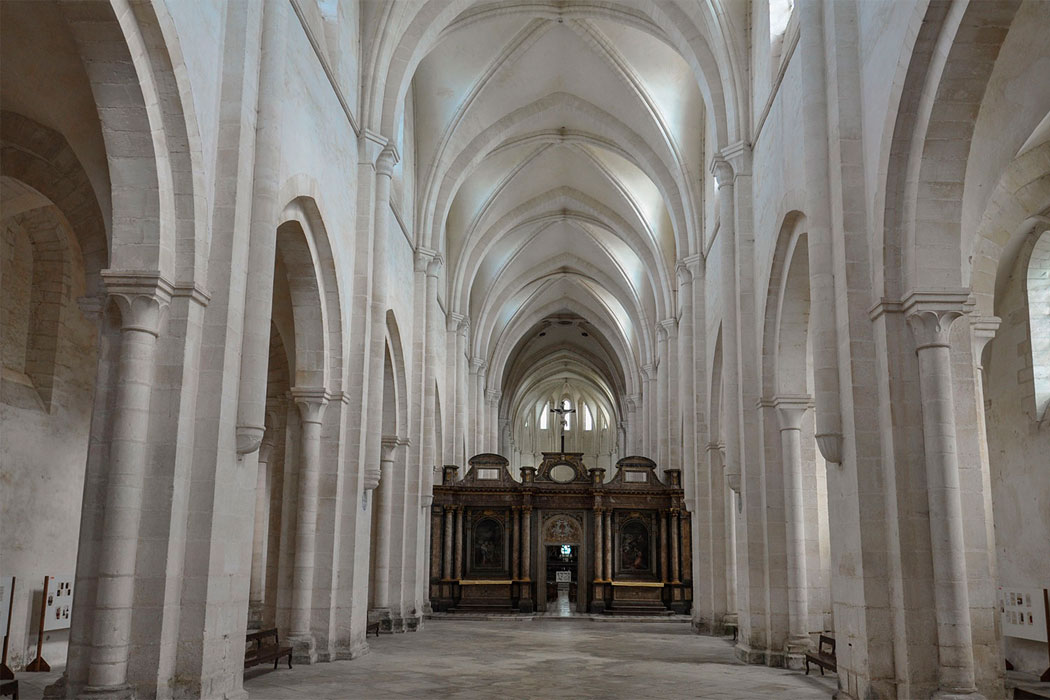
Affiliation of Pontigny
According to Originum Cisterciensium (L. Janauschek, 1877)Cîteaux Abbey (Côte-d’Or) / 1098
Pontigny Abbey (Yonne) / 1114
Bourras Abbey (Nièvre) / 1119
Cadouin Abbey (Dordonya) / 1119
Fontainejean Abbey (Loiret) / 1124
Jouy Abbey (Seine-et-Marne) / 1124
Abbey of Saint-Sulpice in Bugey (Ain) / 1133
Quincy Abbey (Yonne) / 1133
Les Roches Abbey (Nièvre) / 1137
Abbey of Notre-Dame du Pin (Vienne) / 1141
Cercamp Abbey (Pas-de-Calais) / 1141
Abadia de l'Estrée (Eure) / 1145
Abbey of Notre-Dame de l’Étoile (Vienne) / 1145
Trizay Abbey (Vendée) / 1145
Châteliers Abbey (Charente-Maritime) / 1156
Egres Abbey (Romania) / 1179
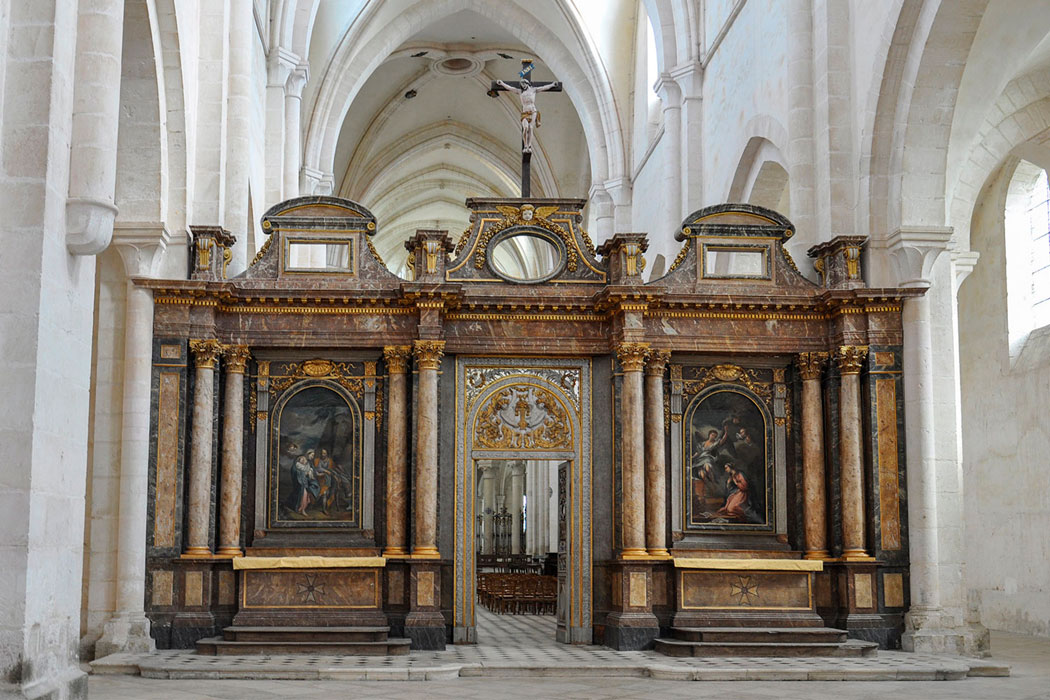
Rood screen
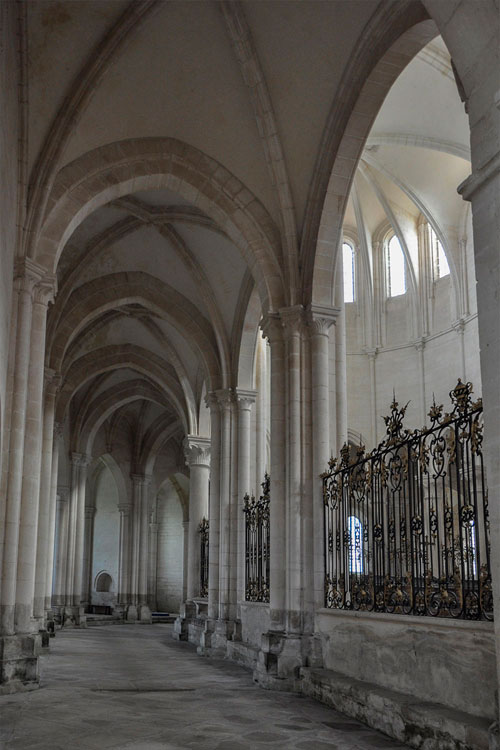
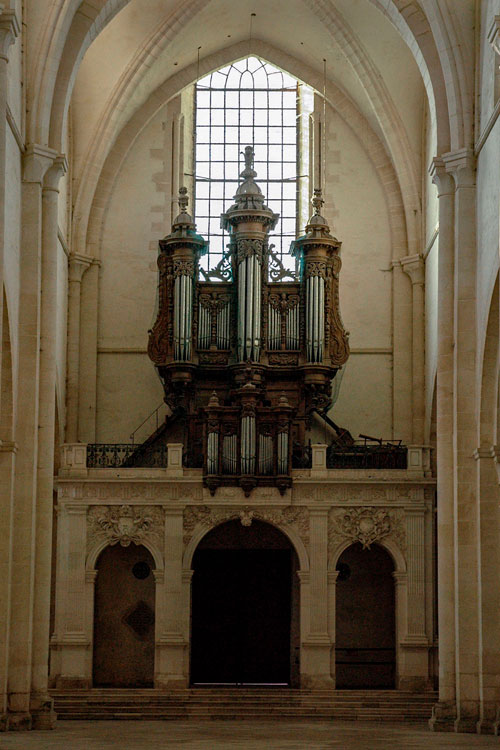
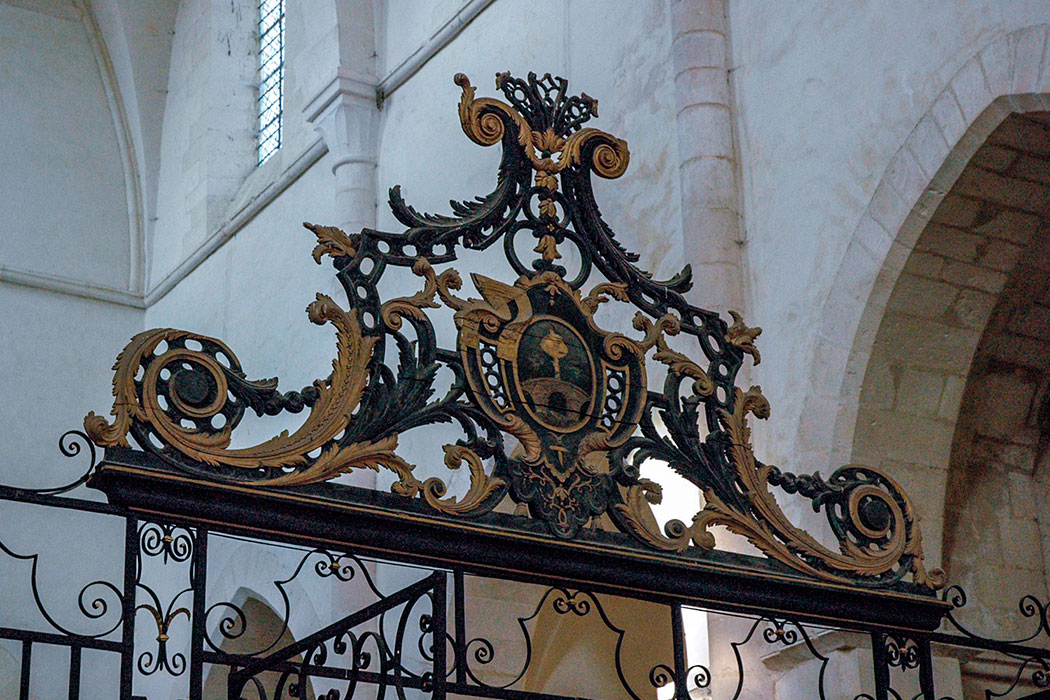
Choir grille
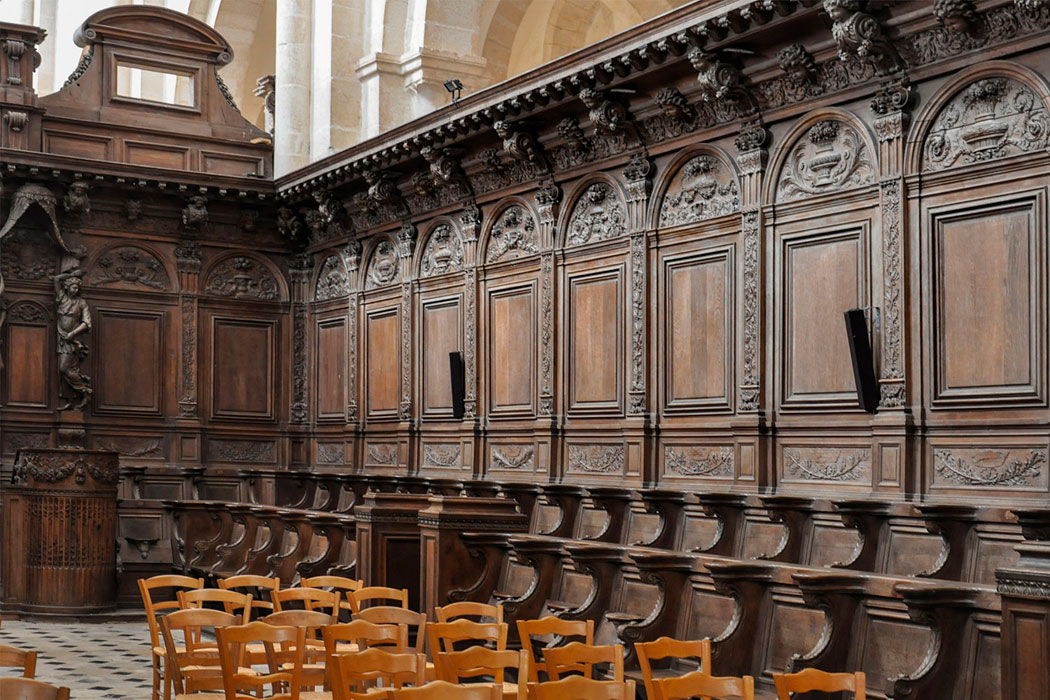
Choir-stalls
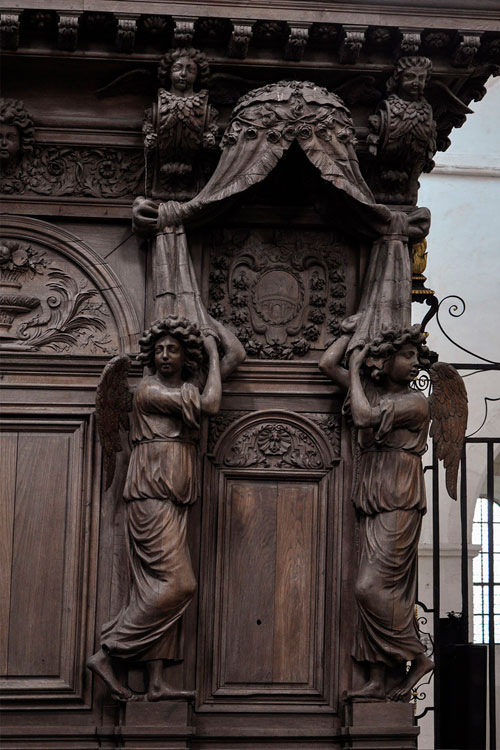
Choir-stalls
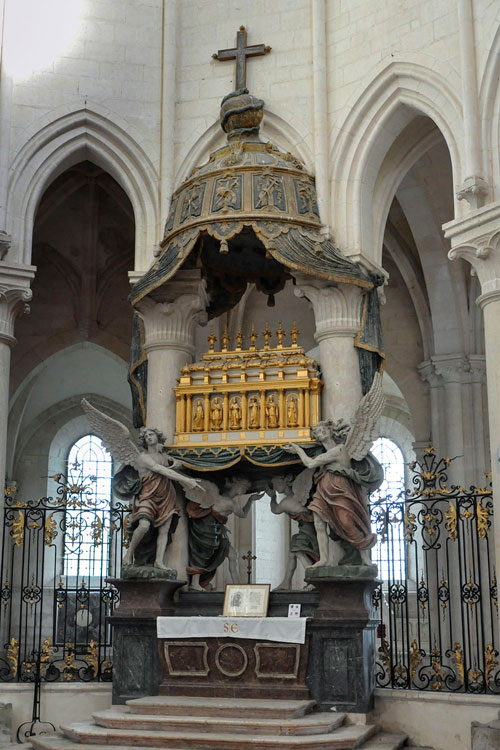
Altar and tomb of Saint-Edme (1749)
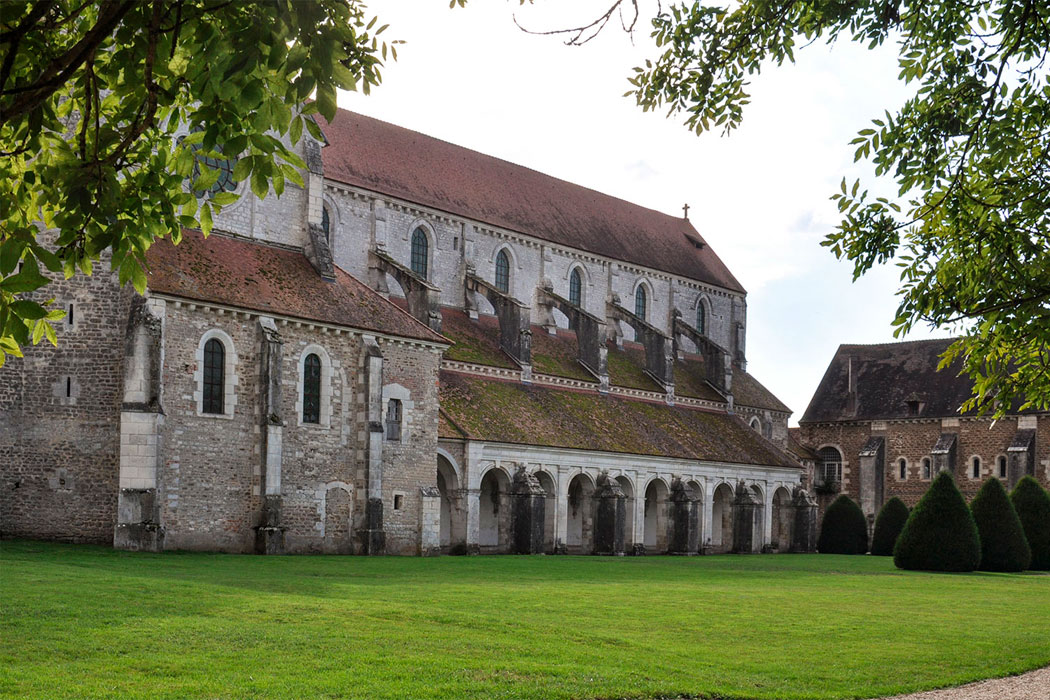
North façade of the church with the cloister gallery
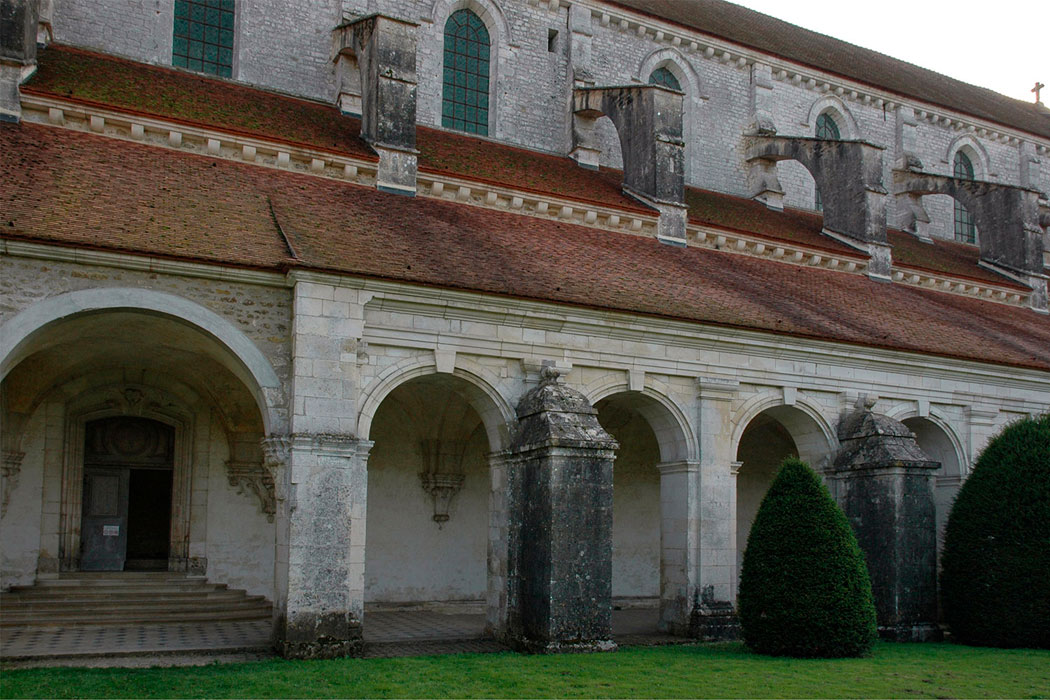
Cloister
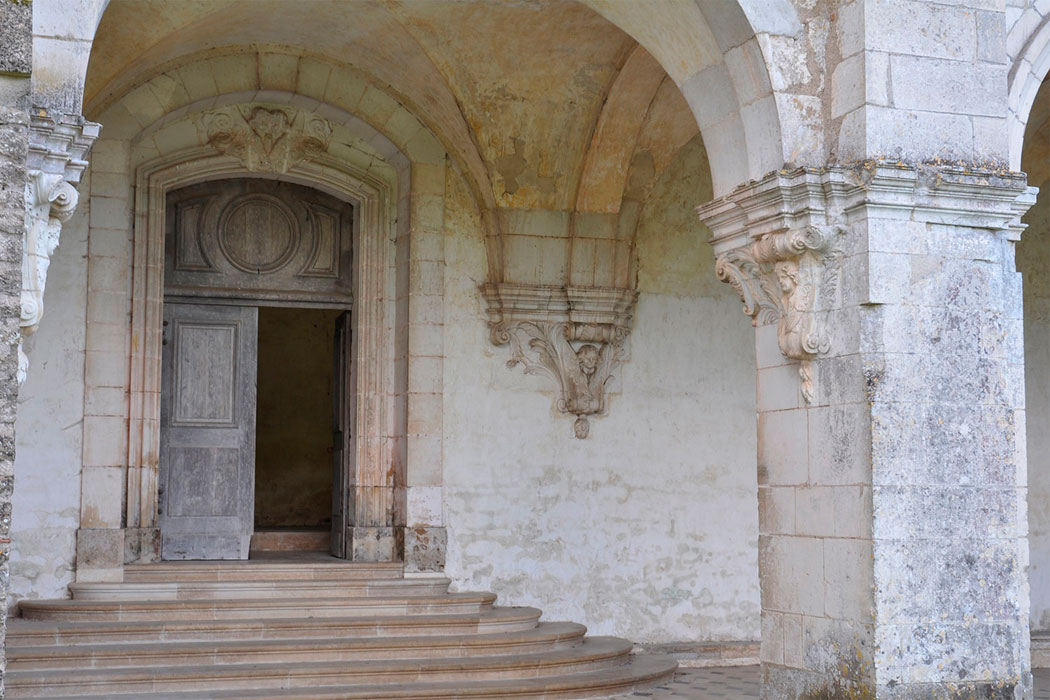
Cloister. Church portal
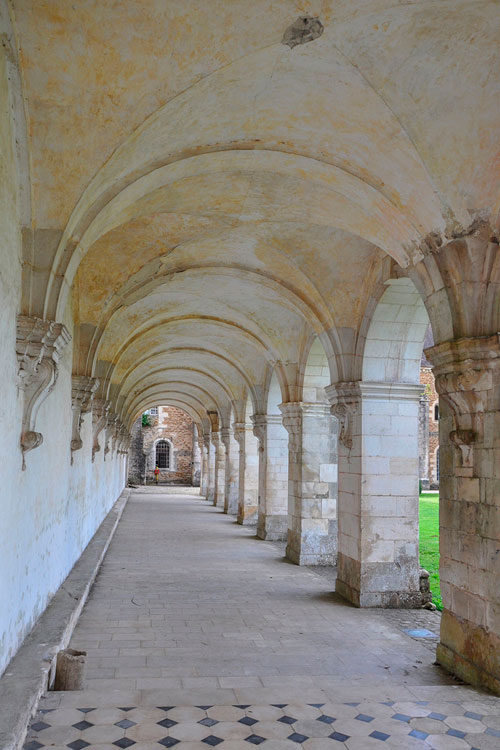
Cloister
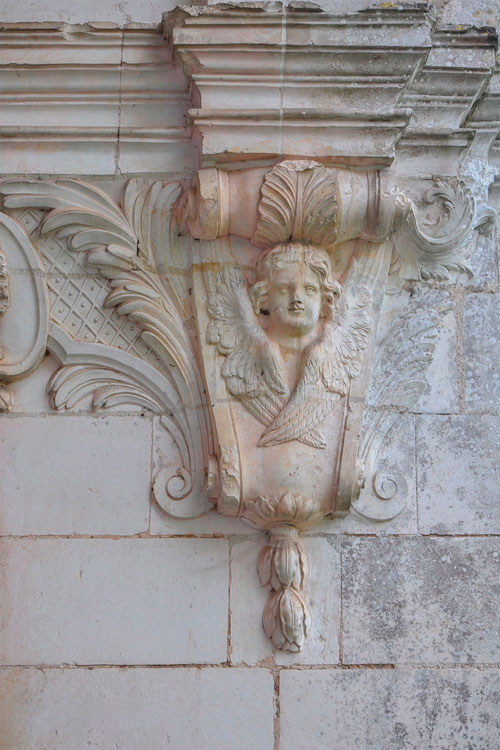
Cloister
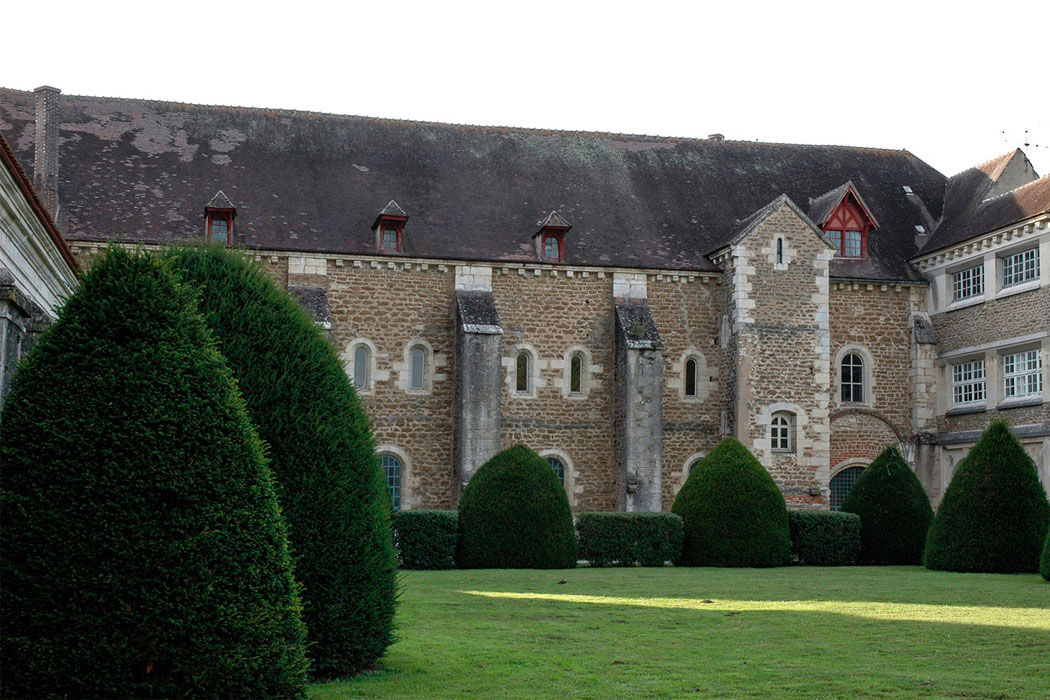
Lay brothers wing
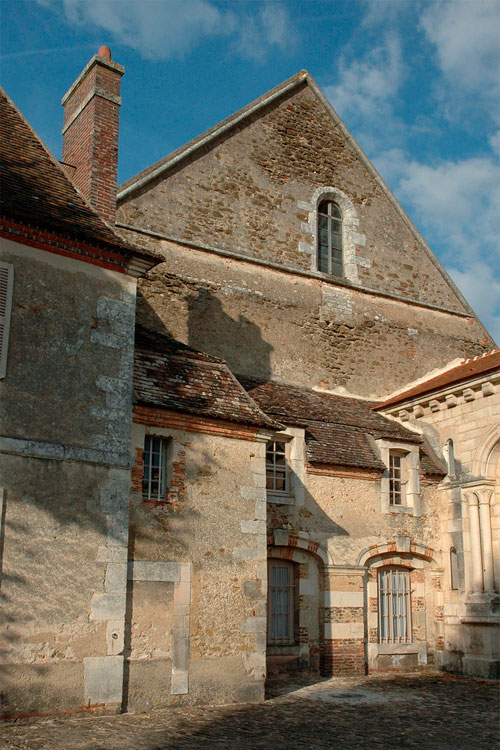
Lay brothers wing, next to the narthex
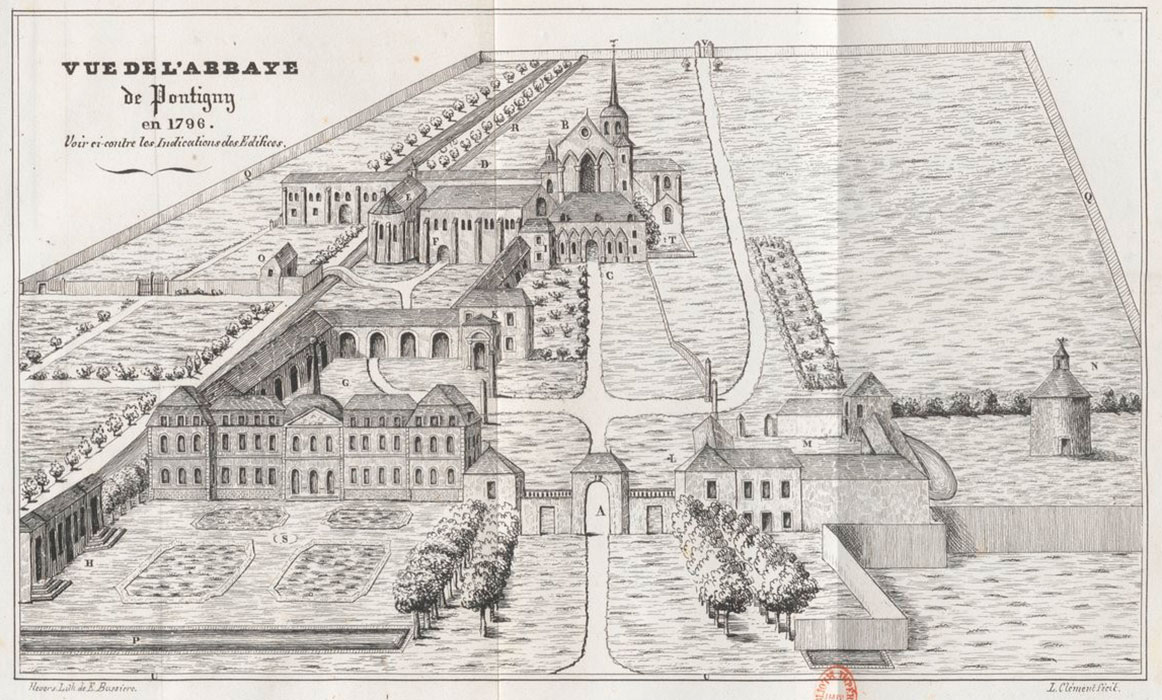
View of Pontigny, 1796
Histoire de l'abbaye de Pontigny (1839)
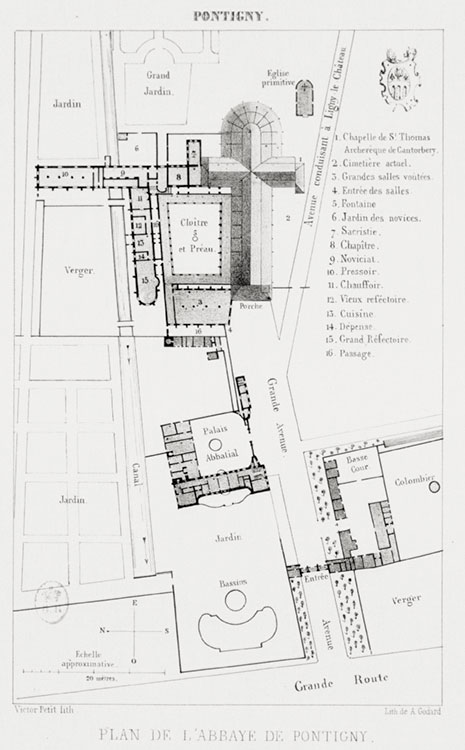
Plan of the abbey
Illustration from L'abbaye de Pontigny (1844)
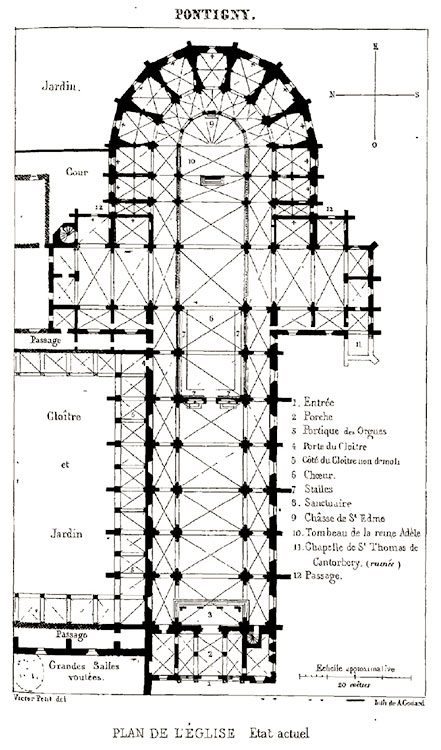
Church floor plan
Illustration from L'abbaye de Pontigny (1844)
- BENOIT, Jean-Luc (1997). Les origines de Pontigny ou la naissance de la seconde fille de Cîteaux. Auxerre: BSFAY
- BENOIT, Jean-Luc (1999). Les trois premiers abbés de Pontigny (1114-1174). Auxerre: BSFAY
- CHAILLOU DES BARRES, Claude-Étienne (1844). L'abbaye de Pontigny. París: A. Vaton
- COTTINEAU, Laurent-Henri (1939). Répertoire topo-bibliographique des abbayes et prieurés. Vol. 2. Mâcon: Protat
- FONTAINE, Georges (1928). Pontigny, abbaye cistercienne. París: Lib. Ernest Leroux
- HÉLIAS-BARON, Marlène (2004). Chronologie des quatre premières filles de Cîteaux. La Ferté-sur-Grosne, Pontigny, Clairvaux et Morimond. Hypothèses 2004/1
- JANAUSCHEK, Leopoldus (1877). Originum Cisterciensium. Vol. 1. Viena
- KINDER, Terryl N. (2010). L’abbaye de Pontigny. Éditions du Patrimoine
- SAINT-MAUR, Congregació de (1770). Gallia Christiana in provincias ecclesiasticas distributa. Vol. 12. París: Typographia Regia
- WAAST-BARTHÉLEMY, Henry (1839). Histoire de l'abbaye de Pontigny, ordre de Cîteaux. Auxerre: Maillefer
- WIÉNER, Claude (1994). Pontigny. Zodiaque. La Pierre-qui-Vire
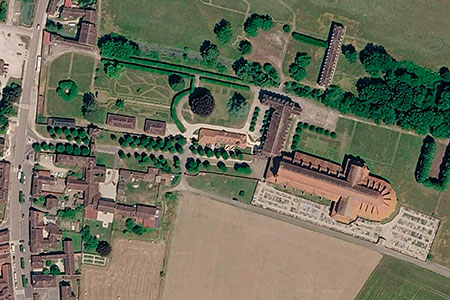
Pontigny is located northeast of Auxerre