Carmelite Convent of Tours
Saint-Saturnin / Notre-Dame-de-Pitié / Grands Carmes
(Tours, Indre-et-Loire)
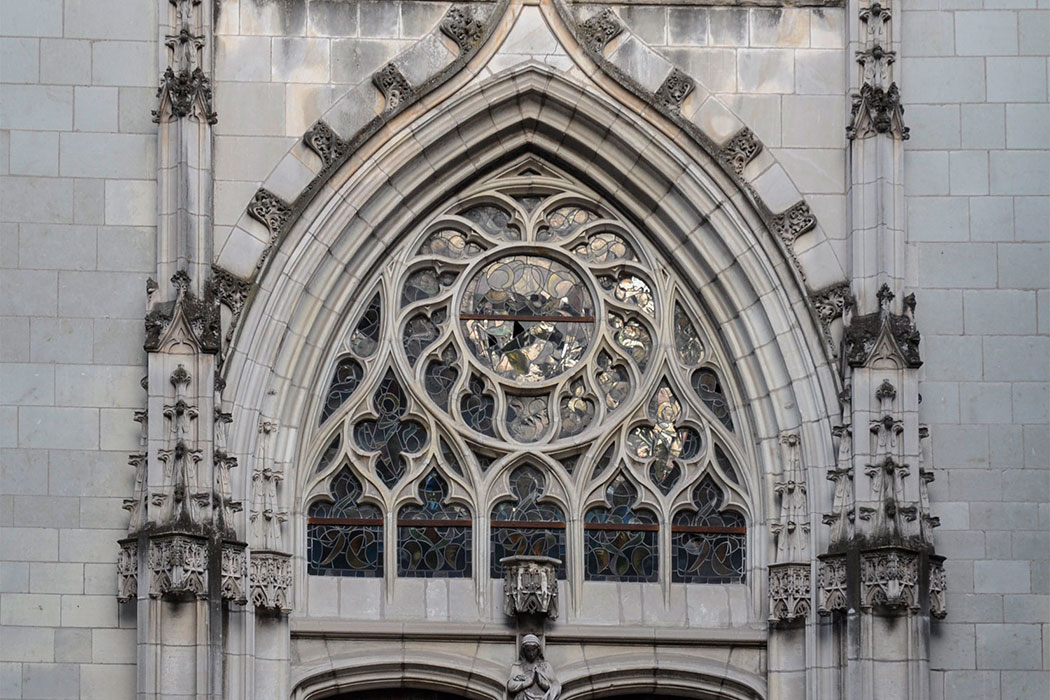
Now church of Saint-Saturnin

The Calced Carmelites are believed to have arrived in Tours during the third quarter of the 13th century, in the reign of Louis IX of France (1214–1270), who encouraged the arrival of friars from the Holy Land. They initially settled in a secluded area southwest of the city's historic centre, but in 1324 they moved to a new site near the collegiate church of Saint-Martin, where they built an initial chapel dedicated to Notre-Dame-de-Pitié.
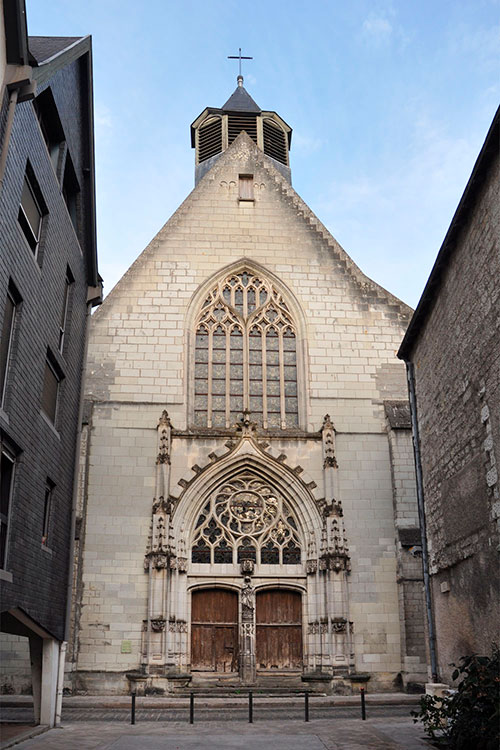
Now church of Saint-Saturnin
The Carmelites faced opposition from other religious institutions that had already been established and saw their rights threatened, including the Benedictines of Saint-Julien and the canons of Saint-Pierre-le-Puellier. This situation delayed the consecration of a new and larger church until 1344. The Hundred Years' War affected this convent for strategic and defensive reasons, and the Carmelites had to rebuild it during the last quarter of the 15th century with the support, among others, of Louis XI. During the 16th century, it continued to suffer from the effects of the Wars of Religion.
By the 18th century, the community had entered a period of decline and, in 1791, as a consequence of the Revolution, the few friars still residing there were forced to leave the convent. The church was preserved and used as a barn, while the remaining conventual buildings gradually disappeared. In 1824, the church was acquired by a private owner and reopened for worship under the dedication of Saint-Saturnin, replacing the parish church of the same name that had been destroyed during the Revolution.
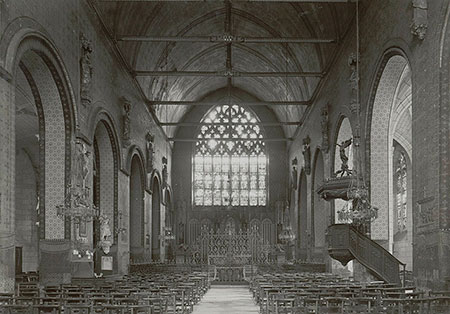
Now church of Saint-Saturnin
Author and date unknown
Université de Strasbourg
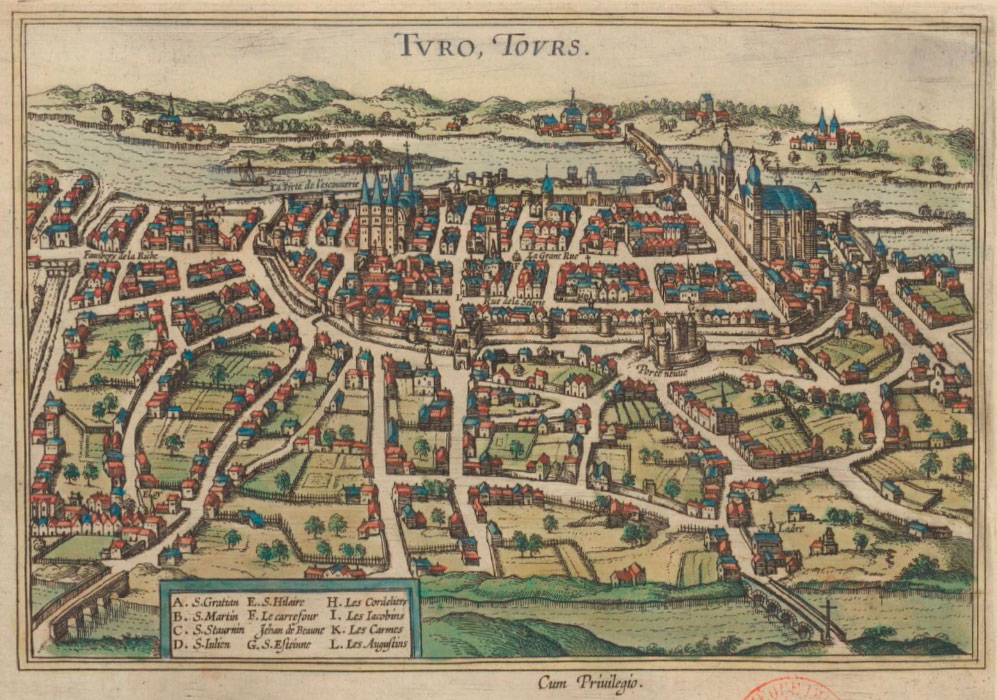
Old church of Saint-Saturnin (C)
Detail of the plan of Turo, Tours (1645)
Bibliothèque nationale de France
- CARRÉ DE BUSSEROLLE, Jacques-Xavier (1884). Dictionnaire géographique, historique et biographique d'Indre-et-Loire et de l'ancienne province de Touraine. Vol. VI. Tours: Rouillé-Ladevèze
- MABIRE LA CAILLE, Claire (1981). Evolution des enclos conventuels des mendiants à Tours (XIIIe-XVIIIe s.). Recueil d'études. Tours
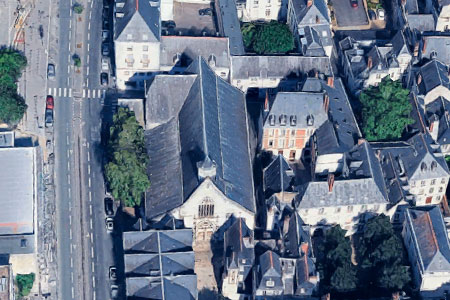
The present church of Saint-Saturnin is located in the historic centre of Tours, north of the Basilica of Saint-Martin and near the Loire River