Abbey of Saint-André-le-Bas
S Andreae Inferioris / S Andree Vienensis / S.-André et S.-Maximin
(Vienne, Isère)
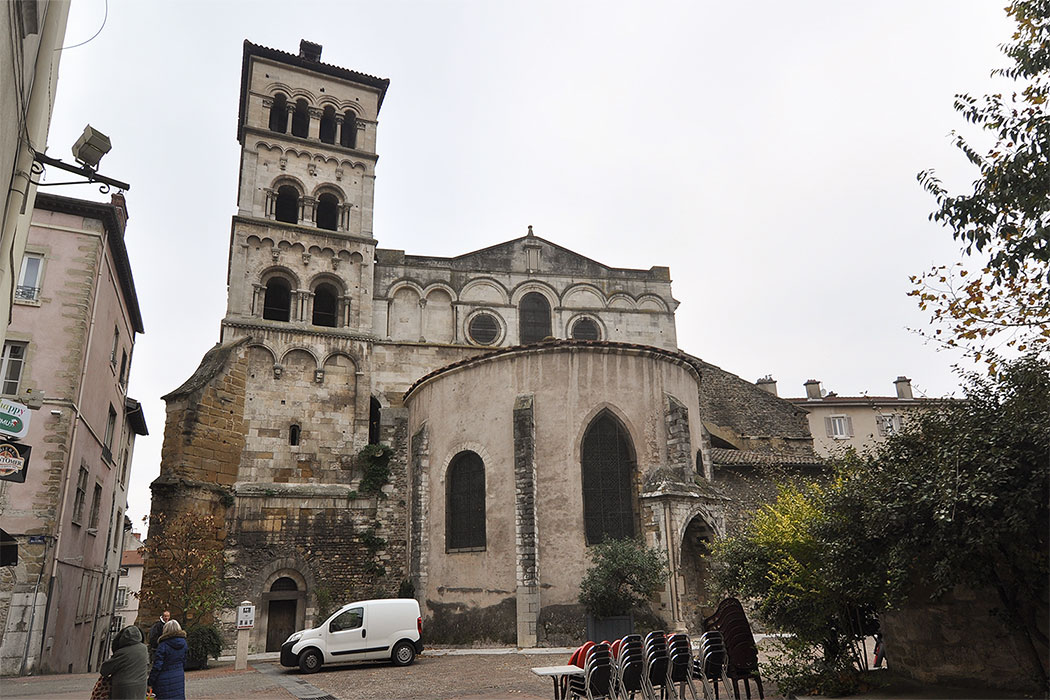

The Abbey of Saint-André-le-Bas in Vienne, now a parish church, stands on slightly elevated ground near the Rhône. Of ancient foundation, it reached its height between the 11th and 12th centuries, when a notable church, the bell tower and the cloister were built, all of which are still preserved.
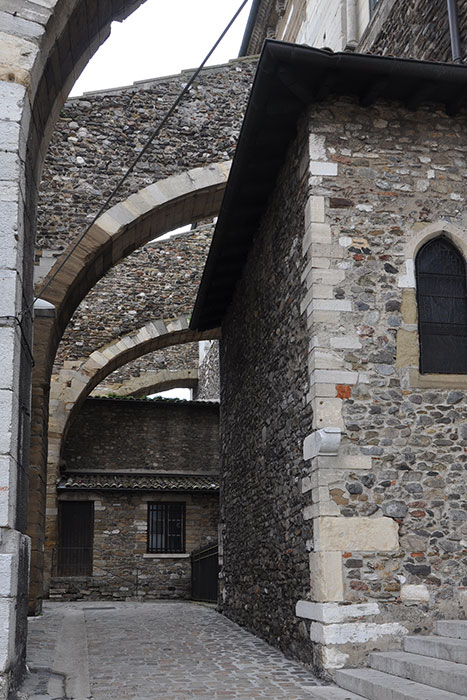
The origins of the monastery remain obscure. Tradition places its foundation in the 6th century, but the document that might confirm this — a donation dated 543 — is regarded as a forgery produced in the 9th century to justify the house’s possessions. Although the first reliable document mentioning Saint-André does not appear until 831, it seems likely that the foundation was much earlier. A short-lived female community may have existed there until the Saracen invasions.
The monastery suffered several invasions and occupations in the 8th and 9th centuries. It was finally restored in 881 at the instigation of Boso (c. 844-887), brother-in-law of Charles the Bald, who established a community of canons there. Shortly afterwards, the monastery is known to have been connected with the house of Burgundy, especially during the time of Conrad III (937-993). The church was even temporarily incorporated into the palace of the kings of Burgundy. Conrad III also introduced the Rule of Saint Benedict. During the 11th and 12th centuries the monastery reached its greatest prosperity; in 1152 the rebuilding of the church and the construction of the present cloister began.
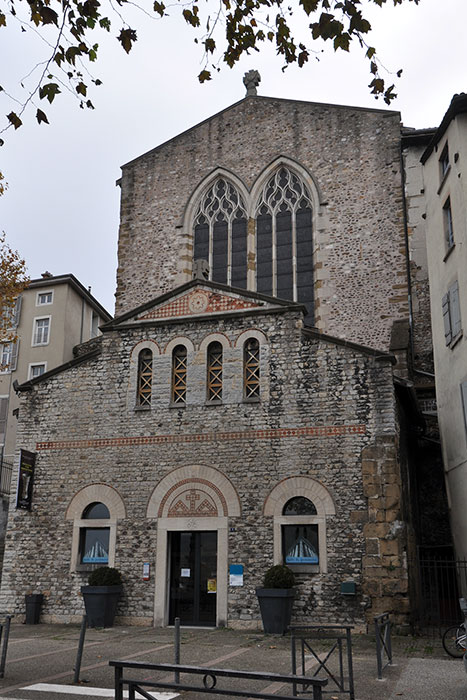
West facade
Gradually, the abbey declined in influence, in parallel with the political decline of its surroundings. The arrival of the mendicant orders further accelerated this decline, which worsened in the 16th century as a result of the Wars of Religion. Owing to its precarious situation, the abbey was suppressed in 1774 and united with that of Saint-Chef (Isère), which had already been secular since 1531. In 1780 the resulting community merged with that of Saint-Pierre, also in Vienne, and moved to the latter monastery. During the Revolution, the complex passed into private hands, but worship was restored in the church, now serving as a parish church. The cloister was restored in 1937-1938 and again in 2010-2011.
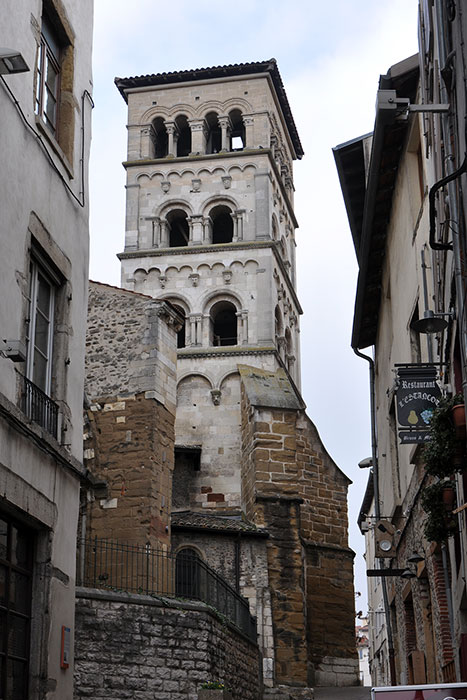
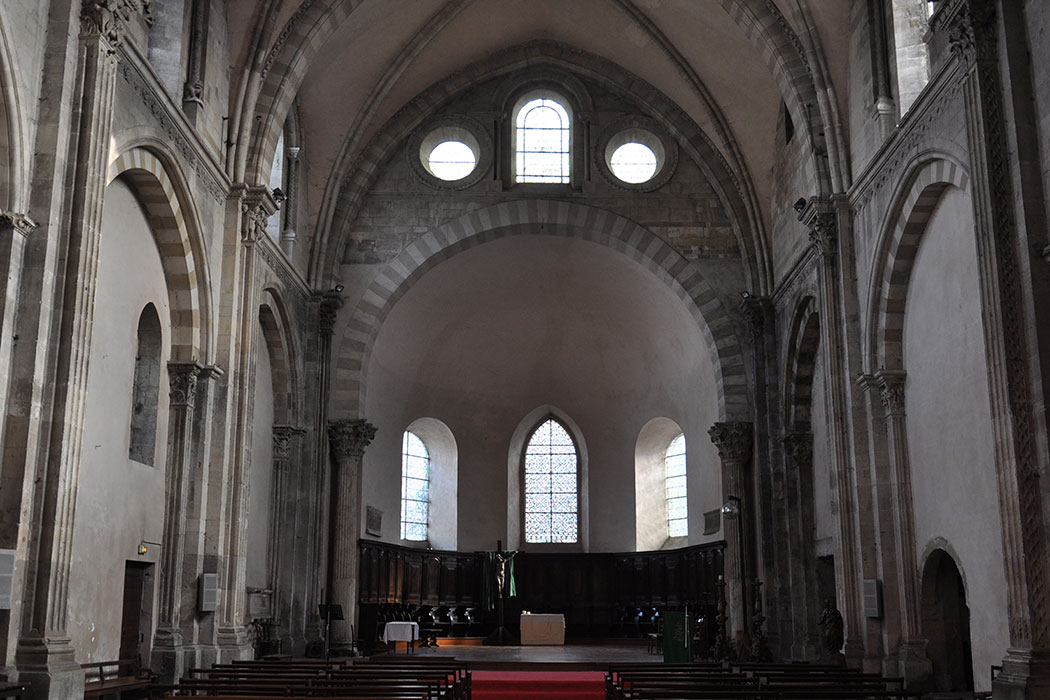
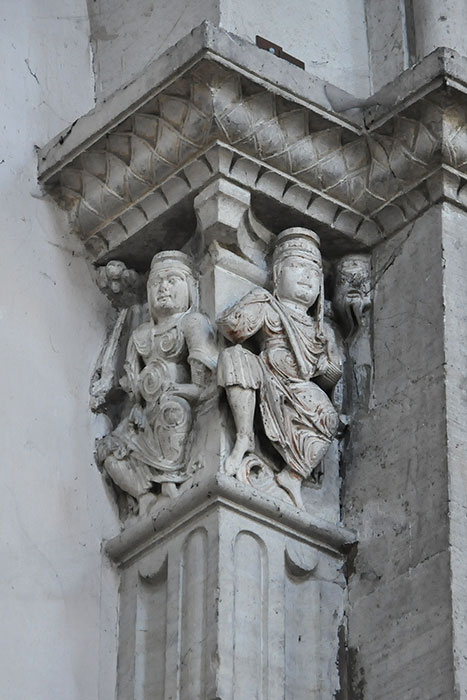
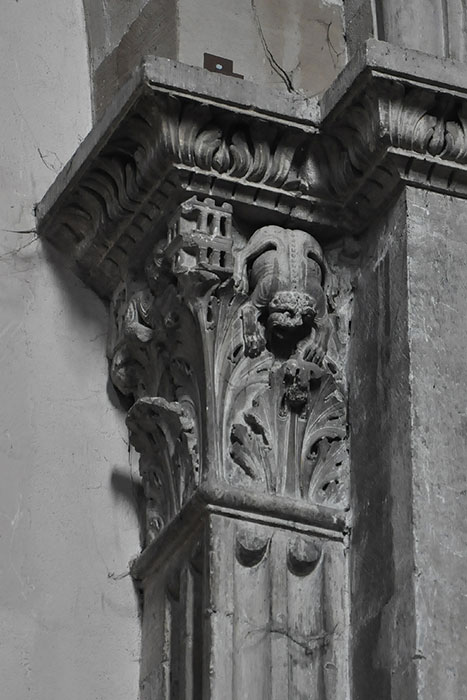
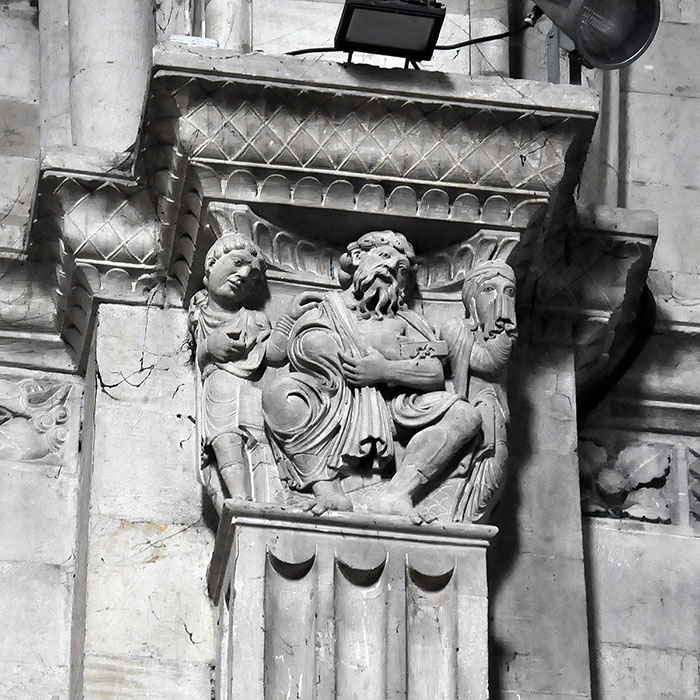
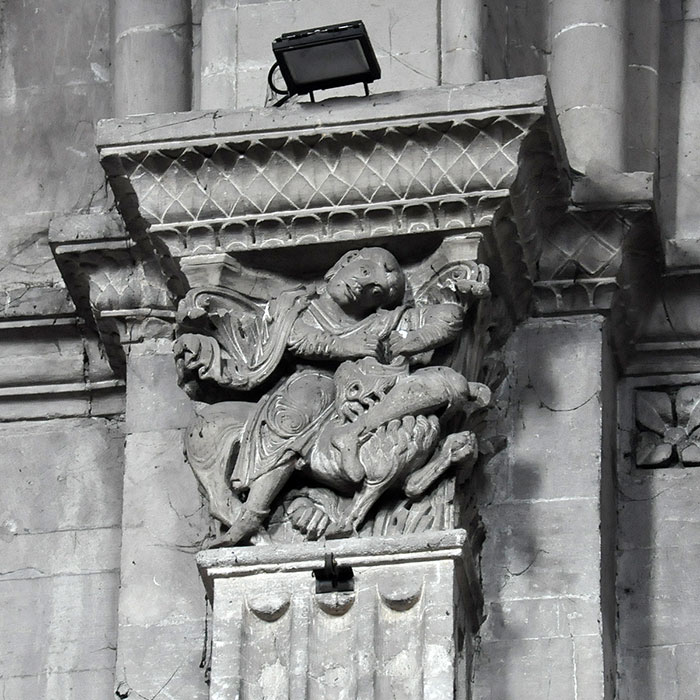
From the Benedictine monastery, the church survives, built over earlier Roman structures in the 11th century and modified from 1152 by the master mason Guillaume Martin, as indicated by an inscription still visible in the building. It is a single-nave structure ending in an apse. The interior is decorated with capitals from this period. The square bell tower adjoins the south side. To the north stands the cloister, trapezoidal in plan due to its adaptation to earlier constructions. It consists of twenty double columns with their capitals, arranged between the supporting piers.
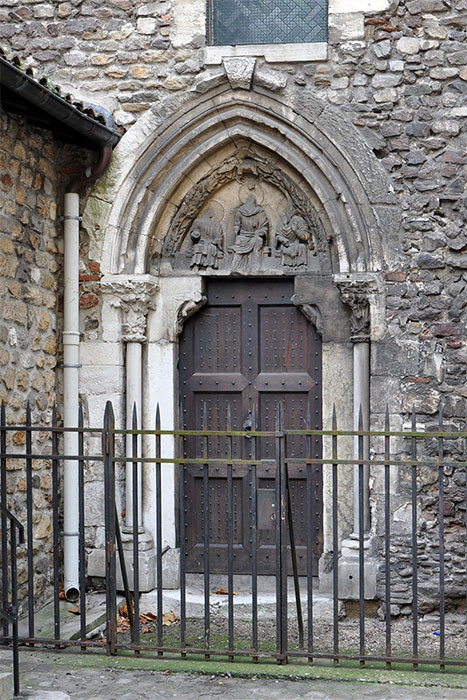
North portal
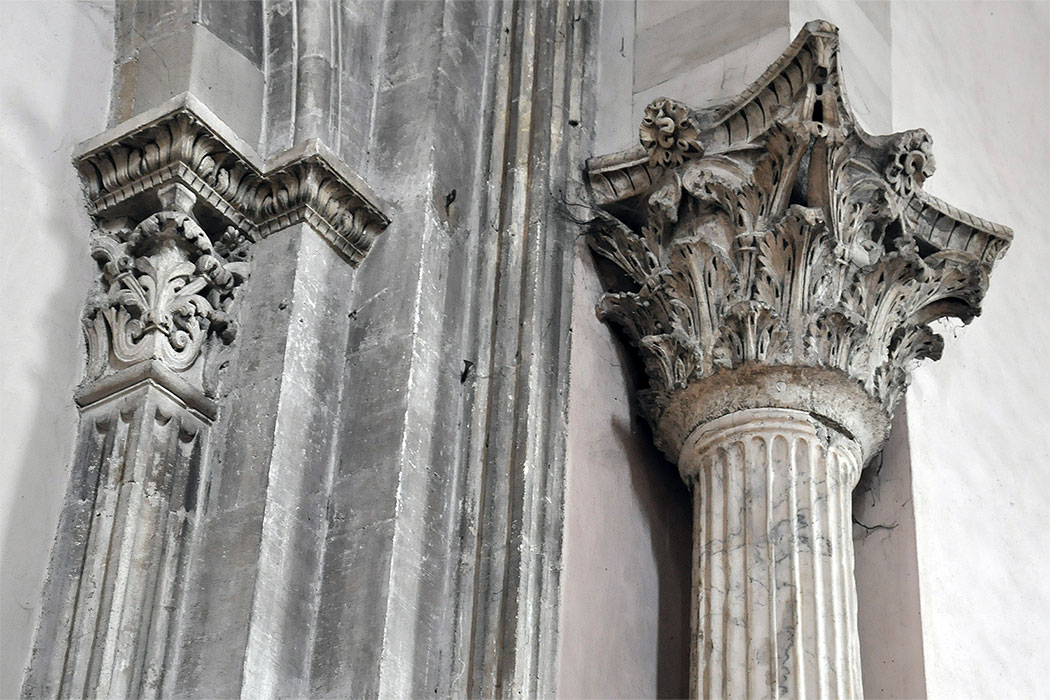
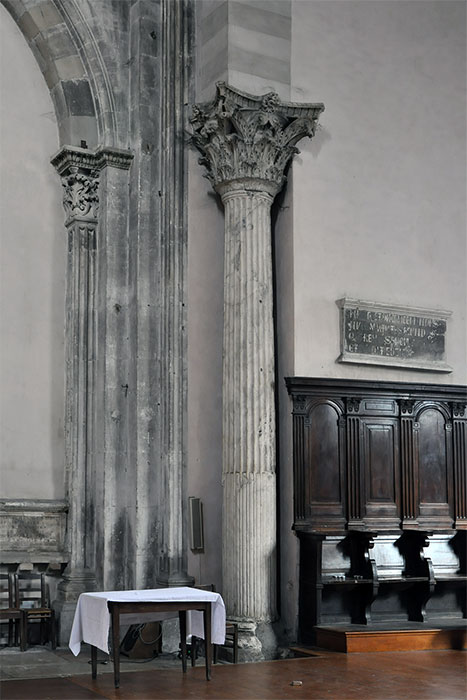
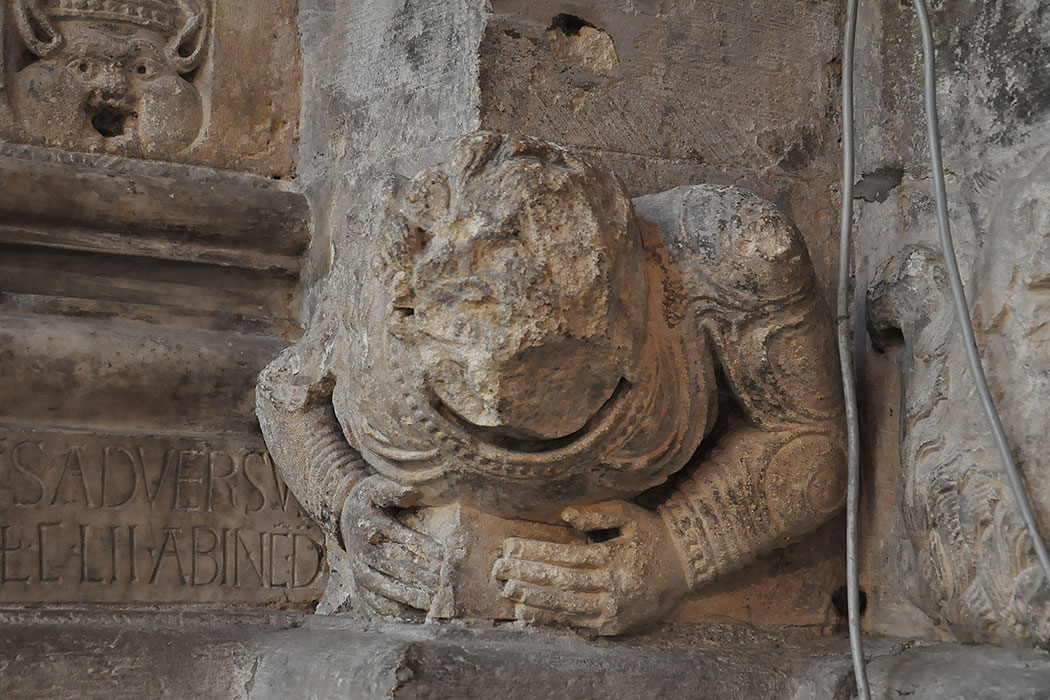
Base of a column
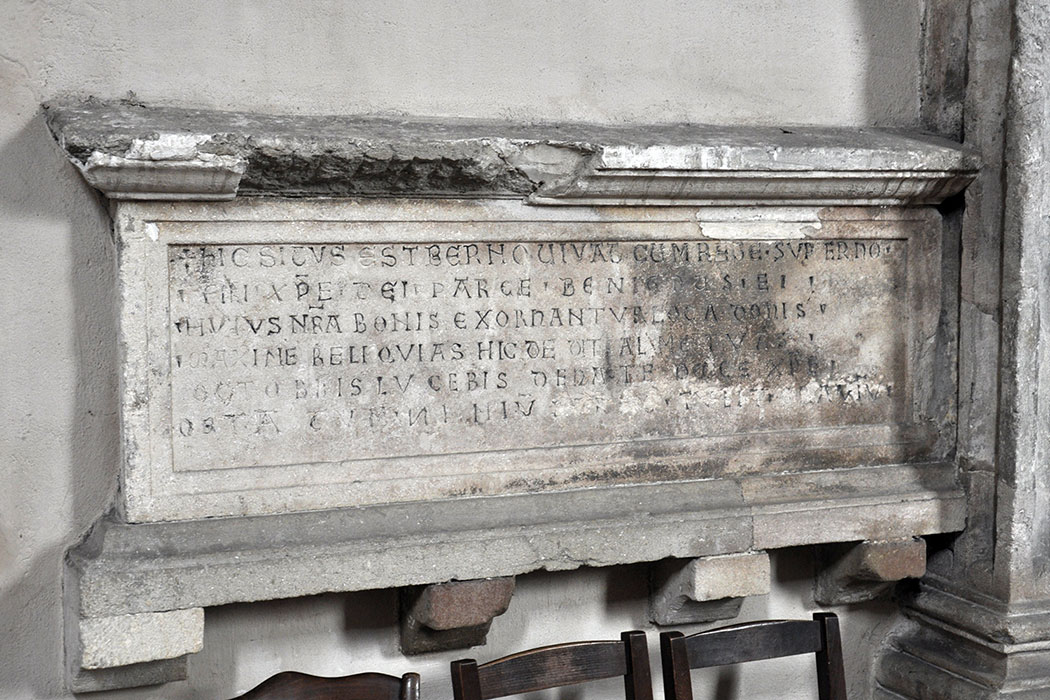
Tomb
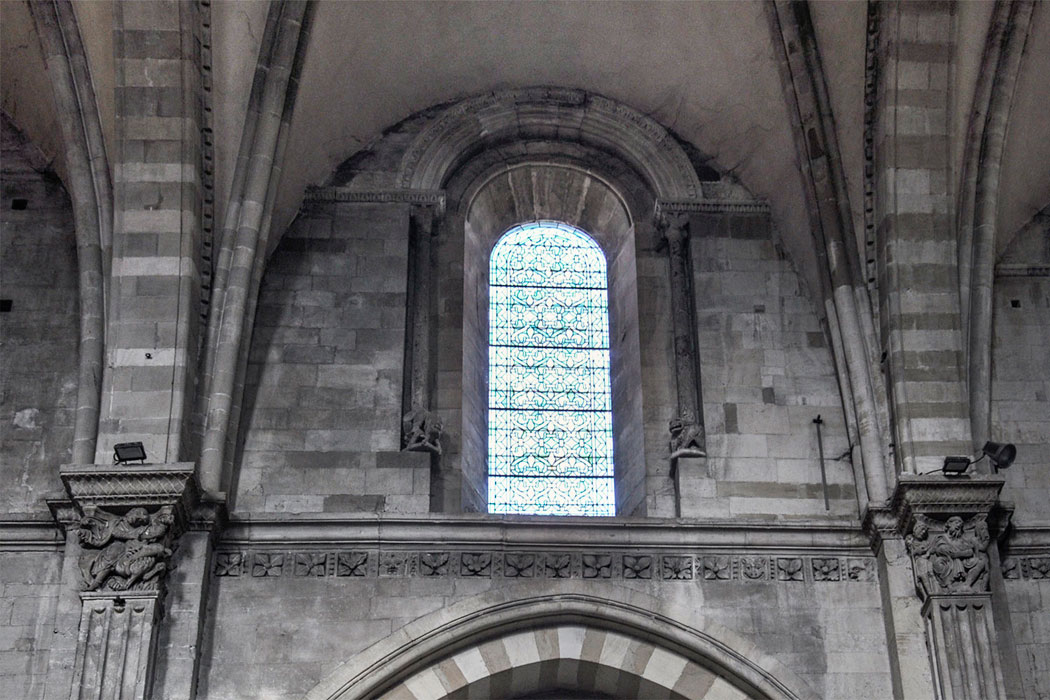
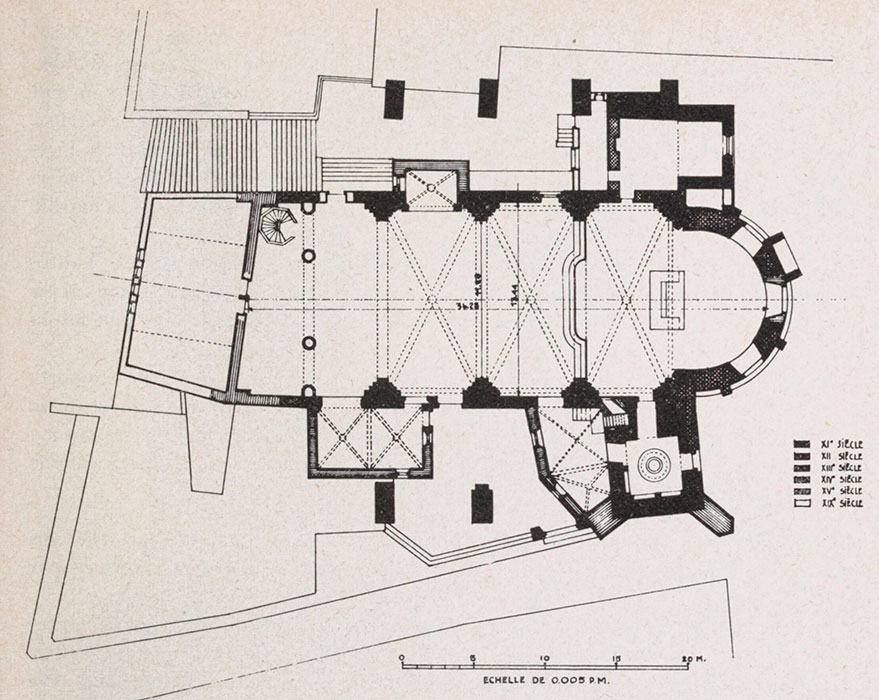
Church floor plan
Published in L’église et le cloître de Saint-André-le-Bas (1974)
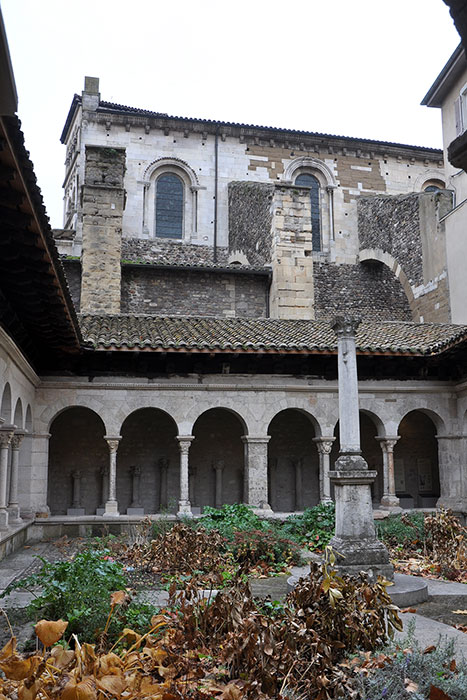
Cloister
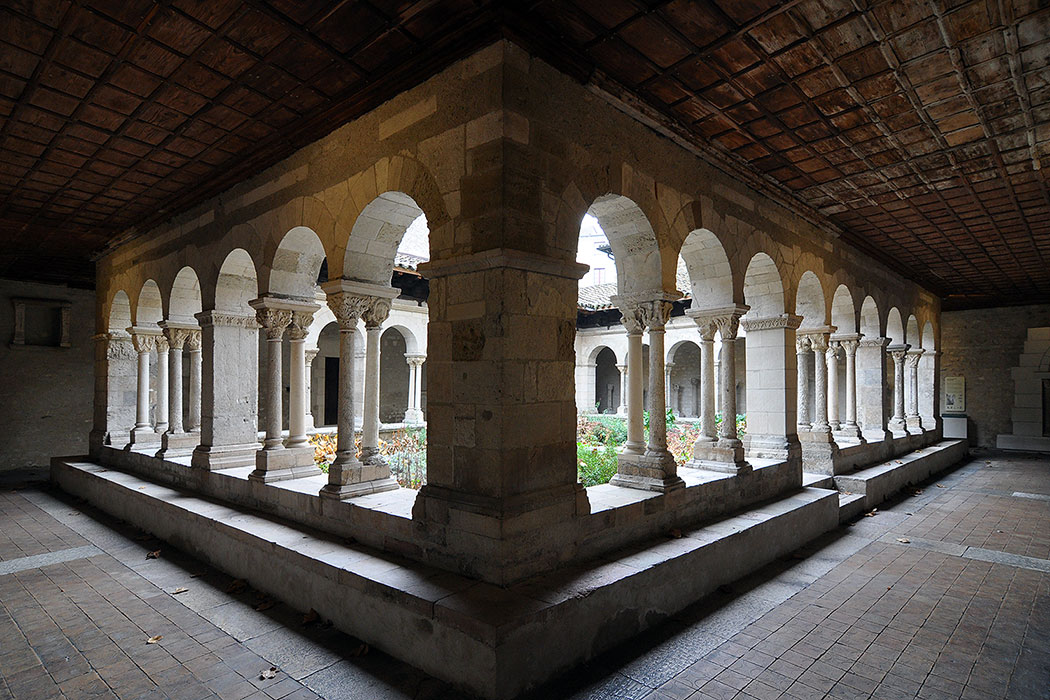
Cloister
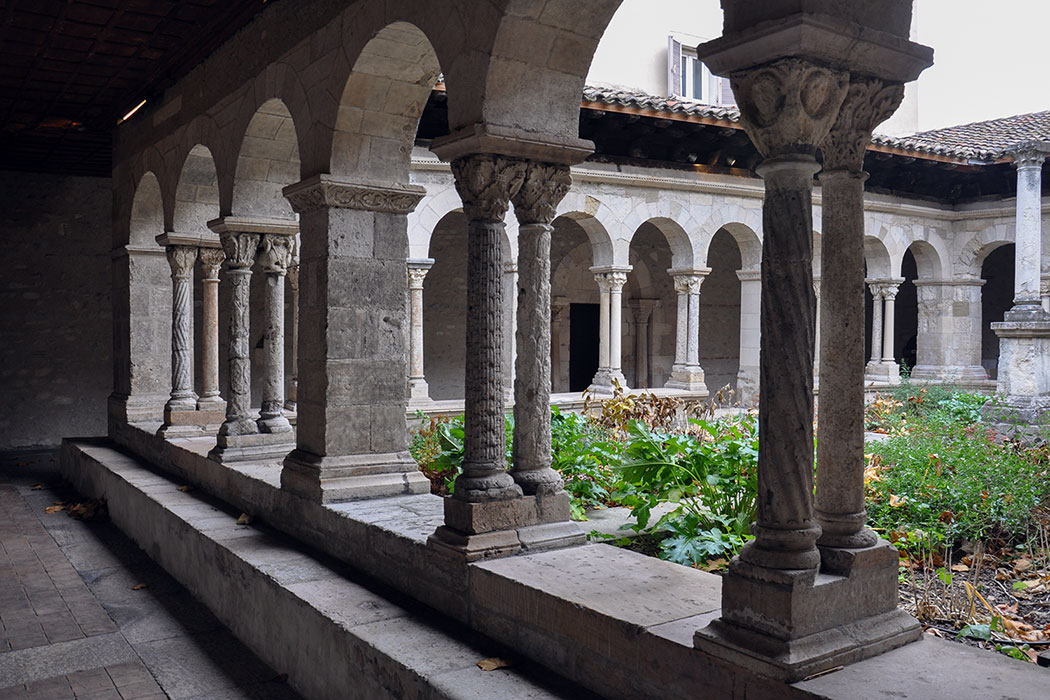
Cloister
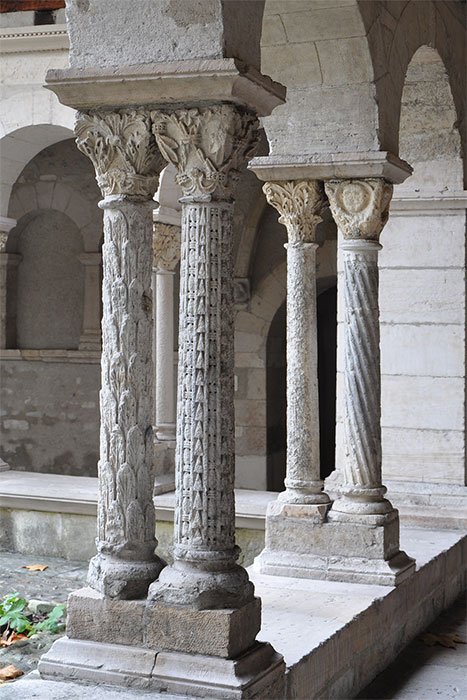
Cloister
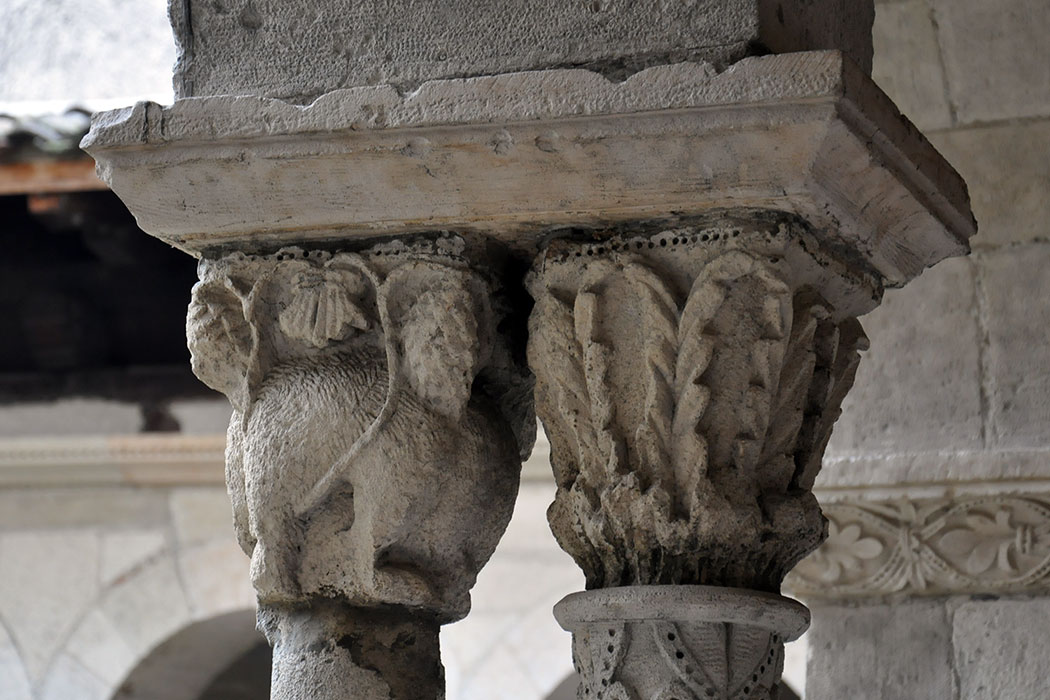
Cloister
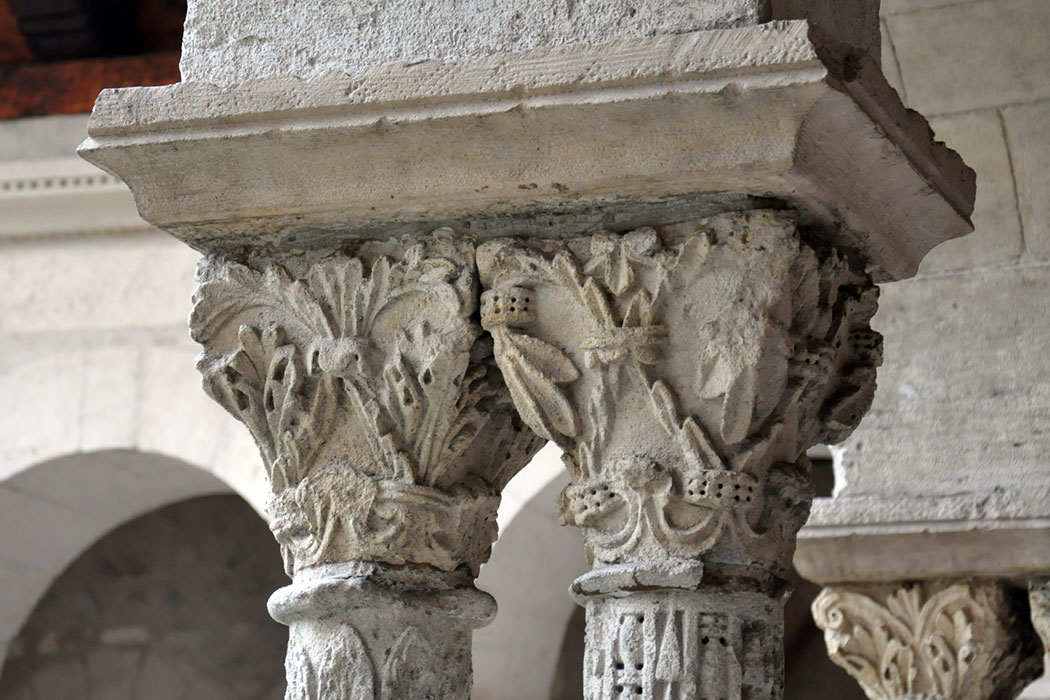
Cloister
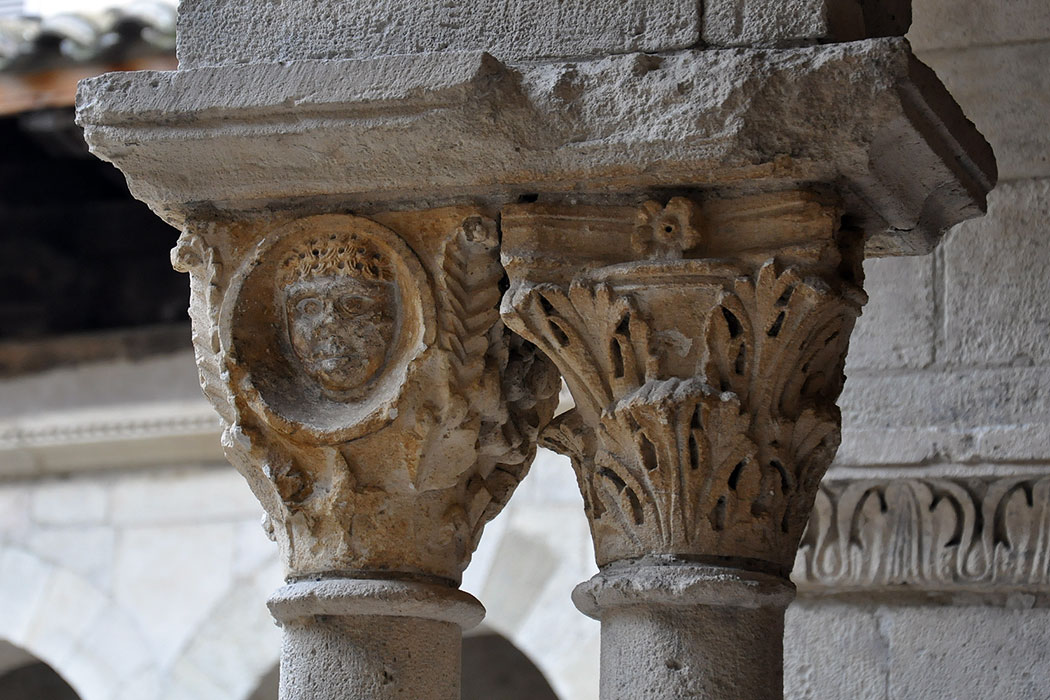
Cloister
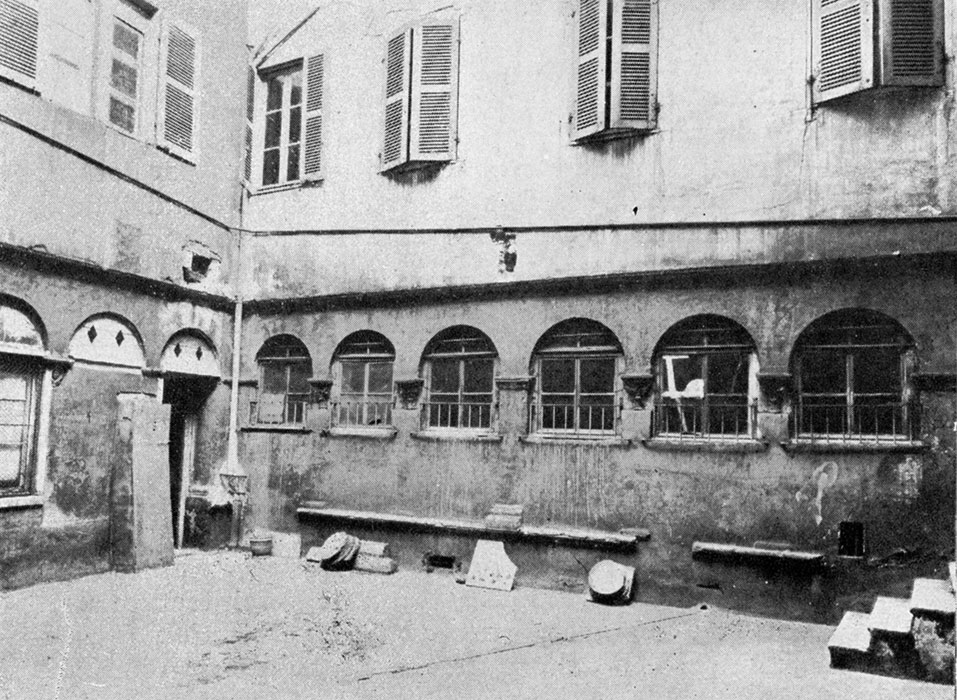
The cloister before restoration
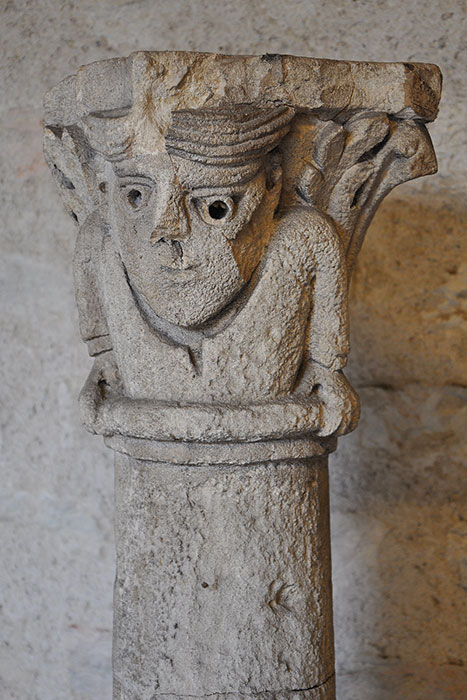
Capital from the bell tower
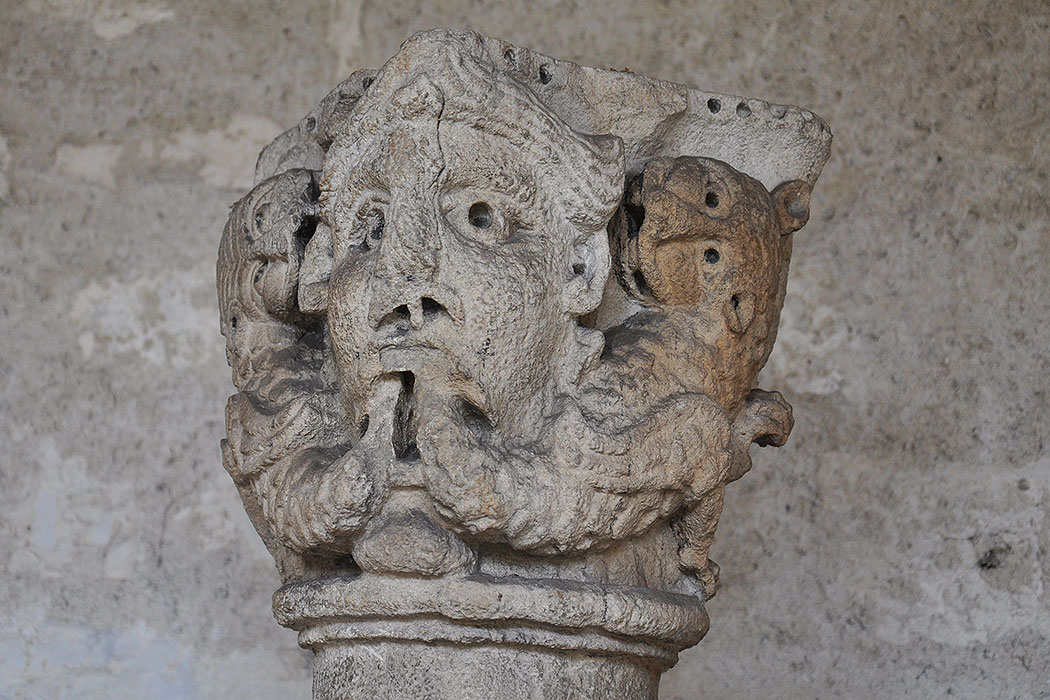
Capital from the bell tower
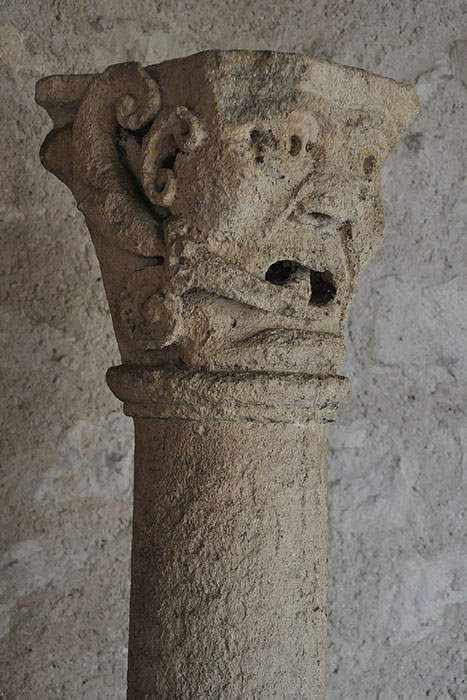
Capital from the bell tower
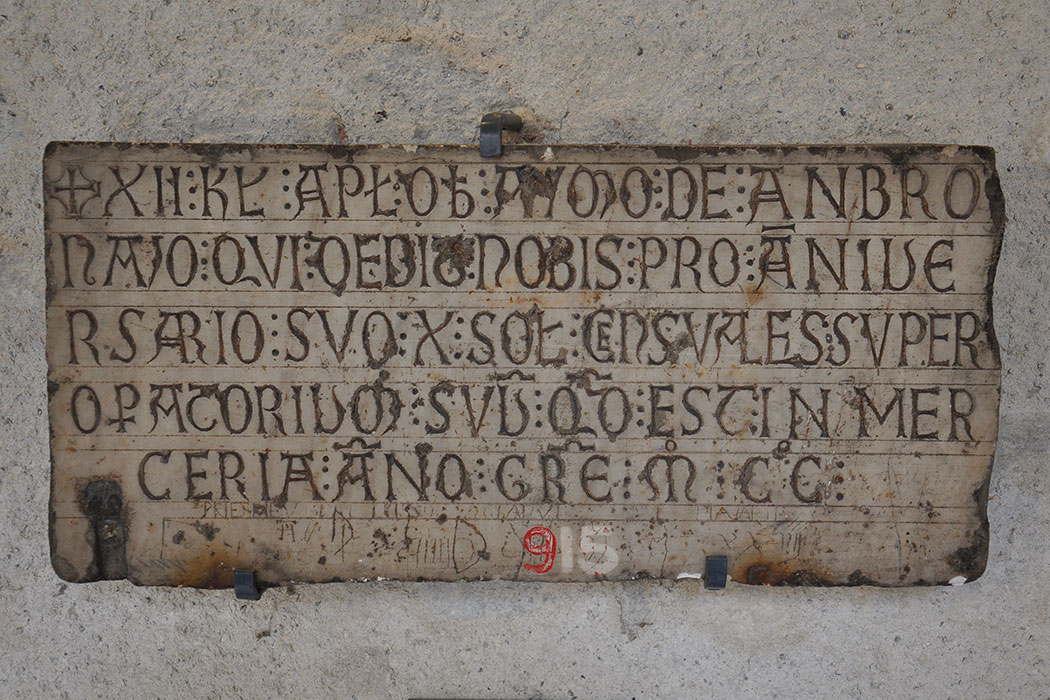
Epitaph (1200)
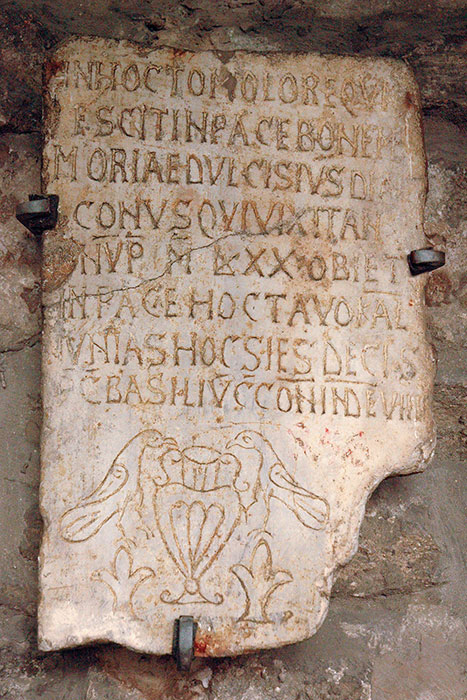
Epitaph of Dulcisius
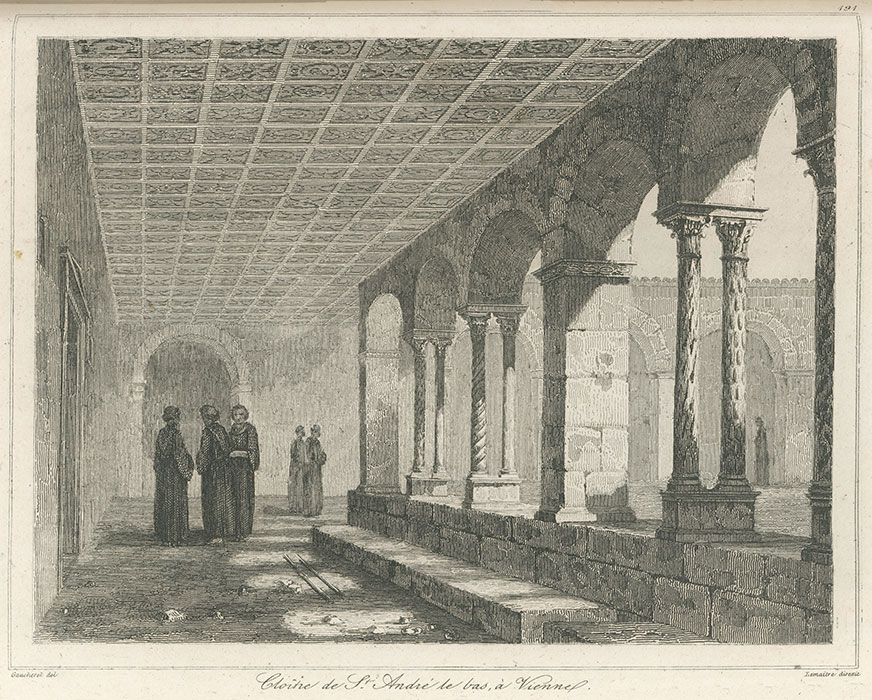
Cloister
Illustration from Historia de la Francia (1841)
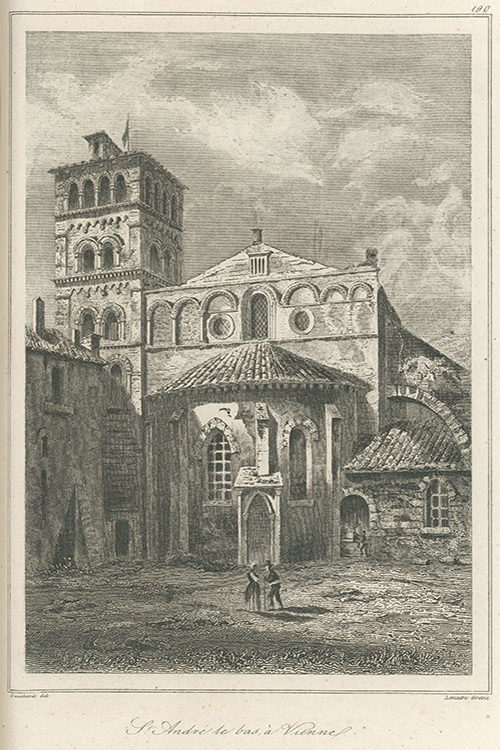
Illustration from Historia de la Francia (1841)
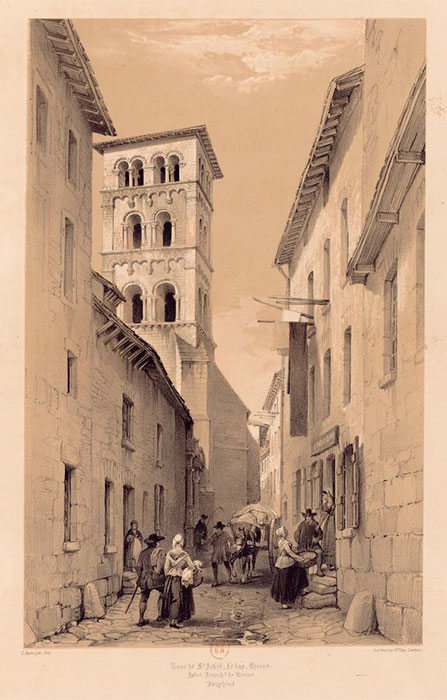
Illustration from Voyages pittoresques et romantiques dans l'ancienne France
Justin Taylor, 1854
Bibliothèque nationale de France
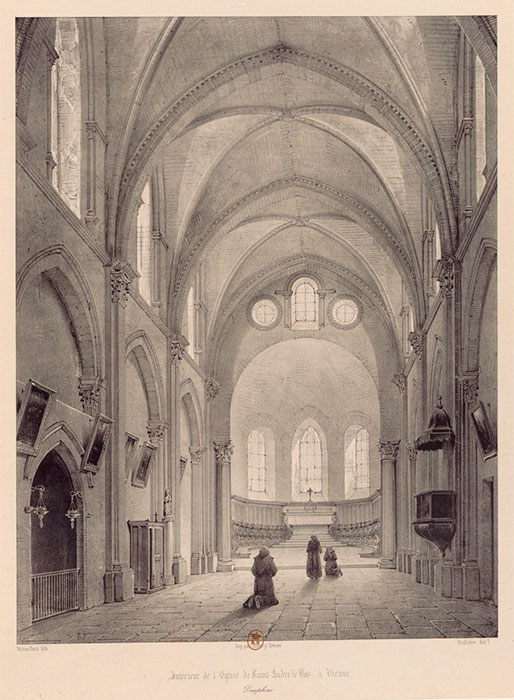
Illustration from Voyages pittoresques et romantiques dans l'ancienne France
Justin Taylor, 1854
Bibliothèque nationale de France
- BARRUOL, Guy (1992). Dauphiné roman. La Nuit des Temps, 77. Zodiaque
- BOISSARD, Emmanuelle (2011). Vienne (Isère). Cloître Saint-André-Le-Bas. Archeodunum
- CHEVALIER, Ulysse (1869). Cartulaire de l'abbaye de Saint-André-Le-Bas-de-Vienne, ordre de Saint Benoît. Lió: Schevring
- COTTINEAU, Laurent-Henri (1939). Répertoire topo-bibliographique des abbayes et prieurés. Vol. 2. Mâcon: Protat
- FORMIGÉ, Jules (1925). Abbaye de Saint-André-le-Bas. Congrès archéologique de France. París: Derache
- LASSALLE, Victor (1974). L’église et le cloître de Saint-André-le-Bas. Congrès archéologique de France, 130 sess. Société française d'archéologie
- LE BAS, Philippe (1841). Historia de la Francia. Vol. 2. Barcelona: Imp. Nacional
- SAINT-MAUR, Congregació de (1865). Gallia Christiana in provincias ecclesiasticas distributa. Vol. 16. París: Firmin Didot
- TAYLOR, J.; i altres (1854). Voyages pittoresques et romantiques dans l'ancienne France. Dauphiné. París: Firmin Didot
- VALLERY-RADOT, Jean (1942). La résurrection du cloître de Saint-André-le-Bas à Vienne. Bulletin Monumental. Num. 101
- WUILLEUMIER, P. ; i altres (1947). Le cloître de Saint-André-le-Bas. Vienne
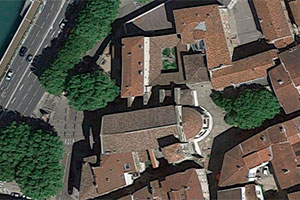
Saint-André-le-Bas (Vienne, Isère) is located in the historic centre of the city, near the Rhône