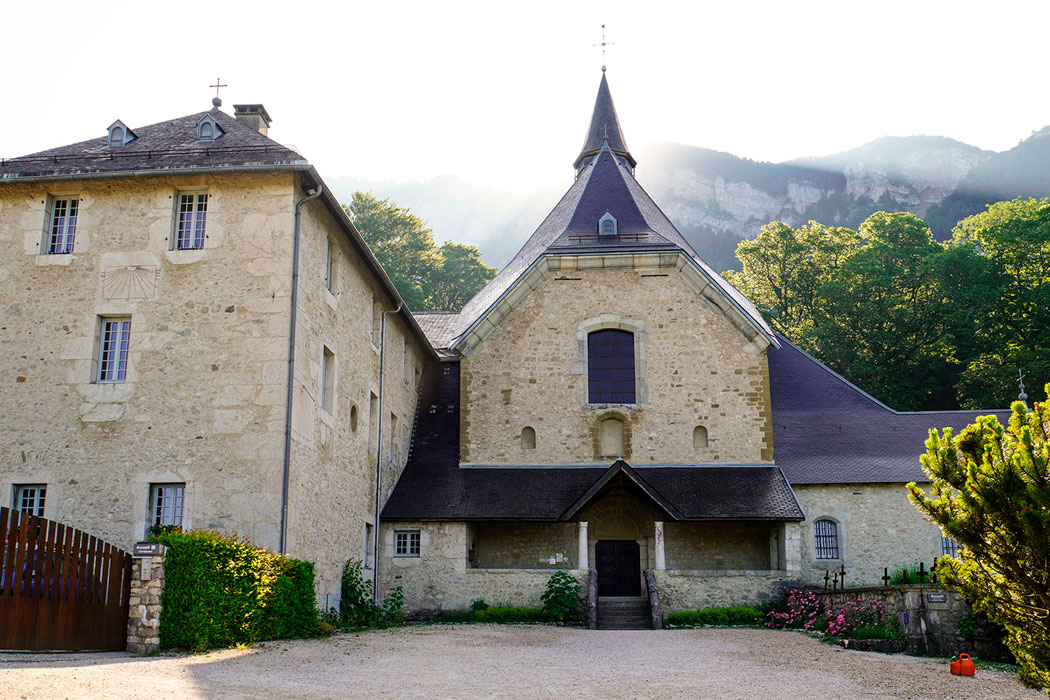


The present monastery of Chalais, situated in the Chartreuse massif, is now occupied by a community of Dominican nuns, but its origins are much earlier. The original monastery had the particular distinction of fostering the creation of the Order of Chalais, which developed and expanded from this place during the twelfth and thirteenth centuries. The site was later occupied by a charterhouse.
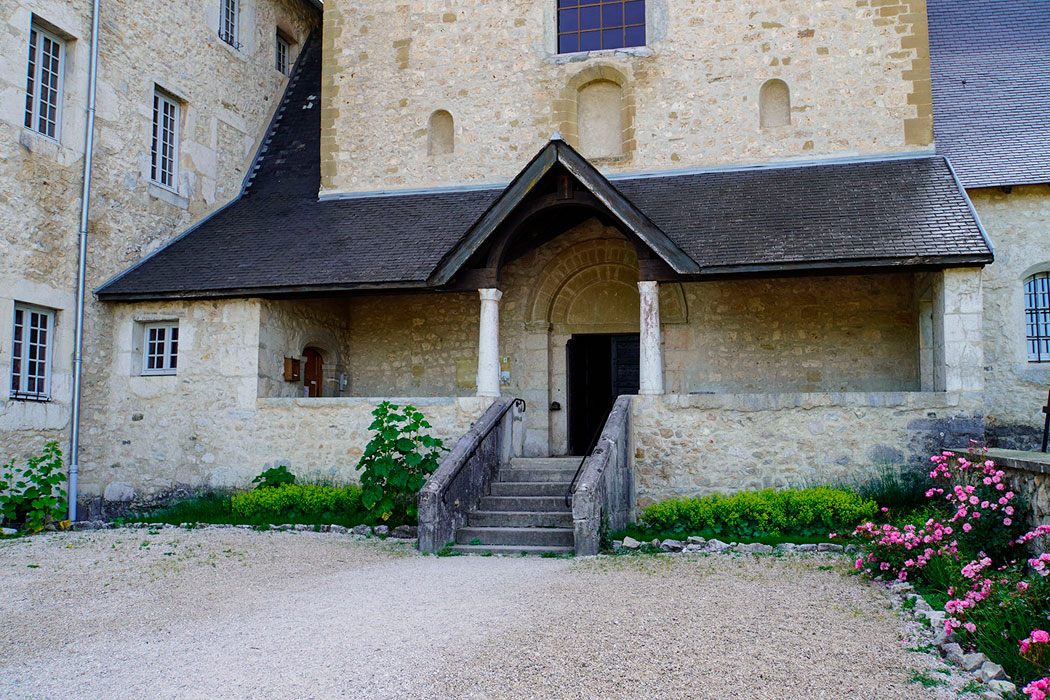
The monastery was established in 1101 in a secluded location within the Chartreuse massif. Its founder was Bishop Hugh of Grenoble (c. 1053–1132), who a few years earlier had facilitated the arrival of Saint Bruno (c. 1030–1101) in the Chartreuse, giving rise to the Carthusian Order, not far from here. In the case of Chalais, the arrival of a group of hermits who formed the first community was supported by Count Guigues III of Albon († 1133), who donated the lands intended for the foundation. The monastic settlement experienced notable growth during the twelfth and thirteenth centuries and, in 1124, was raised to the rank of abbey; its first abbot was Guigues of Ravel.
In terms of observance, Chalais gradually developed its own rule, set out in the carta caritatis, Benedictine in basis and very close to Cistercian practice. From here the foundation of other monasteries was promoted in the Dauphiné and in Provence, forming a distinct monastic current. Around 1140 the monastery of Boscodon (Hautes-Alpes) was incorporated, from which further foundations arose. By the beginning of the thirteenth century, the Order comprised nine abbeys in addition to the mother house, as well as several priories.
Its proximity to Grande Chartreuse probably limited its expansion. Nor did it succeed in establishing itself in territories where the Cistercians were already present, owing to the similarity of observance. An attempt was also made to affiliate the houses of Chalais to Cistercian Order through the abbey of Bonnevaux (Isère), but this initiative failed due to Carthusian opposition. Although in 1230 Chalais had forty monks, by the middle of the century the Order was already in decline. The monastery attempted to unite with Saint-Chef (Isère) and also with the priory of Saint-Didier de Voreppe, a dependency of Saint-Pierre de Vienne. In 1303 it was finally incorporated into the Carthusian Order.
The arrival of the Carthusians required the adaptation of the complex in accordance with their organisational requirements. It became an essentially agrarian house, particularly devoted to forestry for its subsistence. Although a modest charterhouse, its possessions became considerable. In 1562 it was attacked by the Huguenots and left in ruins. In the seventeenth century it was partially rebuilt, but it passed under the authority of the Grande Chartreuse and ceased to have its own prior. Suppressed during the Revolution, the site was sold in 1793.
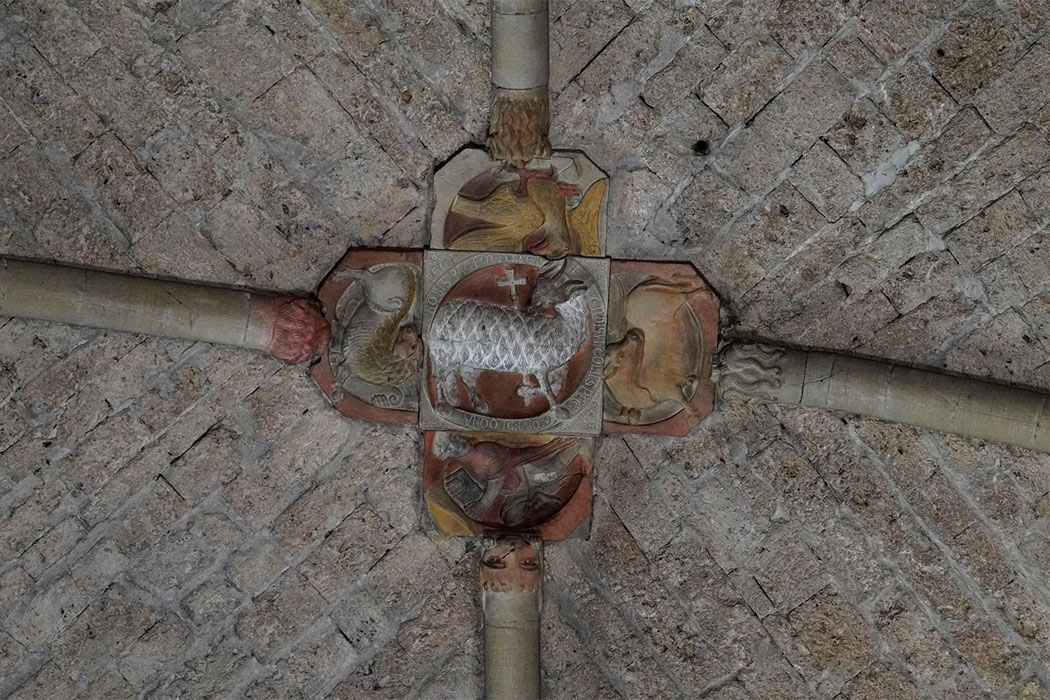
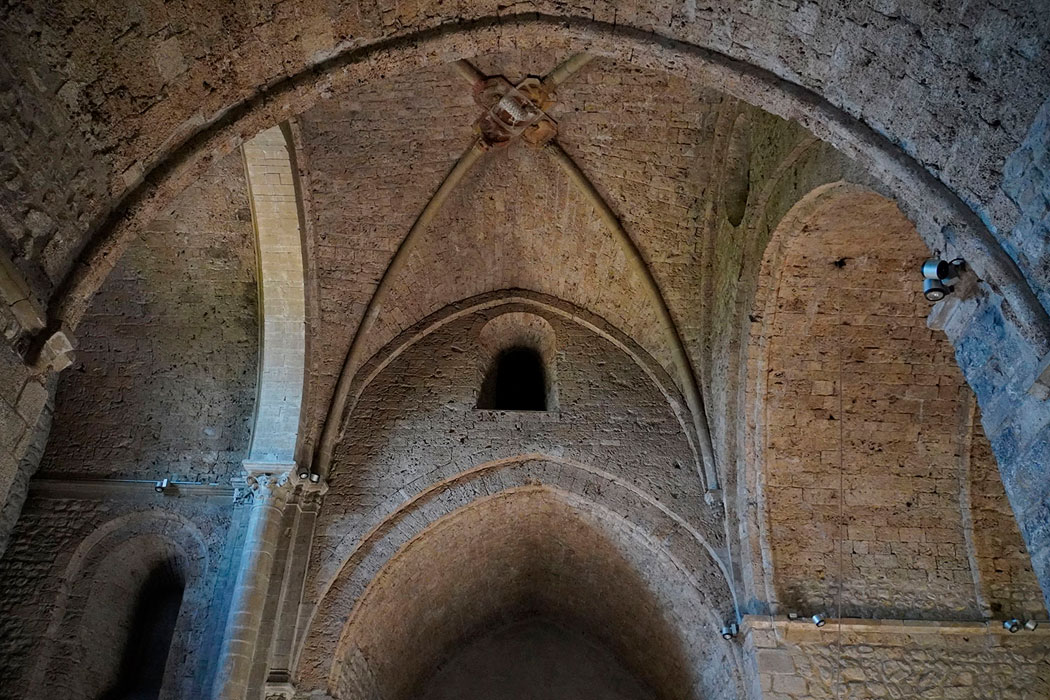
Keystone with the Lamb of God and the Four Evangelists
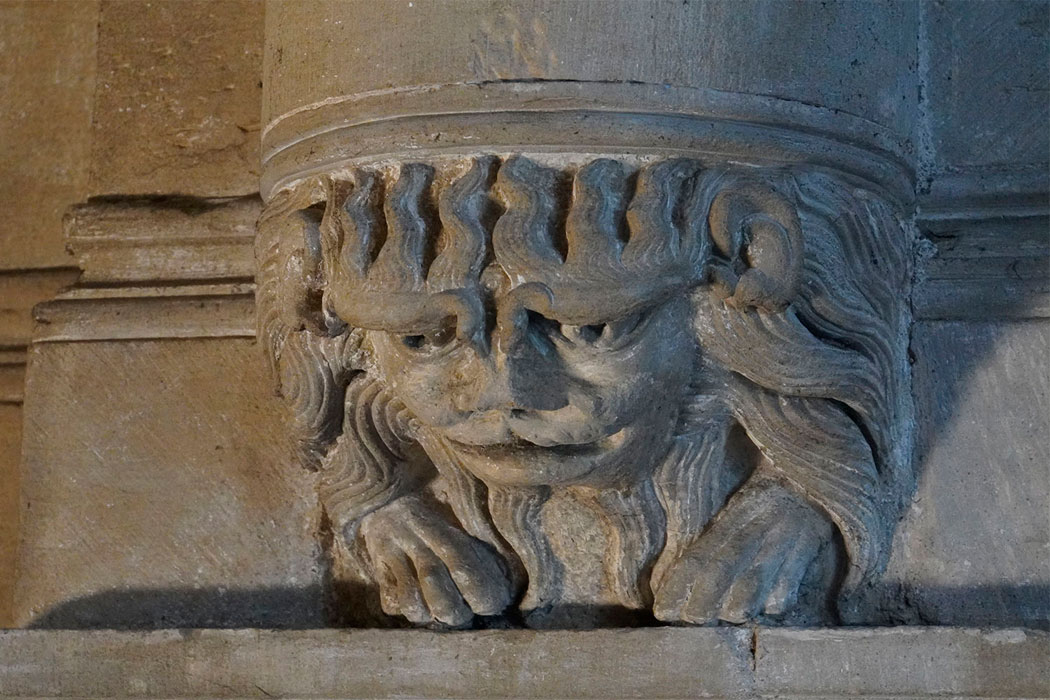
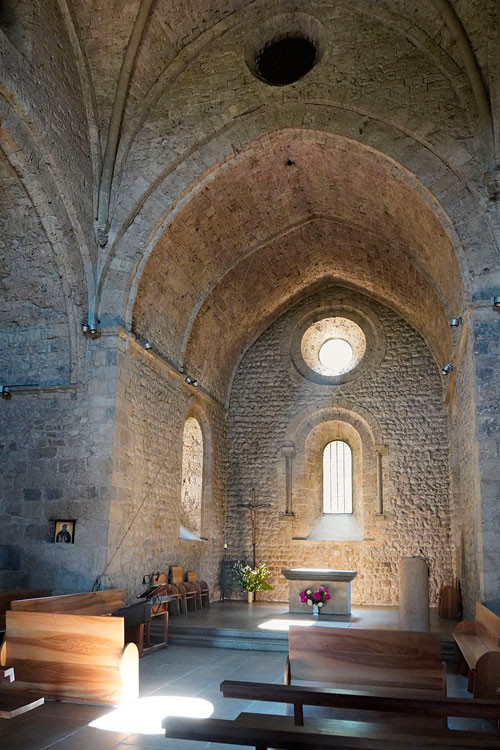
In 1844 the property passed to the Dominicans, who established a novitiate there. In 1881 it returned to private hands until, in 1963, a community of Dominican nuns arrived and still maintains the site. The sisters have gradually restored the buildings to make them habitable, given the harsh climatic conditions. The church, only partially preserved, is the most significant element of the monastery. Externally it reflects a reconstruction of the Carthusian period, but it retains its internal twelfth-century structure. Owing to the partial loss of the nave, it now has a Greek-cross plan.
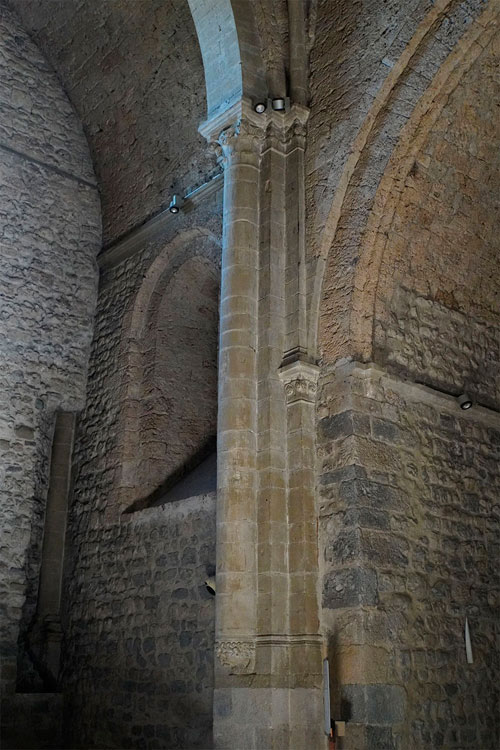
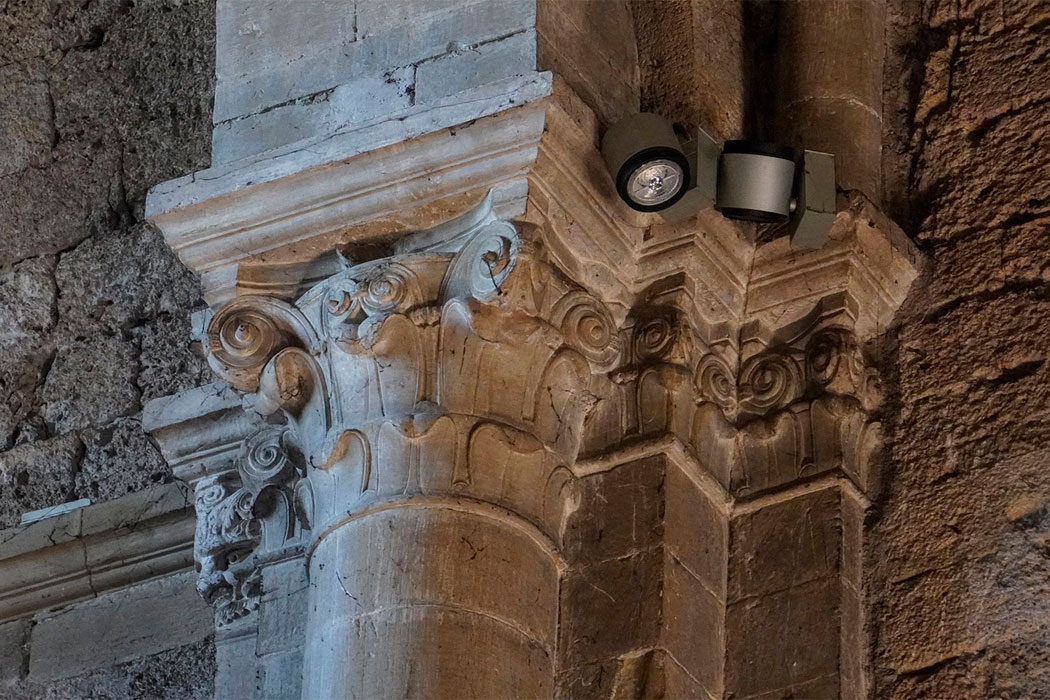
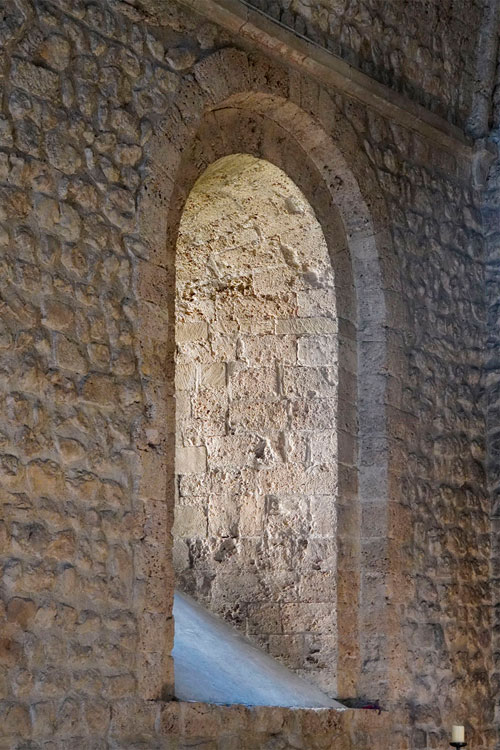
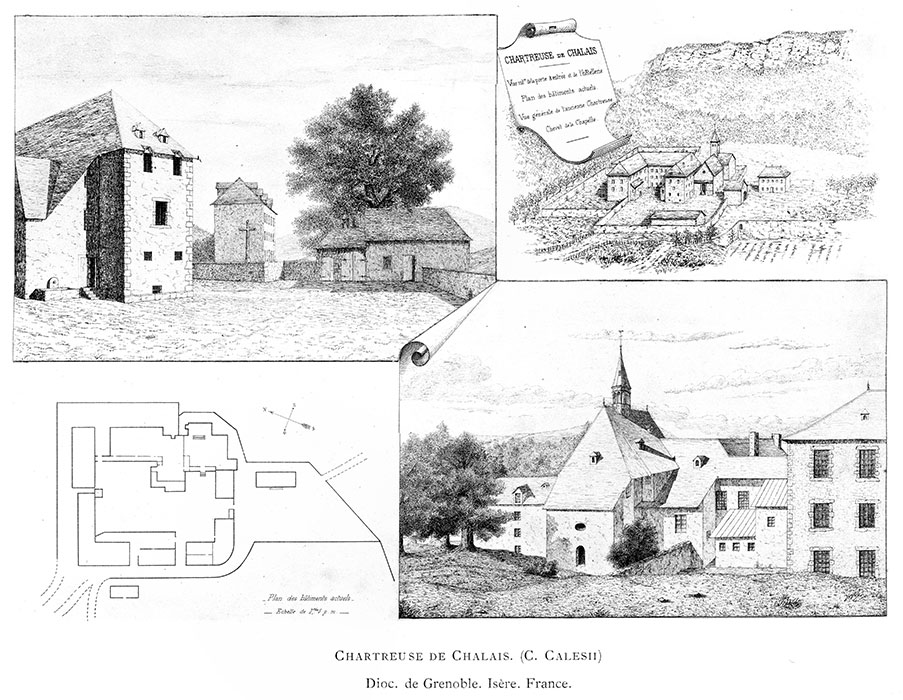
Illustration from Maisons de l'ordre des Chartreux (1913)
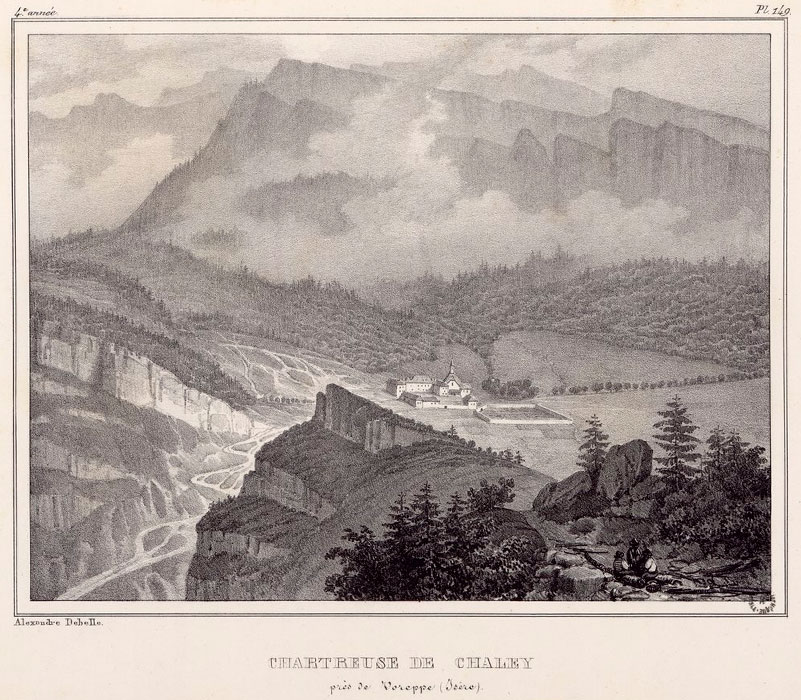
Illustration from Album du Dauphiné (1835)
Bibliothèque nationale de France
- BARRUOL, Guy (1992). Dauphiné roman. La Nuit des Temps, 77. Zodiaque
- BAUDRILLART, Alfred (1953). Dictionnaire d'histoire et de géographie ecclésiastiques. Vol. 12. París: Letouzey et Ané
- BESSE, J.-M.; i altres (1939). Abbayes et prieurés de l'ancienne France. Vol. 9: Province ecclésiastique de Vienne. Abbaye de Ligugé
- CARTOIXA DE NOTRE-DAME DES PRÉS (1913). Maisons de l'ordre des Chartreux. Vol. I. Chartreuse de Notre-Dame des Prés (Tournai)
- CASSIEN, Victor; i altres (1839). Album du Dauphiné, Recueil de dessins. Vol. 4. Grenoble: Prudhomme
- EXCOFFON, Sylvain (1997). Une abbaye en Dauphiné aux XIIe et XIIIe siècles: Chalais avant son rattachement à la Grande-Chartreuse. Revue Mabillon, núm. 8
- LANNAUD, Brice; i altres (2019). Chalais, de 1101 à aujourd’hui, neuf siècles de vie monastique à Voreppe. Voreppe: Corepha
- PELLICCIA, Guerrino; dir. i altres (1975). Dizionario degli istituti di perfezione. Vol. 2. Roma: Ed. Paoline
- PILOT DE THOREY, Emmanuel (1879). Cartulaire de l'abbaye bénédictine de Notre-Dame et Saint Jean-Baptiste de Chalais. Bulletin de la Société de statistique de l'Isère, vol. VIII. Grenoble
- PILOT DE THOREY, J.-J.-Antoine (1844). Notice sur l'ancien couvent de Chalais. Grenoble: Prudhomme
- ROMAN, J.-Ch. (1917). L’ordre dauphinois et provençal de Chalais. Bulletin de la Société d’études des Hautes-Alpes. Núm. 17
- SAINT-MAUR, Congregació de (1865). Gallia Christiana in provincias ecclesiasticas distributa. Vol. 16. París: Firmin Didot
- TERREL, Marc; i altres (1980). Abbayes soeurs de l’ordre de Chalais. Zodiaque
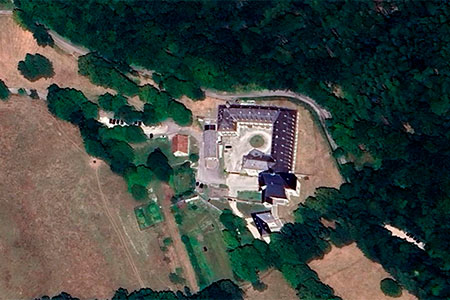
Chalais belongs to the commune of Voreppe, north of Grenoble, from where it is reached by a narrow mountain road